
Filters
- 69097-0027-50 (1)
- doctor-only (8)
- Glucagon (7)
- glucagon emergency kit cost (1)
- Glucagon Injection (6)
- Glucagon Kit (1)
- glucose (1)
- glycogenolysis (1)
- Glycogenolytic agent (1)
- Hypoglycemia (6)
- Hypoglycemia Treatment (6)
- Low Blood Sugar (5)
- Severe Hypoglycemia (7)
- Blood Sugar Reversal (1)
- diabetic low blood sugar (1)
- EMS hypoglycemia (1)
- glucagon kit (1)
- Glucagon Vial (1)
- Human Recombinant (3)
- prescription glucagon (1)
- rescue (1)
- treatment kit (1)
- Baqsimi (1)
- Nasal Powder (1)
- Nasal Spray (1)
- Severe Hypoglycemia Treatment (1)
- Allergy Emergency (1)
- Amphastar (1)
- Emergency Kit (2)
- Emergency Responders (1)
- Autoinjector (2)
- Glycogenolytic Agents (2)
- Gvoke (2)
- Very Low Blood Sugar (1)
- Glucagen (1)
- blood glucose (1)
- blood sugar rescue (1)
- Diabetes (1)
- diabetic emergency (1)
- Emergency Treatment (1)
- Glucagon Syringe (1)
- Insulin (1)
- life-saving (1)
- Low blood pressure (1)
- Treat Low Blood Pressure (1)
Glucagon Emergency Kit
Glucagon Emergency Kit
A Glucagon Emergency Kit is a prescription rescue kit containing glucagon, a hormone that raises blood sugar. It is used in severe hypoglycemia (very low blood sugar) in people with diabetes on insulin. In particular, it’s meant for situations when the person is unconscious, having a seizure, or otherwise unable to safely take sugar by mouth. In those cases (for example, “passed out or cannot take some form of sugar”), a caregiver injects glucagon to bring blood sugar back up.
-
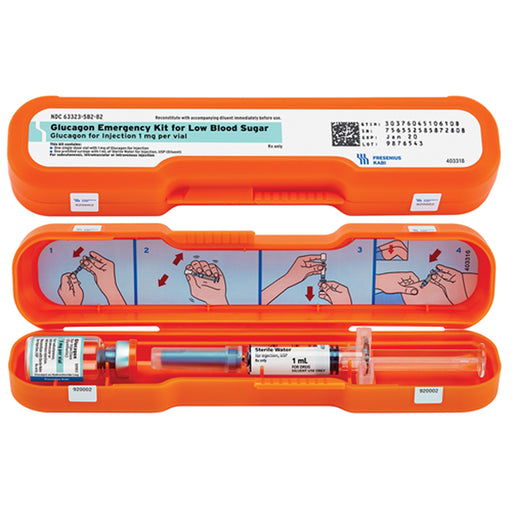
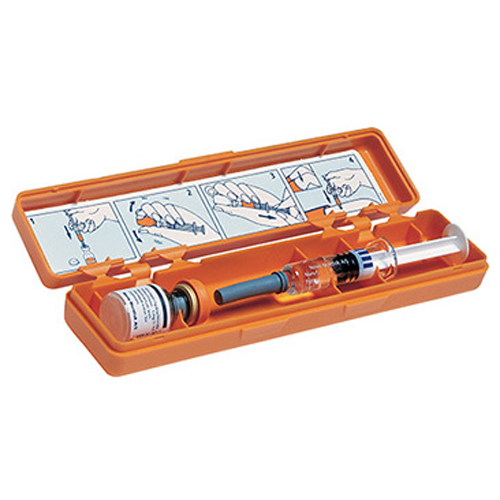
Contents: The kit typically includes a small vial of powdered glucagon and a pre-filled syringe with sterile water for mixing, all housed in a bright-colored (often orange) box with instructions. (One description notes the box is “red or orange” and includes the glucagon vial, diluting syringe, and instructions.) The glucagon in the vial is freeze-dried (powder) and is mixed with the water from the syringe at the time of use.
-
When to use: It’s strictly for severe low blood sugar emergencies. Key scenarios include: the person is not awake/alert, having a seizure, or cannot swallow. Official sources say glucagon injection is indicated “when [diabetes] patients…have passed out or cannot take some form of sugar by mouth”. In other words, if mild-to-moderate hypoglycemia occurs, one should normally give oral carbohydrates, but if the person is unresponsive or unable to eat/drink, the glucagon kit is used for rapid rescue.
-
How it works: Glucagon is the body’s own hormone for raising blood sugar. When injected, it signals the liver to convert stored glycogen into glucose and release it into the bloodstream. As one resource explains: “Glucagon triggers your liver to convert stored glucose (glycogen) into a usable form…then releases it into your bloodstream”, which quickly raises the patient’s blood sugar level. This counteracts the dangerously low sugar level of a severe hypoglycemic episode.
-
Administration: In an emergency, a trained bystander (family member, friend, teacher, coworker etc.) will use the kit. They first mix (reconstitute) the glucagon powder with the water from the syringe, then inject the solution intramuscularly (usually into the thigh or buttock) or subcutaneously. Importantly, this can be done outside a hospital; glucagon kits are designed for non-medical people to use safely. After injecting, the patient should be laid on their side if unconscious, because glucagon often causes nausea and vomiting. (Indeed, common side effects include vomiting.)
-
Aftercare: Once glucagon has been given, always call emergency services or follow the patient’s diabetes action plan. Glucagon will usually cause the person to regain consciousness in 10–15 minutes, but they still need medical follow-up. After waking, the person should eat some fast-acting carbohydrate (juice, candy) as soon as they can swallow, to keep sugar levels up. Also, make sure to replace or replenish the kit after use. (The kit’s instructions emphasize: after use, “call for emergency medical attention”).
-
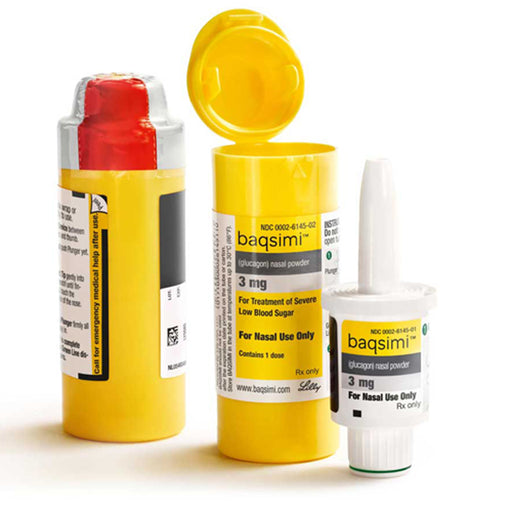
Important reminders: Always keep the kit unexpired, and ensure caretakers know where it is and how to use it. Modern glucagon safety guides advise having more than one kit (at home, at school/office) and educating family or coworkers about it. Note that there are newer glucagon rescue products now: for example, a nasal glucagon spray (brand name Baqsimi) and a pre-mixed injectable autoinjector (Gvoke) exist. However, the term “Glucagon Emergency Kit” usually refers to the traditional vial-and-syringe kit used for severe hypoglycemia in insulin-treated diabetes.
-
 Sale 30%
Original price $ 199.95Current price $ 139.00
Sale 30%
Original price $ 199.95Current price $ 139.00Glucagon Emergency Kit 1 ml (Glucagon Kit Injection) (Rx)
No reviewsGlucagon Emergency Kit 1 (Glucagon Kit Injection) A Glucagon Emergency Kit is a prescription emergency injection kit containing 1 mg of glucagon (l...
View full details🔒 Medical License Required -
 Sale 15%
Original price $ 429.95Current price $ 365.00
Sale 15%
Original price $ 429.95Current price $ 365.00Glucagon Kit, Glucagon Injection Emergency Kit For Hypoglycemia (Rx)
No reviewsImmediate Hypoglycemia Rescue for Diabetics – Fast, Reliable Emergency Blood Sugar Reversal Be ready for diabetic emergencies with the Glucagon Inj...
View full details🔒 Medical License Required -
 Sale 33%
Original price $ 599.95Current price $ 399.95
Sale 33%
Original price $ 599.95Current price $ 399.95Baqsimi Glucagon Nasal Powder Spray 3 mg (Rx)
No reviewsBaqsimi Glucagon Nasal Powder Spray 3mg is a first of its kind, ready-to-use treatment for very low blood sugar (severe hypoglycemia) in both child...
View full details🔒 Medical License Required -
 Sale 16%
Original price $ 592.00Current price $ 499.00
Sale 16%
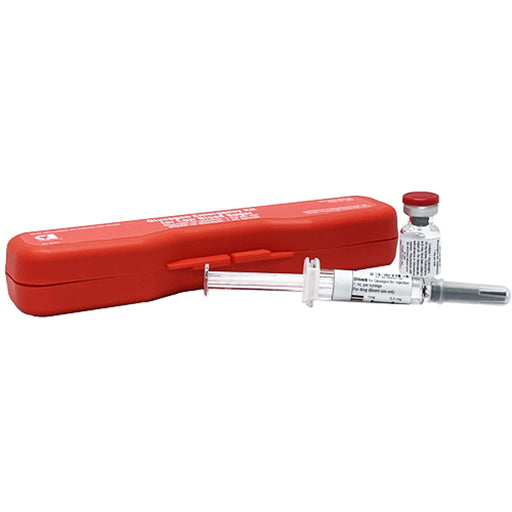
Original price $ 592.00Current price $ 499.00Glucagon Emergency Kit 1 mg/mL for Low Blood Sugar by Amphastar (Rx)
No reviewsThe Amphastar Glucagon Emergency Kit 1 mg/mL is used in emergency treatment of severe episodes of hypoglycemia. The Glucagon Emergency Kit is a pre...
View full details🔒 Medical License Required -
 Sale 24%
Original price $ 529.95Current price $ 405.00
Sale 24%
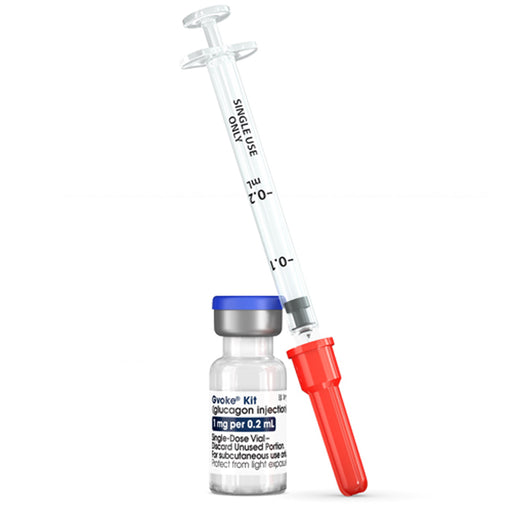
Original price $ 529.95Current price $ 405.00Gvoke Glucagon Injection 1 mg Per 0.2 mL Syringe with Vial
No reviewsGvoke Glucagon Injection 1 mg Per 0.2 mL Syringe with Vial is an emergency injectable medication for severe hypoglycemia (low blood sugar) in peopl...
View full details🔒 Medical License Required -
 Sale 20%
Original price $ 529.95Current price $ 425.00
Sale 20%
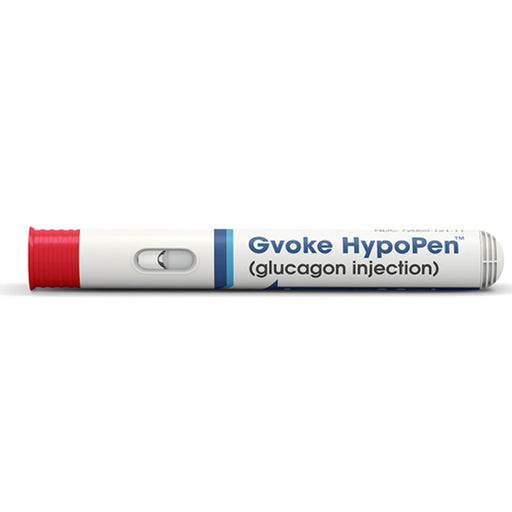
Original price $ 529.95Current price $ 425.00Gvoke HydoPen Glucagon Injection 1 mg Per 0.2 mL Autoinjector
No reviewsGvoke™ HydoPen Glucagon Injection 1 mg Per 0.2 mL is a portable, ready-to-use device used for the emergency treatment of severe hypoglycemia in ind...
View full details🔒 Medical License Required -
 Sale 17%
Original price $ 479.95Current price $ 399.95
Sale 17%
Original price $ 479.95Current price $ 399.95GlucaGen HypoKit (glucagon) for injection 1mg/mL
No reviewsGlucaGen® is a prescription medicine used to treat very low blood sugar (severe hypoglycemia) in people with diabetes and as a diagnostic aid durin...
View full details🔒 Medical License Required -
 Sale 24%
Original price $ 499.95Current price $ 379.00
Sale 24%
Original price $ 499.95Current price $ 379.00Glucagon Emergency Kit (Glucagon Kit ) 1 mL Syringe, Lupin Pharma (RX)
No reviewsA Glucagon Emergency Kit is a rescue injection kit containing the hormone glucagon used to treat severe hypoglycemia (dangerously low blood sugar),...
View full details🔒 Medical License Required


People Also Searched For
Glucagon Emergency Kit
A Glucagon Emergency Kit is a prescription rescue kit containing glucagon, a hormone that raises blood sugar. It is used in severe hypoglycemia (very low blood sugar) in people with diabetes on insulin. In particular, it’s meant for situations when the person is unconscious, having a seizure, or otherwise unable to safely take sugar by mouth. In those cases (for example, “passed out or cannot take some form of sugar”), a caregiver injects glucagon to bring blood sugar back up.
-
Contents: The kit typically includes a small vial of powdered glucagon and a pre-filled syringe with sterile water for mixing, all housed in a bright-colored (often orange) box with instructions. (One description notes the box is “red or orange” and includes the glucagon vial, diluting syringe, and instructions.) The glucagon in the vial is freeze-dried (powder) and is mixed with the water from the syringe at the time of use.
-
When to use: It’s strictly for severe low blood sugar emergencies. Key scenarios include: the person is not awake/alert, having a seizure, or cannot swallow. Official sources say glucagon injection is indicated “when [diabetes] patients…have passed out or cannot take some form of sugar by mouth”. In other words, if mild-to-moderate hypoglycemia occurs, one should normally give oral carbohydrates, but if the person is unresponsive or unable to eat/drink, the glucagon kit is used for rapid rescue.
-
How it works: Glucagon is the body’s own hormone for raising blood sugar. When injected, it signals the liver to convert stored glycogen into glucose and release it into the bloodstream. As one resource explains: “Glucagon triggers your liver to convert stored glucose (glycogen) into a usable form…then releases it into your bloodstream”, which quickly raises the patient’s blood sugar level. This counteracts the dangerously low sugar level of a severe hypoglycemic episode.
-
Administration: In an emergency, a trained bystander (family member, friend, teacher, coworker etc.) will use the kit. They first mix (reconstitute) the glucagon powder with the water from the syringe, then inject the solution intramuscularly (usually into the thigh or buttock) or subcutaneously. Importantly, this can be done outside a hospital; glucagon kits are designed for non-medical people to use safely. After injecting, the patient should be laid on their side if unconscious, because glucagon often causes nausea and vomiting. (Indeed, common side effects include vomiting.)
-
Aftercare: Once glucagon has been given, always call emergency services or follow the patient’s diabetes action plan. Glucagon will usually cause the person to regain consciousness in 10–15 minutes, but they still need medical follow-up. After waking, the person should eat some fast-acting carbohydrate (juice, candy) as soon as they can swallow, to keep sugar levels up. Also, make sure to replace or replenish the kit after use. (The kit’s instructions emphasize: after use, “call for emergency medical attention”).
-
Important reminders: Always keep the kit unexpired, and ensure caretakers know where it is and how to use it. Modern glucagon safety guides advise having more than one kit (at home, at school/office) and educating family or coworkers about it. Note that there are newer glucagon rescue products now: for example, a nasal glucagon spray (brand name Baqsimi) and a pre-mixed injectable autoinjector (Gvoke) exist. However, the term “Glucagon Emergency Kit” usually refers to the traditional vial-and-syringe kit used for severe hypoglycemia in insulin-treated diabetes.