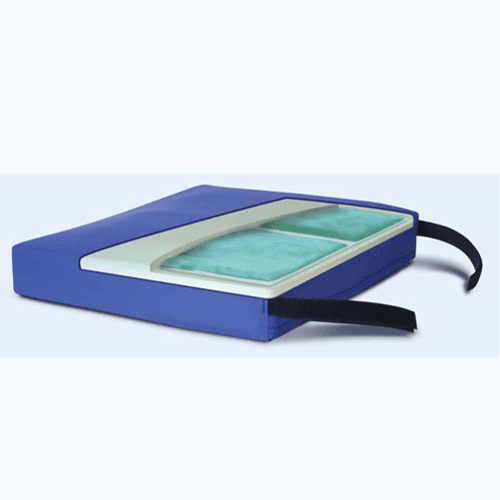
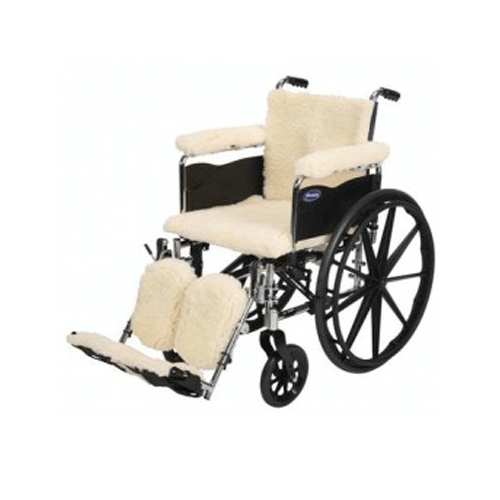
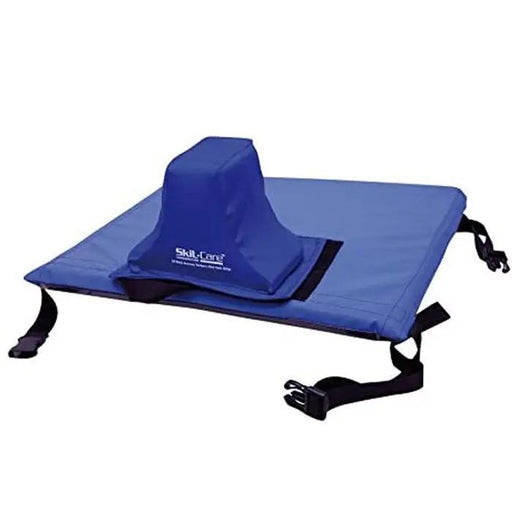
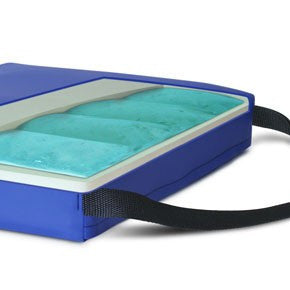
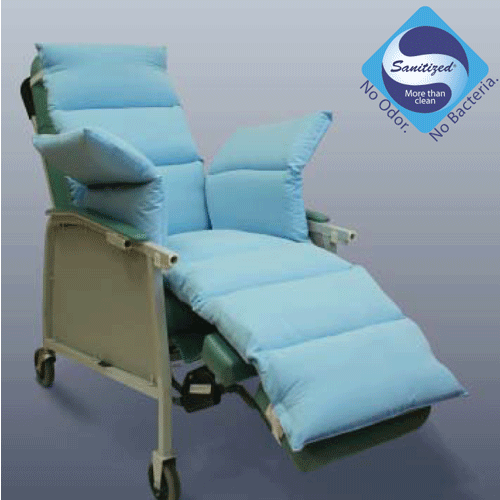
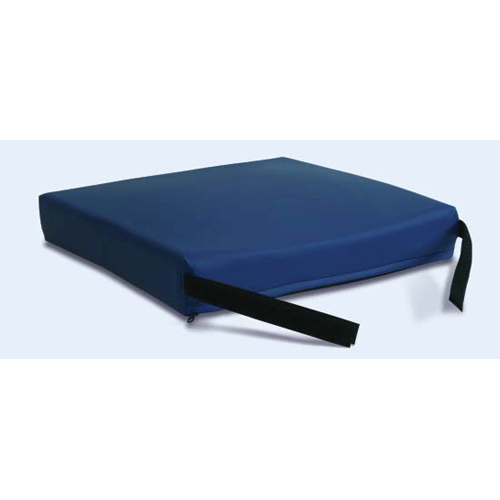
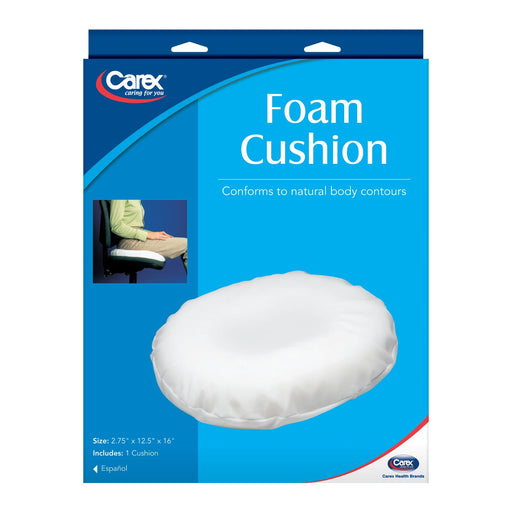
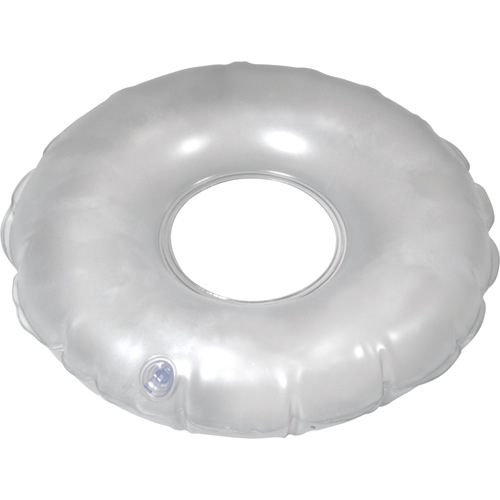
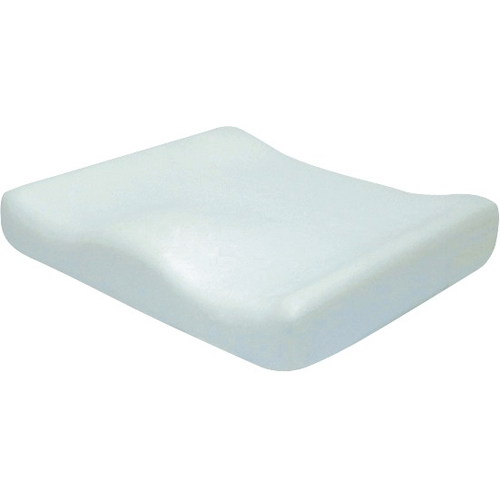
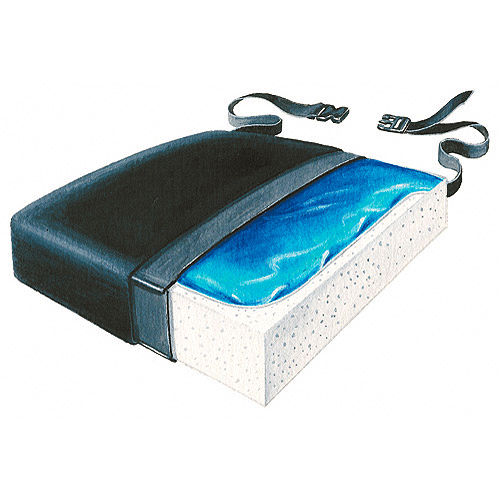
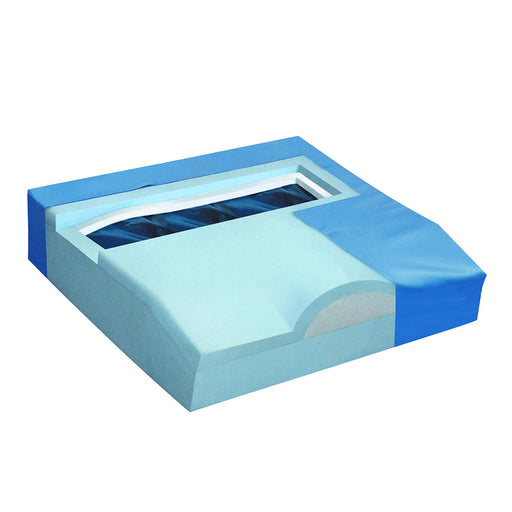
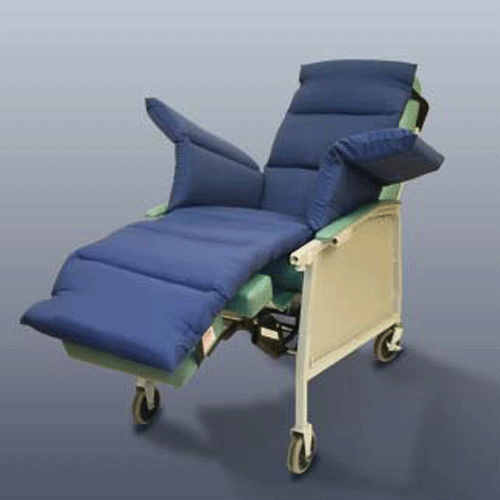
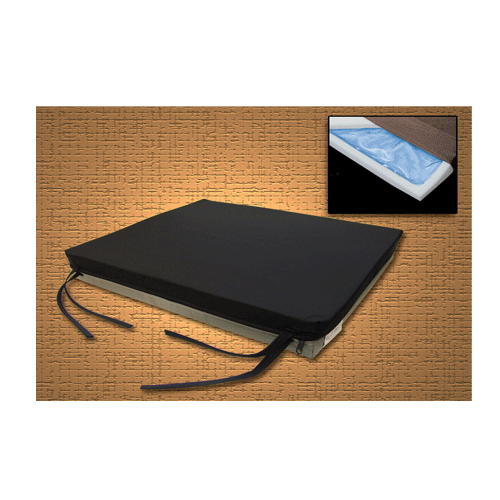
Find some of the top rated wheelchair cushions from the industries leading brands like Skil-Care, Roho and Mabis Duromed. Mountainside carries foam, gel-foam and air cushions that can accommodate various levels of pressure relief and support. We also have a full line of bariatric, wedged, contoured, pommel, anti-thrust and wheelchair cushions made with visco elastic foam (memory foam) that mold to your specific body shape for the best wheelchair positioning and support.
How to Choose the Proper Wheelchair Cushion
Foam, gel, and air wheelchair cushions are medical devices specifically designed to allow a person with limited or no mobility to be comfortable while providing pressure relief, proper sitting positioning, and posture control. More than 85 percent of all wheelchair users form some type of skin breakdown condition caused from pressure, friction, shear, unhealthy diet, or incontinence conditions. The level of mobility should be taken into consideration when choosing which wheelchair cushion is best. A person that sits in a wheelchair for 2 to 4 hours per day for household assistance, when traveling to and from work, or post-surgery, may only need a wheelchair cushion rated for light support and relief. However, a more advanced cushion would be necessary for a permit wheelchair user, handicapped individual, paraplegic, or an elderly senior that has medical conditions that require sitting for 5 to 12 hours per day. There are many options available to provide the optimal level of comfort, support, and pressure relief based on an individual’s needs. Wheelchair cushions have become more of a necessity in recent years and are highly recommended for long-term wheelchair use. Consider the durability and construction in order to maximize the investment.
Types of wheelchair cushions: Cushions are available in various sizes, shapes, and materials. Standard cushions are 16 x 18 x 2 inches and are generally made for light pressure relief. A basic cushion is constructed of foam, while more advanced cushions consist of a gel-foam combination or air chambers to provide superior comfort and relief. Custom sizes are optional and some cushions are tailored for specific benefits such as anti-thrust, lateral positioning, or coccyx relief.
Foam: Cushions made from foam can provide light to moderate pressure relief. The material can range from very basic and inexpensive foam to high-density foam, also known as Visco memory foam. The Visco foam is heat activated and molds to each individual shape for extra comfort. Foam wheelchair cushion are generally more economical than gel or air cushions.
Gel: Cushions are made with a water-based gel that provides moderate to severe pressure relief. Gel wheelchair cushions are made with a foam-gel combination to keep the gel in place and provide great support. Gel cushions are very comfortable because of the cooling effect it provides to prevent heat and friction from building up when sitting on a wheelchair cushion for extended periods of time.
Air: Cushions are specifically designed to provide severe pressure relief for those that have extreme pressure sores or are prone to developing some type of skin breakdown. Individual air pockets are made to disperse the air evenly throughout the cushion for effective pressure relief. Air wheelchair cushions provide a suspended level of support like an air mattress on a bed. Each air cushion contains a valve stream where air can be increased or decreased to adjust to the proper comfort level. Most come with a hand pump and rubber tubing repair kit to patch holes, if the cushion should ever get punctured. This type of cushion is often the most expensive.
Wedged: Cushions are made with a tapered wedge-shape. They provide sliding control and improved sitting posture. This style of cushion is commonly made with a firm foundation that eliminates pressure caused from slinged wheelchair seats.
Pommel: The pommel cushion has a foam guard in the center of the wheelchair cushion that fits between your legs to provide sliding support. It maintains pelvic neutrality by keeping your legs in abduction.
Bariatric: Over-sized and custom cushions are common and readily available. Many manufacturers make bariatric wheelchair cushions to accommodate larger widths and higher weight capacities. A standard wheelchair cushion measures 16” wide x 18” deep. A custom or bariatric cushion starts at 20” wide x 20” deep and can be made up to 30” x 30” to meet the user’s seating specifications and measurements. The weight capacity can support up to 650 pounds.
Choosing the Correct Wheelchair Cushion Cover
Covers: Wheelchair cushion covers are also a very important part when choosing the proper cushion for you. The cover is the closest component that touches your skin.
-
Low shear covers: This type of cover is the best option for optimal skin protection. The low shear cushion cover helps protect skin from friction and shear on the skin that can cause skin breakdown. It can be removed and laundered for hygiene purposes.
-
Vinyl covers: These cushion covers are specifically designed for people with incontinence problems. The vinyl-coated material repels urine from the cushion. It can also be removed or sprayed clean with disinfectants.
-
Nylon Covers: Tough, durable, launderable and water proof fabric.
-
Polyester: Stretch fabric, launderable cover.
-
Synthetic sheepskin: The low and high pile synthetic sheepskin. Nonallergenic polyester thats launderable. Designed to reduce pressure and improve air circulation.
-
Cozy cloth: Plush polyester cover that wicks away moisture. Soft to the touch and reduces friction and shear. Launderable.
Weight: Almost every wheelchair cushion is weight tested and made to support a standard weight capacity of at least 250 pounds. Bariatric cushions can support 500 to 650 pounds without bottoming out on the sling wheelchair seat.