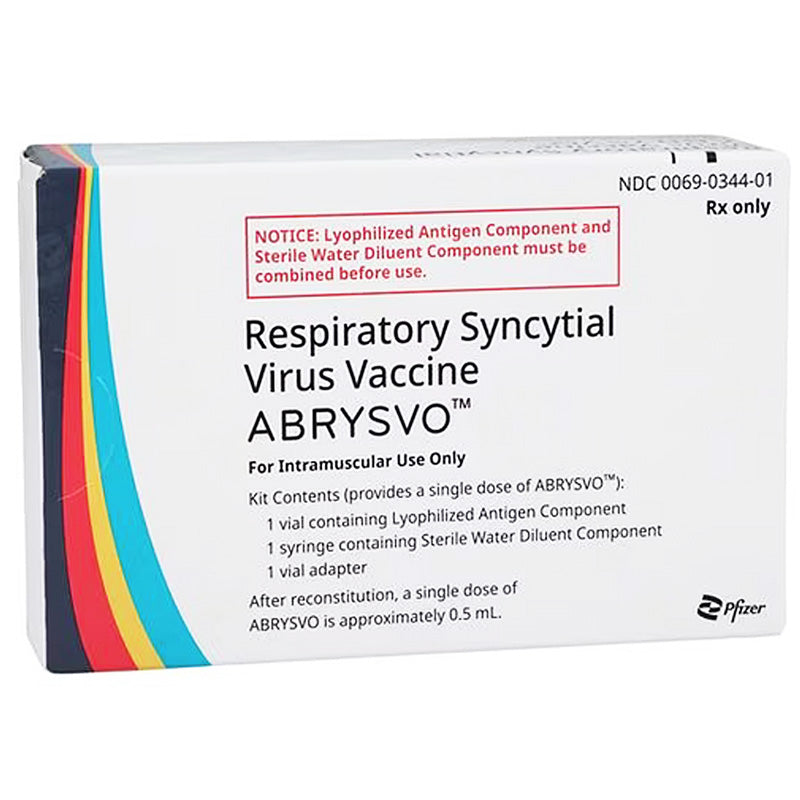
Abrysvo (RSV Vaccine) 0.5 mL Injection
Abrysvo is a vaccine made by Pfizer that protects against respiratory syncytial virus (RSV), a common respiratory virus that can cause serious lung infections (lower respiratory tract disease, like bronchitis or pneumonia) in infants and older adults. Abrysvo is a bivalent recombinant subunit vaccine – it contains laboratory-made versions of the RSV fusion (F) protein (from both RSV-A and RSV-B strains) in its “prefusion” stabilized form. When injected, these harmless viral proteins stimulate the immune system to produce antibodies, so the body can fight off RSV if exposed later. Abrysvo does not contain live virus, so it cannot cause RSV.
Who should get Abrysvo?
Abrysvo has three main indications:
-
Pregnant individuals (32–36 weeks gestation): If given between about 32–36 weeks of pregnancy, Abrysvo protects the newborn against RSV from birth up to 6 months of age. The maternal antibodies cross the placenta to protect the baby after birth. (It is the first RSV vaccine approved for use during pregnancy in the US.)
-
Adults 60 years and older: A single dose is approved to prevent serious RSV lung disease in seniors. Clinical trials showed Abrysvo reduced the risk of lower respiratory RSV infection in older adults by about 67%..
-
Adults 18–59 at high risk: Adults in this age range who have certain medical conditions (e.g. chronic heart or lung disease, diabetes, immunosuppression, etc.) are also recommended to receive one dose to prevent RSV lung infection.
(Official use may vary slightly by country’s guidelines. The FDA and EMA approvals match these groups.
Dosage and Administration: Abrysvo is given intramuscularly (IM) as a 0.5 mL injection (a single dose) in the upper arm (deltoid). Before injection, the vial is reconstituted (mixed) with a diluent to make the dose. No booster series is currently recommended – just one dose per pregnancy (if pregnant) or per RSV season for adults. For pregnant patients, the dose should be administered between 32 and 36 weeks of gestation (EMA says 24–36 weeks; FDA says 32–36). If an adult misses a season, the vaccine should still be given when possible; it is not given at the same time as yearly flu shots unless coadministration is studied.
Because Abrysvo is a protein vaccine, it must be handled like other injectables: use a new sterile syringe and needle, inject slowly into muscle, and observe standard vaccine precautions. After injection, monitor the patient for a short time for any immediate reactions.
Effectiveness: Studies have shown that Abrysvo provides strong protection: in seniors, it prevented about two-thirds of RSV lung disease cases; in pregnant women’s babies, it cut RSV illness by about half in the first 6 months of life. (Vaccine-induced antibodies to the RSV prefusion F protein are believed to neutralize the virus on contact.) Protection is expected to last throughout the RSV season (several months).
Common Side Effects: Most people tolerate Abrysvo well. The most frequent side effects (seen in more than 10% of recipients) are mild and short-lived:
-
Injection site reactions: pain, redness or swelling where the shot was given.
-
General symptoms: fatigue/tiredness, headache, muscle aches (myalgia), sometimes fever or chills. These usually begin within 1–2 days of vaccination and resolve in a few days.
-
In pregnant recipients: similar side effects – injection site pain, headache, muscle aches are most common.
Serious Risks: As with any vaccine, serious problems are rare. Key warnings include:
-
Allergy: Watch for any sign of a severe allergic reaction (hives, swelling of face/throat, difficulty breathing, dizziness). If this happens (typically within minutes of the shot), emergency treatment is needed. Anaphylaxis has been reported with many vaccines (though it’s very uncommon).
-
Guillain-Barré Syndrome (GBS): FDA requires a warning that a very small increased risk of GBS (an immune-mediated nerve problem causing weakness) has been observed within about 6 weeks after Abrysvo. The estimated excess is on the order of 7–9 extra GBS cases per million doses in older adults. The overall evidence suggests a possible association, but it’s still very rare. Patients should be instructed to seek care if they experience unusual weakness or tingling.
-
Immune-mediated conditions: There have been very few reports of immune reactions (like autoimmune neurologic events) in trials. Patients with a history of the same (e.g. history of GBS) should discuss with their doctor.
-
Other: Fever, nausea, or allergic-type symptoms can occur but are uncommon. No new safety signals emerged in trials; about 44,000 people across studies showed mostly mild-moderate reactions.
Precautions: Abrysvo should not be given to anyone with a known severe allergy to any component of the vaccine (the label suggests none of the excipients are common allergens). If a pregnant person has other routine vaccines due (e.g. Tdap), they can generally be given at separate sites or times (studies showed no interaction). Abrysvo is not a live vaccine, so it can be given safely during pregnancy (unlike some live vaccines). There is a pregnancy registry to monitor outcomes, but to date no safety issues (e.g. birth defects) were found.
Storage: Abrysvo comes in vials that are refrigerated. It should be kept cold until use (often 2–8°C). Once reconstituted, any leftover vaccine should be used promptly and any unused portion discarded (it is preservative-free).
Why get Abrysvo? RSV can cause severe illness in young infants (especially preemies) and in older or vulnerable adults. Before Abrysvo, no vaccine existed to prevent RSV. By vaccinating pregnant individuals and high-risk adults, we can reduce hospitalizations and severe disease from RSV. The vaccine does not cause RSV infection; instead, it primes the immune system against it. According to regulators, the benefits of reducing RSV illness outweigh the small risks of side effects.













![Prevnar 20 Pneumococcal 20-valent Conjugate Vaccine [Diphtheria CRM197 Protein] 0.5 mL](http://www.mountainside-medical.com/cdn/shop/files/Prevar-20-Pneumococcal-20-valent-Conjugate-Vaccine-Diphtheria-CRM197-Protein_512x512.jpg?v=1756384486)