Skip to content
Free US shipping over $100

Vaginal Speculums

Discover our premium selection of vaginal speculums, designed for gynecological exams, women’s health, and routine pap smears. Our medical-grade, disposable and reusable speculums ensure maximum hygiene and patient comfort. Ideal for OB-GYN clinics, hospitals, and at-home use, each speculum is manufactured for accuracy, safety, and ease of use. Elevate your women’s healthcare practice with our sterile, ergonomic vaginal speculums, supporting reliable cervical screenings and reproductive health diagnostics.

Vaginal Speculums: Essential Gynecological Exam Tool for Health, Comfort, and Precision

Discover the gold-standard in women's health with our premium Vaginal Speculums, designed for clinical efficiency and patient comfort. Perfect for routine gynecological exams, pap smears, and other women’s health screenings, our speculums feature the latest innovations for modern medicine. Whether you're a healthcare professional or looking to understand the tools used in your gynecologist’s office, this top-selling medical instrument delivers the highest standards for safety, hygiene, and effectiveness.
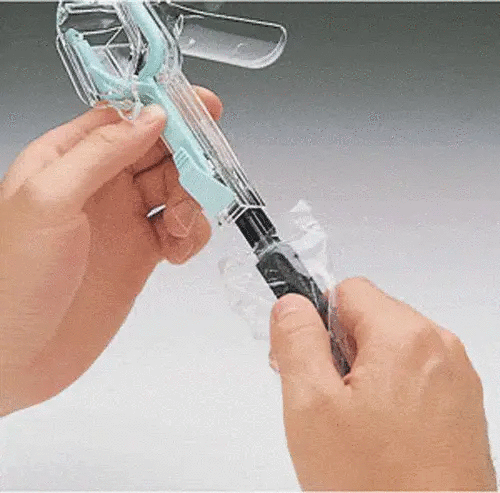
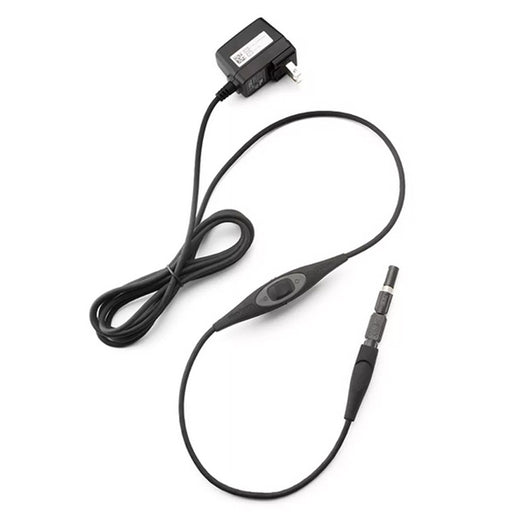
Choose our Vaginal Speculum for maximum patient comfort, safety, and exam accuracy. Backed by thousands of healthcare professionals worldwide and trusted in countless women’s health clinics, our product is the #1 choice for all your gynecological exam needs.

Order today to provide the best in women’s health care and ensure optimal exam experiences for all patients!

FAQs About Vaginal Speculums
  • What is a Vaginal Speculum?

    A vaginal speculum is a medical instrument used during pelvic exams to gently open the vaginal walls, allowing doctors to examine the vagina and cervix. This essential OB-GYN tool enhances diagnostic accuracy for cervical screening, STD testing, and early detection of reproductive health issues.

  • What Are the Two Types of Speculums?

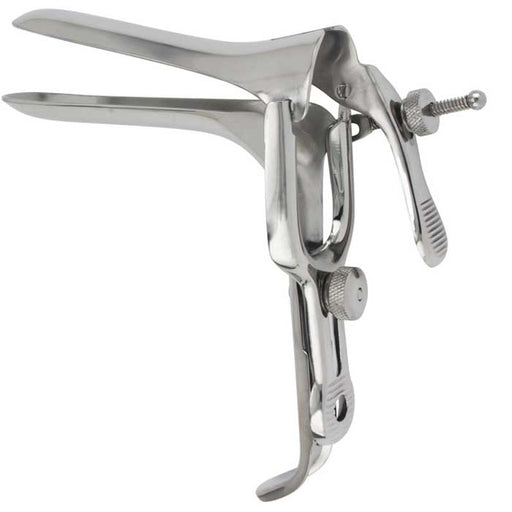
    Graves Speculum: The most common, featuring a wider blade suitable for general exams. Pederson Speculum: Has narrower blades, ideal for women with smaller vaginal canals, such as virgins or post-menopausal women.

  • Why do gynecologists still use speculums?

    Speculums remain the gold standard for safely visualizing the vaginal canal and cervix, essential for accurate pap smears, biopsy procedures, and diagnosing vaginal infections, cervical cancer, and uterine health conditions.

  • What do speculums look like?

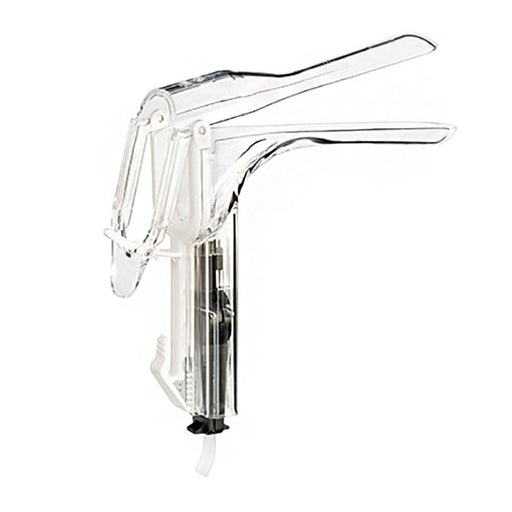
    Speculums are duck-bill shaped with two blades that gently separate the vaginal walls. They come in various sizes, are made of plastic (disposable) or stainless steel, and are ergonomically designed for patient comfort.

  • Do gynecologists reuse speculums?

    Disposable speculums are single-use for infection control, while stainless steel speculums are thoroughly sterilized between patients to ensure the highest hygiene standards.

  • What kind of speculum is used for the virgin woman?

    Pederson speculums or pediatric-sized speculums are typically used for women who are virgins, as they have narrower blades and are more comfortable.

  • Do gynecologists use speculums?

    Absolutely—speculums are essential in almost all gynecological exams to ensure proper visualization and accurate cervical assessment.

  • How big do speculums open?

    Speculums typically open between 2-4 centimeters, adjustable by the provider to match patient comfort and examination needs.

  • Is there an alternative to a speculum?

    Newer less-invasive approaches are under development, such as vaginal swabs and imaging devices, but speculums are still the most reliable and widely used tool for comprehensive exams.

  • Do speculums break the hymen?

    A speculum may stretch or tear the hymen, but pediatric or virgin speculums are designed to minimize discomfort and trauma to the tissue.

  • How deep is the cervix?

    The distance from the vaginal opening to the cervix typically ranges from 7-10 centimeters (2.75-4 inches), varying by individual anatomy and life stage.