Hylenex Injection
Price is for 1 vial.
Hylenex is the brand name for a recombinant human hyaluronidase enzyme given by injection. Hyaluronidase is sometimes nicknamed a “spreading factor” because it helps make tissues more permeable, allowing fluids or medications injected under the skin to spread and be absorbed more easily. Normally, our connective tissue contains a gel-like substance called hyaluronic acid that helps hold cells and fluids in place. Hylenex works by temporarily breaking down hyaluronic acid, which in turn loosens the spaces between cells. This effect creates a window of time during which injected fluids or drugs can disperse rapidly through the tissue. After a short period (within 24–48 hours), the body naturally rebuilds the hyaluronic acid and tissue permeability returns to normal. Hylenex itself doesn’t treat a disease directly; instead, it’s used as a supportive agent to enhance the delivery and absorption of other therapies. It’s a clear, colorless solution and is a form of hyaluronidase that’s produced via genetic engineering (meaning it’s a human enzyme made in a lab). This recombinant form tends to be less likely to cause allergic reactions compared to older forms of hyaluronidase that were extracted from animal sources.
Hylenex Injection (Hyaluronidase Human Recombinant) is a breakthrough prescription medication designed to increase the absorption and dispersion of subcutaneously administered drugs and fluids. Indicated for adults and pediatric patients, Hylenex® by Halozyme Therapeutics is the preferred enzyme facilitator for a wide range of medical scenarios including subcutaneous fluid administration (hypodermoclysis), drug infiltration, and subcutaneous rehydration. Boost therapeutic efficacy, speed up absorption, and maximize patient outcomes with this FDA-approved, recombinant human protein.
Recombinant human hyaluronidase is made by inserting the gene that encodes for human hyaluronidase into cultured cells, which then produce the enzyme. This recombinant form is highly purified and reduces the risk of allergic reactions compared to animal-derived forms.
Hyaluronidase human recombinant is commonly used in medicine to increase the absorption and dispersion of other injected drugs, fluids, or contrast agents, such as in subcutaneous fluid therapy, ophthalmic surgery, or to accelerate the absorption of certain medicines. It can also be used to improve the delivery of subcutaneous infusions or to manage complications associated with misplaced fillers (such as hyaluronic acid dermal fillers in cosmetic procedures).
Mechanism of action: The enzyme works by temporarily breaking down hyaluronic acid in the tissue’s extracellular matrix, making tissues more permeable and less viscous. This enhanced tissue permeability allows injected substances to spread more easily through the subcutaneous space.
How Hylenex Injection Works
Hylenex functions as a tissue permeability modifier by breaking down hyaluronic acid, a natural, gel-like substance found in the body's tissues. By temporarily degrading this component, Hylenex increases tissue permeability, allowing other injected substances to spread and be absorbed more efficiently.
Indications & Therapeutic Uses
- Increase absorption/dispersion of SC and IM drugs
- Adjunct to SC or IM fluid administration (hypodermoclysis)
- Subcutaneous insulin infusion enhancement
- Treatment of drug or fluid extravasation/infiltration
- Improvement of local anesthetic effect for minor procedures
- Facilitation of contrast media absorption in radiology/CT
Hylenex vs Vitrase: Key Differences
-
Hylenex – Recombinant (non-animal), lower allergy risk, consistent supply, versatile use, and hospital pharmacy preference.
-
Vitrase – Animal-derived (ovine/human), higher risk of allergic reaction, may have slightly different cost and supply chain issues.
-
Clinical Outcome: Studies show Hylenex and Vitrase have similar efficacy, but Hylenex is often favored for safety and cost-effectiveness.

Hylenex injection is essentially a facilitating agent: it’s a recombinant form of the enzyme hyaluronidase that medical professionals use to speed up the absorption and dispersion of injected fluids or medications. By temporarily breaking down the natural gel-like barrier in our tissue (hyaluronic acid), Hylenex lets subcutaneous injections behave more like IV injections in terms of uptake. It’s used for purposes like subcutaneous hydration (to treat dehydration when IV lines aren’t feasible), enhancing the effectiveness of other injected drugs (for example, making a local anesthetic spread more evenly or helping an injected antibiotic reach a broader area), and even in certain imaging techniques to improve contrast distribution. Additionally, although off-label, it’s popularly known in dermatology for its ability to dissolve hyaluronic acid fillers if needed. Hylenex is administered by injection, usually in a hospital or clinic setting, and it acts as a sort of “assistant” to other therapies rather than a stand-alone treatment. Most people do not experience significant side effects from Hylenex; the enzyme does its job and is cleared fairly quickly. However, as with any injectable protein, there’s a small risk of allergic reaction, and it should be used with proper medical guidance and technique. In summary, Hylenex helps medications and fluids work better by making your tissues more permeable – a useful tool in the hands of healthcare providers for improving the speed and reach of treatments given under the skin.
Uses & Applications of Hylenex Recombinant Hyaluronidase
Hylenex is indicated for:
- Enhancement of Subcutaneous Fluid Absorption: Rapid rehydration in cases of dehydration, pediatric emergencies, SC hydration, and when IV access is challenging.
- Improvement of Drug Dispersion: Increases absorption and efficacy of co-administered subcutaneous or intramuscular (IM) drugs including insulin, vaccines, pain medications, and contrast agents.
- Subcutaneous Urography: Enhances the quality of contrast agent images.
- Extravasation Management: Aids in the dispersal of extravasated drugs such as vinca alkaloids, parenteral nutrition, etc.
Clinical Uses:
- Drug Delivery Optimization: Hylenex hyaluronidase increases absorption rates and bioavailability of co-administered drugs, making it essential for oncology, endocrinology, pain management, and immunotherapy
- Emergency Medicine: Facilitates subcutaneous fluid replacement in patients with dehydration, burns, or allergic reactions—crucial in pediatric and geriatric care
- Extravasation Management: Helps disperse infiltrated IV solutions, reducing tissue damage and promoting rapid recovery
- Best Solution for Hypodermoclysis: Preferred by nephrologists and geriatricians for safe, effective subcutaneous hydration
- Compatible with Most Intravenous Drugs: Widely used by pharmacy, nursing, and emergency professionals
Usage Directions:
For subcutaneous administration only. Dosage and frequency should be determined by healthcare professionals based on clinical indication, age, and patient condition. Each vial is single use; discard any unused portion.
Dosage & Administration
For Enhancement of Subcutaneous Fluid and Medication Absorption:
- Adults and Pediatrics:
- Typical Dose: 150 Units injected prior to or concurrently with the subcutaneous injection of fluids or drugs.
- May inject directly into the site prior to medication administration or added to the injection solution for compatibility.
- Hypodermoclysis (Subcutaneous Rehydration):
- 150 Units are injected into the site(s) before starting the infusion of fluids.
- Repeat Doses: As directed by a healthcare provider.
- Always use aseptic technique while administering.
- Administration: Subcutaneous route ONLY. Do not inject intravenously or intramuscularly.
DO NOT self-administer. Only medical professionals should prepare and inject Hylenex.
Hylenex is used in medical practice as an adjuvant – something given in addition to other fluids or medications to improve their effectiveness. Here are the primary uses of Hylenex:
- Subcutaneous Fluid Rehydration (Hypodermoclysis): In cases of dehydration or when intravenous (IV) access is difficult, Hylenex can be injected along with fluids under the skin to facilitate quick absorption into the bloodstream. By mixing a small dose of Hylenex with a subcutaneous saline or glucose solution, healthcare providers can create a kind of “under-the-skin IV.” The hyaluronidase ensures the fluid is rapidly taken up by the body, helping to rehydrate a patient. This technique is especially useful in pediatrics or in elderly patients where IV lines may be hard to establish. Hylenex basically allows the subcutaneous tissue to accept larger volumes of fluid and absorb them at a rate closer to a normal IV drip.
- Dispersion of Other Injected Drugs: Hylenex is often used to enhance the dispersion and absorption of injected medications. For example, if a medication is given subcutaneously or intramuscularly and we want it to act faster or spread more uniformly, Hylenex can be given at the injection site. A practical scenario is with certain local anesthetics: surgeons or dentists may administer a small amount of hyaluronidase with an anesthetic to help it spread through tissue (this can make a nerve block work faster or cover a larger area). In ophthalmic surgery, for instance, hyaluronidase is sometimes mixed with local anesthetics for eye blocks so the numbness sets in quickly and uniformly. Another scenario is in treating extravasation injuries – if an IV infusion inadvertently leaks fluid or medication into the surrounding tissue, a provider might inject hyaluronidase in that area to help the body reabsorb the leaked fluid/drug more quickly, reducing swelling and damage. In short, any situation where a drug or fluid needs to penetrate a wider area or be absorbed faster could potentially benefit from Hylenex as an adjunct.
- Diagnostic Imaging (Subcutaneous Urography): Hylenex is also used in certain imaging procedures – an older but notable use is in subcutaneous urography, where radiopaque contrast dye is injected under the skin for an X-ray of the urinary tract. Hylenex is added to help the contrast distribute and absorb better, resulting in clearer images. More generally, if a radiologist injects a contrast agent just under the skin (rather than directly into a vein), hyaluronidase can ensure that the contrast quickly enters the bloodstream or spreads to the target area. This use is less common today (since most imaging uses IV contrast), but it underscores Hylenex’s role in improving the efficiency of injections.
- Off-Label Use – Filler Dissolver: Outside of traditional medical settings, hyaluronidase injections like Hylenex have an off-label use in cosmetic dermatology. Specifically, they are used to dissolve hyaluronic acid dermal fillers. If someone has received hyaluronic-acid based fillers (for example, in the lips or face) and they are overfilled or uneven, a doctor can inject hyaluronidase (often using Hylenex or a similar product) to break down the filler and correct the issue. This works because the filler’s main ingredient is hyaluronic acid – the same substance Hylenex is designed to break apart. Within hours to days after treating with hyaluronidase, the unwanted filler is degraded and absorbed by the body. It’s important to note this is an off-label use (not an FDA-approved indication for Hylenex), but it’s a well-known practice in the field of aesthetic medicine.
Directions for Use
1. Preparation
- Check the vial for any particulate matter or discoloration. Solution should be clear and colorless.
- Aseptic technique: Use sterile syringes and needles. Wipe vial top with alcohol swab.
2. Drawing Up the Medication
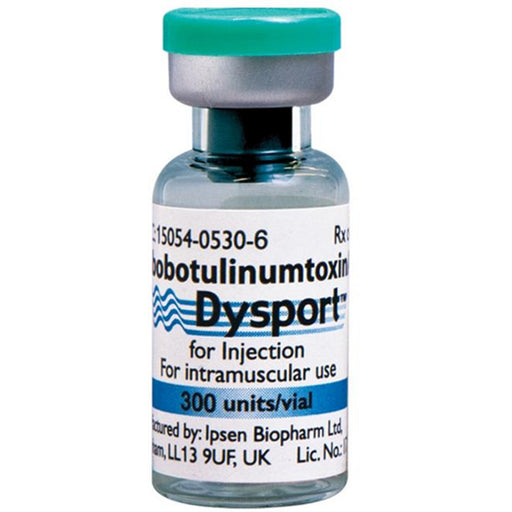
- Hylenex recombinant is provided as 150 units/mL in a single-use vial.
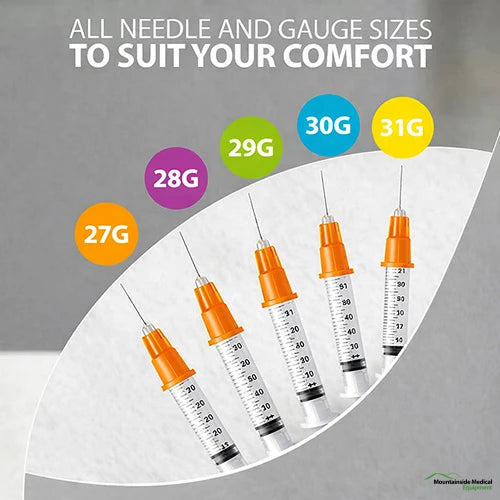
- Using a new sterile needle and syringe, draw up the required dose (as prescribed by the doctor).
- The typical recommended dose for subcutaneous fluid administration is 150 units (entire vial) injected prior to fluids.
3. Administration
- Route: Subcutaneous injection.
- Injection site: Commonly the upper arm, abdomen, or anterior thigh.
- Method:
- Inject Hylenex directly into the chosen site.
- After injection, subcutaneous infusion or drug administration may be started at the same site.
- If facilitating subcutaneous hydration, slowly infuse the prescribed isotonic fluid (e.g., normal saline, dextrose) into the tissue at the same site.
- Rotate sites if repeated administration is needed.
Example (for facilitating subcutaneous fluids):
- 1 mL (150 units) injected subcutaneously, then administer fluid at up to 300 mL/hour per infusion site in adults or weight-appropriate bolus/rate in children (as directed).
4. After Use
- Safely dispose of the vial, used needles, and syringes in an appropriate sharps container.
- Observe injection site for possible reactions (redness, swelling, infection).
Important Points
- Do not inject IV—Hylenex is for subcutaneous use only.
- Do not use if the solution is discolored or contains particles.
- Contraindications: Known hypersensitivity to hyaluronidase or any ingredients.
- Side effects: Allergic reaction, local irritation, swelling.

The enzyme works by temporarily breaking down hyaluronic acid in the tissue’s extracellular matrix, making tissues more permeable and less viscous. This enhanced tissue permeability allows injected substances to spread more easily through the subcutaneous space.
How Hylenex Is Administered
Hylenex is given by injection, typically just under the skin (subcutaneous injection). It is usually administered by a healthcare professional in a clinical setting. Depending on the purpose, it might be injected:
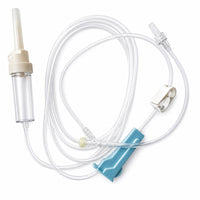
- Mixed into IV Fluids: For rehydration via hypodermoclysis, a typical method is to inject a small dose (around 150 units, which is 1 mL of Hylenex) into the site under the skin, then infuse the fluids into that same area. The hyaluronidase spreads in the tissue and allows the subsequent fluid to be absorbed quickly. In some cases, the Hylenex can be added directly into the bag of fluids or injected immediately before the fluid at the site of infusion – following specific guidelines from the manufacturer about compatibility.
- Before or with Drug Injections: If used to help an injected drug disperse, Hylenex might be given immediately prior to the drug or mixed in the same syringe, depending on the situation and compatibility. For instance, in an extravasation scenario, multiple small injections of hyaluronidase are made around the area of leakage to help the fluid dissipate. In a local anesthetic scenario, the anesthetic solution may already contain a certain amount of hyaluronidase prepared by the pharmacy, or the clinician may inject Hylenex right after the anesthetic. Timing isn’t usually critical to the minute – as long as the hyaluronidase is present in the tissue at about the same time, it will do its job of opening the tissue matrix for a short while.
- Technique: When injecting Hylenex, the needle is inserted under the skin (similar to a typical subcutaneous injection). The area is often the same area where the fluid or drug will be infused. It’s important that the injection is not made into a blood vessel; Hylenex is intended for subcutaneous tissue. After injection, gentle massage of the area is sometimes done to help distribute the enzyme. In the case of continuous subcutaneous infusion (like hydrating a patient), the IV line or catheter is left in place under the skin after giving Hylenex, and then fluid is steadily infused. The healthcare provider will monitor the infusion site to ensure the fluid is being absorbed and not just pooling excessively (some slight puffiness at the site is normal initially, but it should go down as the fluid absorbs).
It’s worth noting that Hylenex starts working almost immediately to break down hyaluronic acid, and its tissue permeation effect lasts for about 24-48 hours after which the normal tissue barrier function is restored as the hyaluronic acid matrix reforms. So if ongoing treatment is needed (say, multiple days of subcutaneous fluid infusions), doses of Hylenex might be repeated as needed per medical guidance.
 Skip to content