Skip to content
New users? Get 5% off on your first purchase.
Free US shipping over $100
New users? Get 5% off on your first purchase.
Free US shipping over $100

Added to your cart:

Cart subtotal

Filters

Availability
Vendor
Collection
Tags

IV Flush Syringes

IV Flush Syringes

Best-Selling, Nurse-Trusted IV Flush Syringes for Safe, Sterile Catheter Maintenance & Infection-Free IV Care

IV flush syringes are industry-standard, FDA-approved, prefilled or sterile empty devices for safe, efficient flushing and maintenance of IV saline locks, central lines, ports, and catheters in hospitals, clinics, ERs, long-term care, and at-home infusion therapy. Designed to prevent clotting, occlusion, medication residue, and infection, these single-use, latex-free syringes ensure effective IV therapy, medication delivery, and fluid management in adults, pediatrics, and neonates.

Purpose

  • Catheter Patency & Clot Prevention: Keeps IV lines open, preventing blockages and ensuring accurate medication/fluid administration.
  • Reduce Risk of Infection: Single-use, sterile syringes minimize the chance of contamination or hospital-acquired bloodstream infection.
  • Enhance Workflow & Compliance: Prefilled syringes streamline nursing workflow, eliminate compounding errors, and support effortless, barcoded bedside scanning for medication safety.

Uses

  • Flushing Peripheral IV Catheters: Saline flush before/after IV medications.
  • Central Line & PICC Line Maintenance: Standard of care for port patency, infection prevention, and medication delivery.
  • Heparin Flushes: For certain central lines requiring anticoagulant maintenance (as ordered).
  • Arterial Line & Hemodialysis Catheter Flushing
  • Blood Draw & Specimen Collection Preparation: Ensures clear lines before/after samples.
  • Hospital, Clinic, EMS, Home Infusion Protocols

Types & Popular Brands

Types:

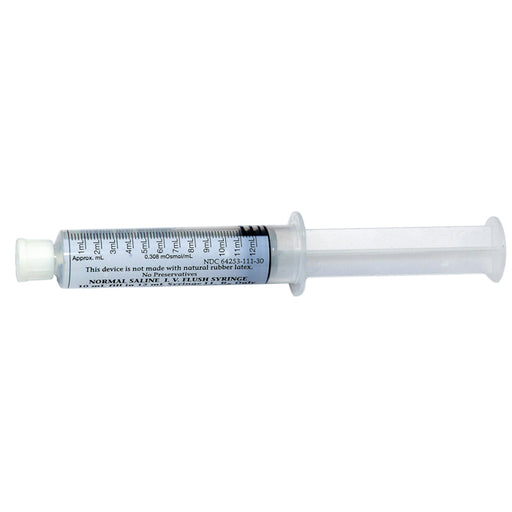
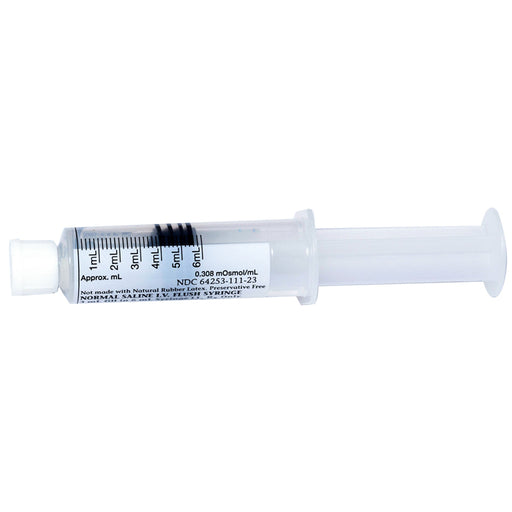
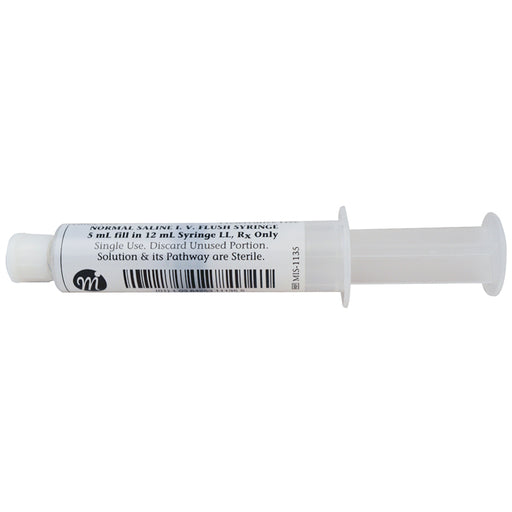
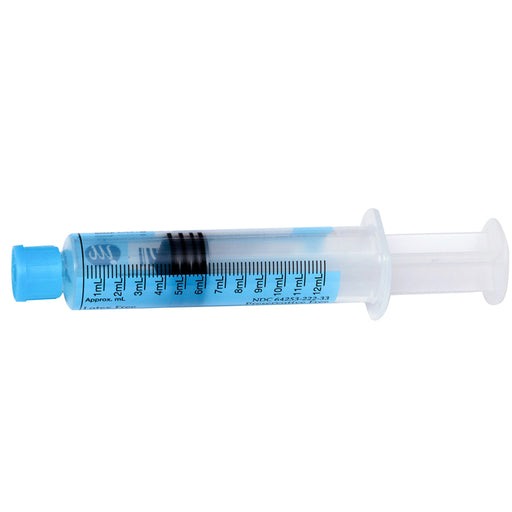
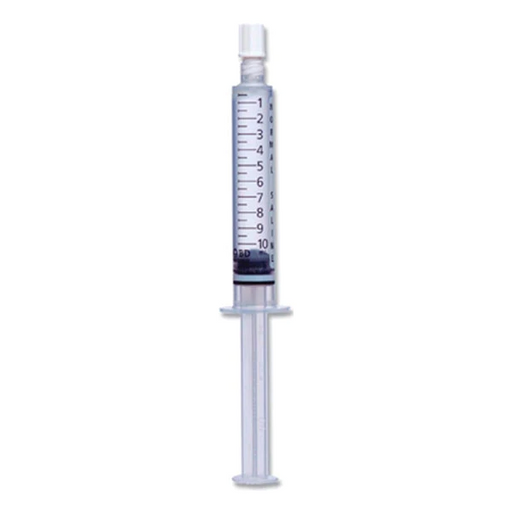
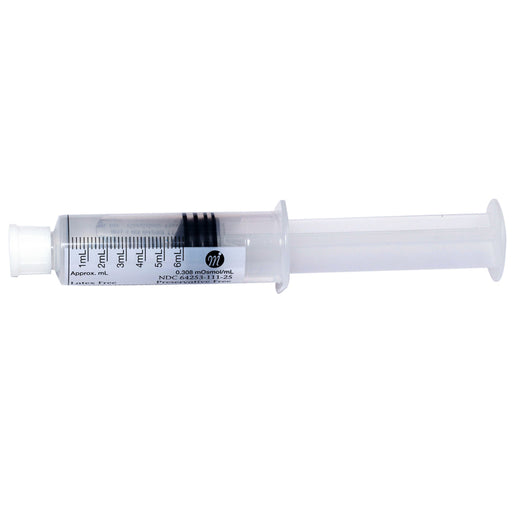
  • Prefilled Saline Flush Syringes: Ready-to-use, sterile, 0.9% sodium chloride solution (most common for routine IV catheter flushing).
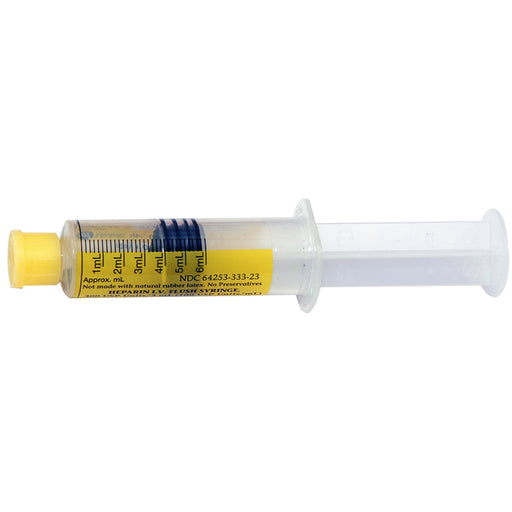
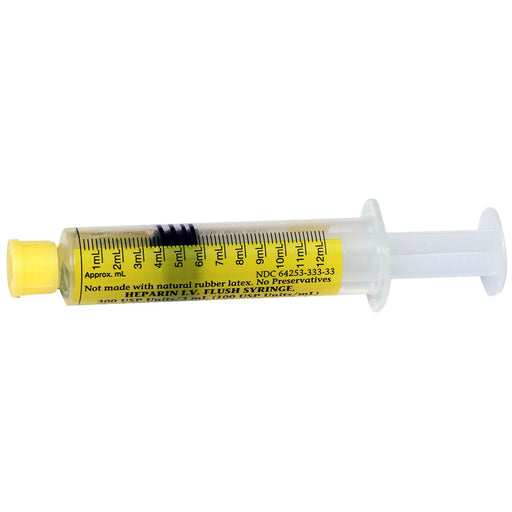
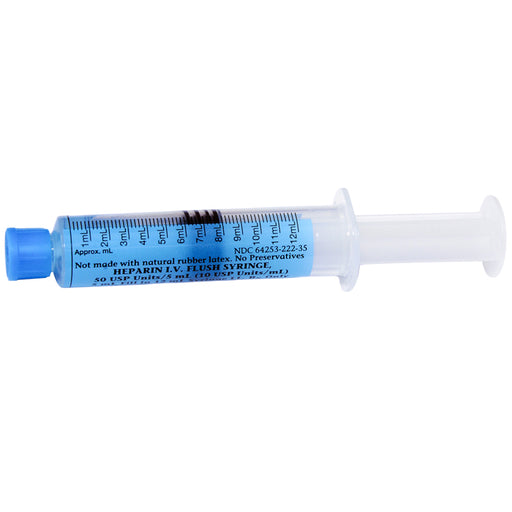
  • Prefilled Heparin Flush Syringes: Available in 10 units/mL, 100 units/mL for anticoagulation of central lines/ports (Rx only; per hospital protocol).
  • Empty Sterile Flush Syringes: For custom solution prep, non-prefilled use.
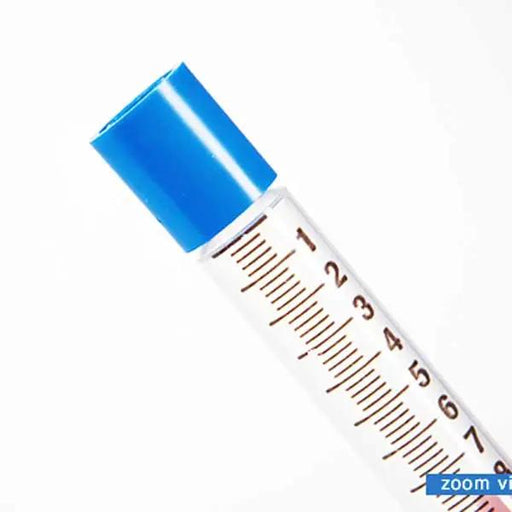
  • Graduated Barrels: Precise volume irrigations for neonate, pediatric, and adult dosing.
  • Safety-Engineered Syringes: Luer lock, slip tip, or needleless systems for OSHA/CDC compliance and sharps safety.

Popular Brands:

  • BD™ (Becton Dickinson, BD PosiFlush™)
  • Monoject™ (Cardinal Health)
  • Medline™
  • EXEL®
  • Nipro®
  • Covidien™ (Kendall)
  • McKesson™
  • Smiths Medical
  • Sol-Millennium™
  • Hospira (IV products)
  • ICU Medical
  • Pharmacy generics, large hospital pack/bulk brands

Strengths

  • Saline Prefilled Syringes: 1 mL, 3 mL, 5 mL, 10 mL, 20 mL, and 30 mL (10 mL most common hospital standard)
    • 0.9% Sodium Chloride USP (9 mg/ml)
  • Heparin Prefilled Syringes: 10, 100, 500, 1000 units/mL (concentration per protocol)
  • Empty Sterile Syringes: Graduations for custom flush or irrigation
  • Barrel Size, Tip Type: Luer lock, slip tip, needleless access for universal compatibility
  • Pack Sizes: Single-use and hospital bulk options (box of 30, 100, 400+)

Precautions

  • Single Use Only: Strictly dispose after each use; never re-use flush syringes—prevents line infections and cross-contamination.
  • Do Not Use for Medication: Dedicated for flushing lines; avoid medication mixing unless explicitly labeled/compounded for that purpose.
  • No Air Bubbles: Ensure no bubbles before flushing to prevent air embolism.
  • Aseptic Technique: Use sterile, proper technique; don gloves; clean port/cap 15–30 seconds with alcohol or chlorhexidine before accessing.
  • AVOID Pre-mixing With Meds: Use freshly opened, medication-free flush only to clear lines.
  • Monitor Electrolytes: Frequent large-volume saline/heparin use may affect sodium or coagulation status—follow hospital/practice protocol.
  • Heparin Cautions: Only use if ordered for central/port lines; contraindicated in heparin-induced thrombocytopenia or bleeding disorders.
  • Proper Disposal: Always use a sharps container to discard used syringes safely.
  • Check Expiry/Integrity: Inspect for sterility, leaks, or particles—do not use if expired or compromised.
  • Pediatric/Neonatal Dosing: Use only age- and size-appropriate volumes and strengths.

Trust FDA-approved IV Flush Syringes for safe, reliable catheter flushing and IV maintenance—used by hospitals, clinics, pharmacies, EMS, and home health professionals worldwide. Shop BD™, Monoject™, Medline™, Nipro™, McKesson™, and leading brands for prefilled saline, heparin, and empty flush syringes for every application. Order online for rapid delivery, infection prevention, and uncompromising patient safety in every care setting!

IV Flush Syringes

Best-Selling, Nurse-Trusted IV Flush Syringes for Safe, Sterile Catheter Maintenance & Infection-Free IV Care

IV flush syringes are industry-standard, FDA-approved, prefilled or sterile empty devices for safe, efficient flushing and maintenance of IV saline locks, central lines, ports, and catheters in hospitals, clinics, ERs, long-term care, and at-home infusion therapy. Designed to prevent clotting, occlusion, medication residue, and infection, these single-use, latex-free syringes ensure effective IV therapy, medication delivery, and fluid management in adults, pediatrics, and neonates.

Purpose

  • Catheter Patency & Clot Prevention: Keeps IV lines open, preventing blockages and ensuring accurate medication/fluid administration.
  • Reduce Risk of Infection: Single-use, sterile syringes minimize the chance of contamination or hospital-acquired bloodstream infection.
  • Enhance Workflow & Compliance: Prefilled syringes streamline nursing workflow, eliminate compounding errors, and support effortless, barcoded bedside scanning for medication safety.

Uses

  • Flushing Peripheral IV Catheters: Saline flush before/after IV medications.
  • Central Line & PICC Line Maintenance: Standard of care for port patency, infection prevention, and medication delivery.
  • Heparin Flushes: For certain central lines requiring anticoagulant maintenance (as ordered).
  • Arterial Line & Hemodialysis Catheter Flushing
  • Blood Draw & Specimen Collection Preparation: Ensures clear lines before/after samples.
  • Hospital, Clinic, EMS, Home Infusion Protocols

Types & Popular Brands

Types:

  • Prefilled Saline Flush Syringes: Ready-to-use, sterile, 0.9% sodium chloride solution (most common for routine IV catheter flushing).
  • Prefilled Heparin Flush Syringes: Available in 10 units/mL, 100 units/mL for anticoagulation of central lines/ports (Rx only; per hospital protocol).
  • Empty Sterile Flush Syringes: For custom solution prep, non-prefilled use.
  • Graduated Barrels: Precise volume irrigations for neonate, pediatric, and adult dosing.
  • Safety-Engineered Syringes: Luer lock, slip tip, or needleless systems for OSHA/CDC compliance and sharps safety.

Popular Brands:

  • BD™ (Becton Dickinson, BD PosiFlush™)
  • Monoject™ (Cardinal Health)
  • Medline™
  • EXEL®
  • Nipro®
  • Covidien™ (Kendall)
  • McKesson™
  • Smiths Medical
  • Sol-Millennium™
  • Hospira (IV products)
  • ICU Medical
  • Pharmacy generics, large hospital pack/bulk brands

Strengths

  • Saline Prefilled Syringes: 1 mL, 3 mL, 5 mL, 10 mL, 20 mL, and 30 mL (10 mL most common hospital standard)
    • 0.9% Sodium Chloride USP (9 mg/ml)
  • Heparin Prefilled Syringes: 10, 100, 500, 1000 units/mL (concentration per protocol)
  • Empty Sterile Syringes: Graduations for custom flush or irrigation
  • Barrel Size, Tip Type: Luer lock, slip tip, needleless access for universal compatibility
  • Pack Sizes: Single-use and hospital bulk options (box of 30, 100, 400+)

Precautions

  • Single Use Only: Strictly dispose after each use; never re-use flush syringes—prevents line infections and cross-contamination.
  • Do Not Use for Medication: Dedicated for flushing lines; avoid medication mixing unless explicitly labeled/compounded for that purpose.
  • No Air Bubbles: Ensure no bubbles before flushing to prevent air embolism.
  • Aseptic Technique: Use sterile, proper technique; don gloves; clean port/cap 15–30 seconds with alcohol or chlorhexidine before accessing.
  • AVOID Pre-mixing With Meds: Use freshly opened, medication-free flush only to clear lines.
  • Monitor Electrolytes: Frequent large-volume saline/heparin use may affect sodium or coagulation status—follow hospital/practice protocol.
  • Heparin Cautions: Only use if ordered for central/port lines; contraindicated in heparin-induced thrombocytopenia or bleeding disorders.
  • Proper Disposal: Always use a sharps container to discard used syringes safely.
  • Check Expiry/Integrity: Inspect for sterility, leaks, or particles—do not use if expired or compromised.
  • Pediatric/Neonatal Dosing: Use only age- and size-appropriate volumes and strengths.

Trust FDA-approved IV Flush Syringes for safe, reliable catheter flushing and IV maintenance—used by hospitals, clinics, pharmacies, EMS, and home health professionals worldwide. Shop BD™, Monoject™, Medline™, Nipro™, McKesson™, and leading brands for prefilled saline, heparin, and empty flush syringes for every application. Order online for rapid delivery, infection prevention, and uncompromising patient safety in every care setting!

FAQs About IV Flush Syringes

  • What is an IV Flush Syringe Used For?

    An IV flush syringe is used to clear and maintain IV catheters, flush out medication residue, ensure IV patency, and reduce the risk of infection or clot formation during and after infusions. Most commonly, they are filled with 0.9% normal saline solution and designed for use with IV lines, PICC lines, and central venous catheters.

  • What Size Syringe to Flush IV? What is the Minimum Size Syringe to Flush an IV?

    10 mL syringes are recommended as the standard and minimum size to flush most peripheral and central IV catheters, including PICC lines. The larger barrel ensures lower pressure, reducing the risk of catheter damage or rupture.

  • Which Syringe is Used for Flushing?

    Pre-filled 10 mL sterile saline flush syringes are standard in most hospitals and clinics. Some protocols use 3 mL or 5 mL for small IVs or pediatric use, but 10 mL is safest and best practice.

  • What is a Normal Saline Flush 0.9 Injection Syringe?

    A normal saline flush syringe is a sterile, prefilled syringe containing 0.9% sodium chloride solution (normal saline) used to flush IV lines, keep them open, and prevent occlusion or infection.

  • Why is Heparin No Longer Used to Flush IV Locks?

    Due to concerns about heparin-induced side effects, allergies, and the effectiveness of saline flushes alone, most institutions use saline-only flushes. Heparin flushes are now reserved for specific indications (e.g., certain central lines or long-term ports).

  • How to Properly Flush an IV?

    Clean the IV port with an alcohol swab for 15-30 seconds. Attach the saline flush syringe to the port. Gently inject 2-5 mL saline (depending on protocol and catheter type) using a push-pause (pulse) technique. Observe for resistance, swelling, or burning. Remove the syringe and ensure the IV site stays clean and intact.

  • What is a PosiFlush Syringe Used For?

    BD PosiFlush™ syringes are prefilled, sterile saline syringes with a unique design to minimize contamination and medication errors. They’re used for safe and convenient IV or PICC line flushing.

  • How Many mL for Saline Flush?

    2–5 mL for peripheral IVs; 5–10 mL for central lines and PICC lines. Always refer to your facility’s protocol.

  • Why Does My IV Burn When I Flush?

    Burning may indicate: Vein irritation or infiltration Phlebitis or infection Flushing too rapidly Notify your nurse or provider immediately if burning occurs.

  • How Fast Do You Flush an IV?

    Flush slowly using the push-pause method (pulse flush): Peripheral IV: over 5–10 seconds for 3–5 mL Central/PICC: over 10–30 seconds for 10 mL

  • Is Heparin Flush the Same as Saline Flush?

    No. Heparin flush contains a low dose of heparin (anticoagulant), while saline flush is just 0.9% sodium chloride. Saline flushes are now the standard in most settings.

  • What are the Risks of a Saline Flush?

    Rarely: Infection if not performed with strict sterile technique, air embolism, vein irritation, infiltration if the IV isn’t in the vein. Proper use and technique make saline flushes extremely safe.

  • What is an IV Flush Made Of?

    0.9% sodium chloride (normal saline) in a prefilled, sterile syringe.

  • How to Use a Normal Saline Flush?

    Wipe the IV port, attach syringe, flush with push-pause method, then discard the used syringe in a sharps container.

  • Do You Always Get Blood Return When Flushing an IV?

    Not always. Lack of blood return can happen with small-gauge catheters or PICC lines, but IV patency can still be confirmed by easy saline flush.

  • How Much to Flush a PICC Line With?

    5–10 mL of 0.9% saline per flush is standard for PICC and central lines.

  • Why Is It Important to Flush an IV?

    Prevents clot formation, blockage, and infection Ensures the line is patent and ready for medication or fluid administration
  • How Long Are Saline Flushes Good For?

    Prefilled saline flush syringes are sterile and single-use only. Check expiration date and do not use if past date or compromised.

  • Can You Run Normal Saline With Heparin?

    Yes, but rarely needed. Most protocols use saline only except for special patients/central lines.

  • Are Normal Saline Flushes Sterile?

    Yes, all prefilled saline flush syringes are sterile and single-use to prevent infection.

  • What is the IV Flush Strategy?

    Flush before and after medications, after blood draws, and every 8–12 hours (per facility policy) to keep lines patent.

  • What to Do if IV Won’t Flush?

    Stop immediately, assess for blockage or infiltration, and try troubleshooting steps (reposition, flush again). If resistance persists, start a new IV.

  • How to Administer PosiFlush?

    PosiFlush works like any prefilled flush: attach, flush with push-pause, detach, and dispose.

  • What Happens if You Flush an IV Too Fast?

    Fast flushing can cause discomfort, vein irritation, or even damage to the IV catheter—always flush slowly and gently.

  • Why Choose Our IV Flush Syringes?

    Sterile, medical-grade prefilled 10 mL (and other sizes) syringes 0.9% sodium chloride or heparin-free, in convenient packaging Latex-free, DEHP-free, and compatible with all IV lines and ports Trusted by hospitals, clinics, and home infusion care teams worldwide Cost-effective, easy-to-use, and time-saving for caregivers and clinicians
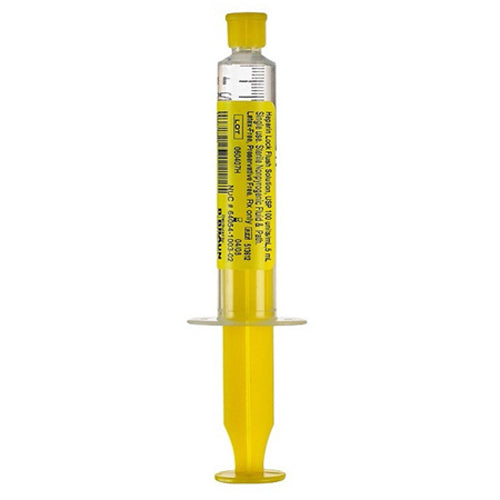
IV Flush Syringes – Sterile, Pre-Filled Saline & Heparin Syringes for Safe, Effective IV Line Maintenance

Shop Hospital-Grade IV Flush Syringes: 0.9% Normal Saline & Heparin-Free Options for Reliable Catheter Patency, Infection Control & Hassle-Free Infusion Care.

Buy IV Flush Syringes Online – Safe, Easy, and Reliable IV Catheter Care

Choose the leading prefilled saline flush syringes for consistent IV performance and superior patient safety—trusted by top hospitals and infusion clinics nationwide.
Get Notified When Back in Stock