

Skip to content
Free US shipping over $100

Antibiotic Ointments

Protect and heal with Antibiotic Ointments, clinically proven to prevent infection, speed up wound healing, and reduce inflammation. Ideal for cuts, scrapes, burns, and minor skin injuries, these ointments create a protective barrier, promote tissue repair, and relieve pain. Trusted in hospitals, clinics, and home care, antibiotic ointments provide effective antibacterial action, support skin regeneration, and minimize scarring. Choose reliable, high-quality ointments for comprehensive wound care and skin health.

FAQs for Antibiotic Ointments
  • What Is the Best Antibiotic Ointment?

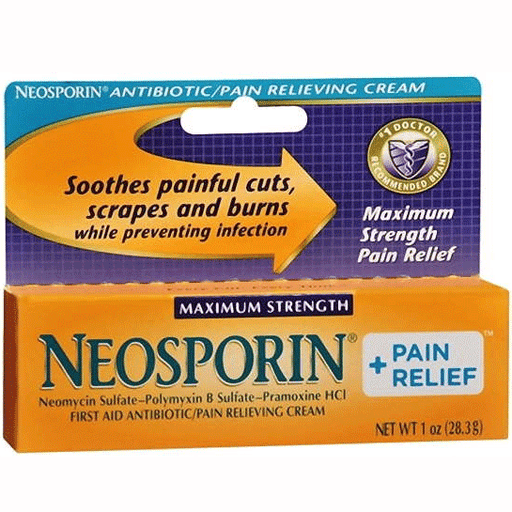
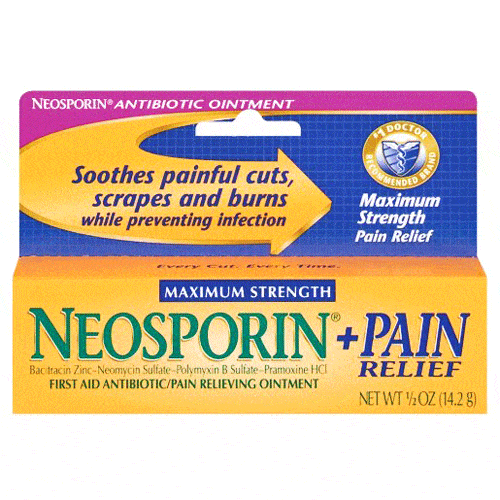
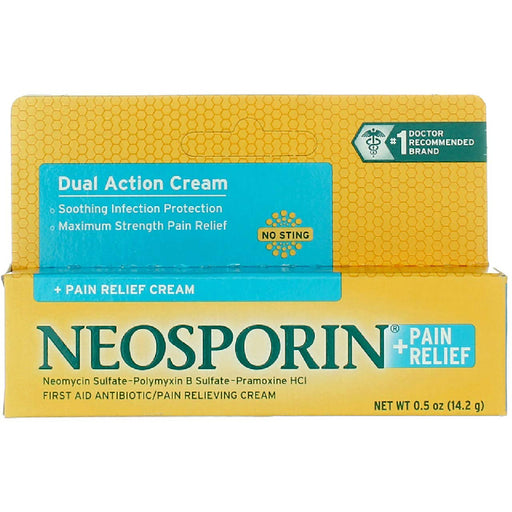
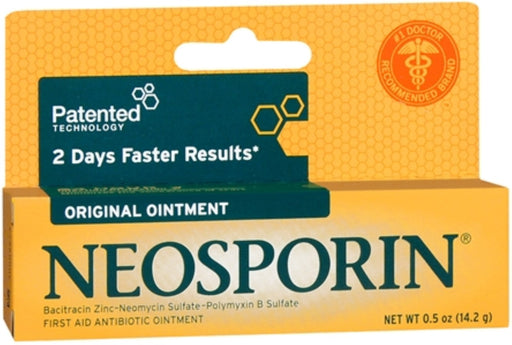
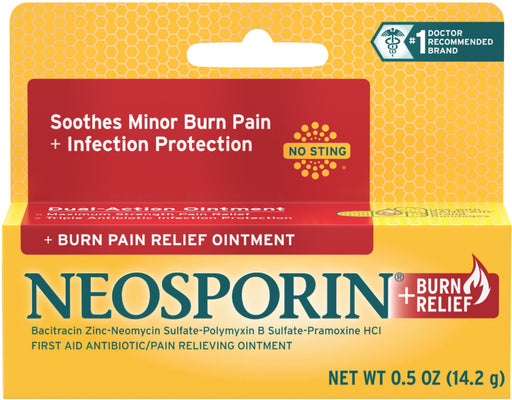
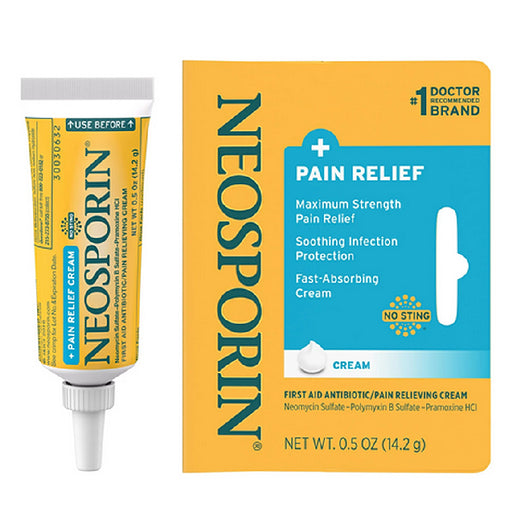
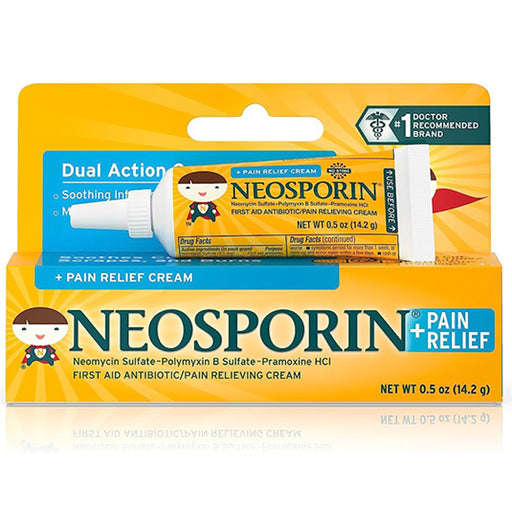
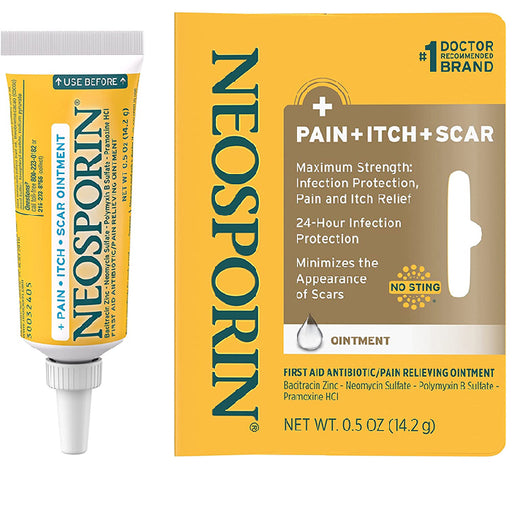
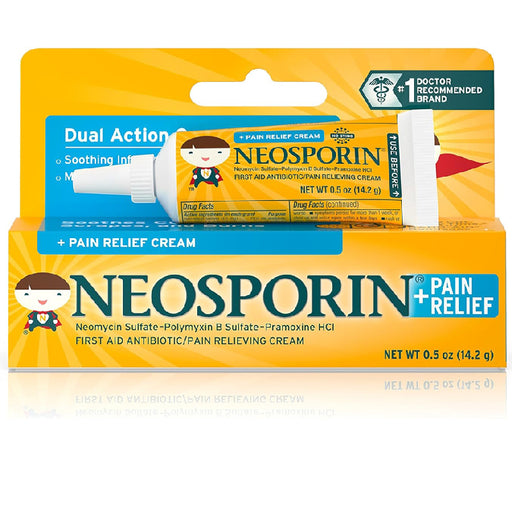
    NEOSPORIN® (triple antibiotic ointment) is the best-known formula, combining neomycin, polymyxin B, and bacitracin for broad-spectrum infection prevention. Polysporin® (bacitracin + polymyxin B) is another leading antibiotic ointment, especially for people allergic to neomycin. Mupirocin (Bactroban®) is a prescription-only ointment, highly effective for staph and MRSA skin infections.

  • Can I Put Antibiotic Ointment in My Nose?

    Yes, but only as directed by your doctor! Mupirocin ointment is often prescribed intranasally to eliminate nasal MRSA colonization. Avoid putting over-the-counter ointments deep into your nose unless advised medically.

  • Is NEOSPORIN Ointment Safe in Pregnancy?

    Neosporin is generally considered safe in pregnancy when used topically and sparingly. Always consult your OB/GYN or healthcare provider before use, especially on large wounds or for extended periods.

  • What Is the Best Antibiotic Ointment for a Stye?

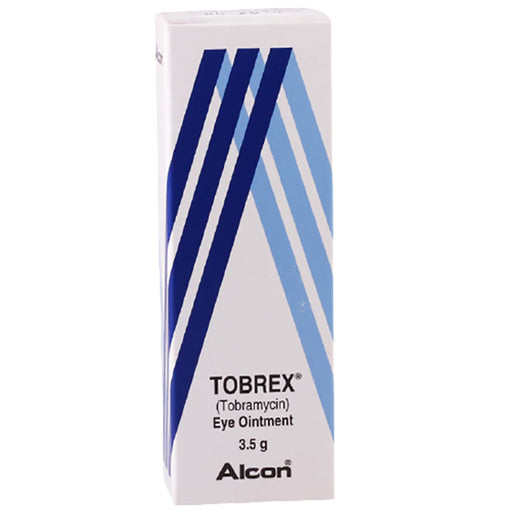
    Prescription bacitracin or erythromycin ointment is considered most effective. Never use ointments containing neomycin or bacitracin inside the eye without medical advice.

  • Do Antibiotic Ointments Actually Work?

    Yes, topical antibiotic ointments reduce infection risk, minimize bacterial growth, and support faster, cleaner wound healing on minor cuts, scrapes, and abrasions.

  • What Ointment Is Good for Bacterial Infection in the Nose?

    Mupirocin (Bactroban) ointment is the gold standard for nasal bacterial infections and MRSA decolonization.

  • Is Mupirocin Ointment Safe for Children?

    Yes, Mupirocin is approved and widely used for children. Always use as prescribed by your pediatrician.

  • What to Use Instead of Neosporin?

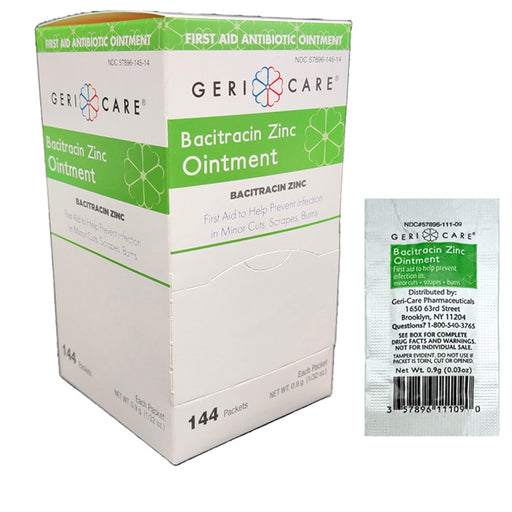
    Polysporin (for those allergic to neomycin) Bacitracin-only ointment Vaseline (petroleum jelly) for wound moisture and basic healing (no antibiotics, but promotes moist wound healing)

  • Where Not to Put Neosporin?

    Inside the eyes, large open wounds, or deep puncture wounds Never use inside the ear without medical guidance Not for use on animal bites or serious burns without a doctor’s advice

  • Is Polysporin an Antibiotic Ointment?

    Yes, Polysporin is a dual antibiotic ointment (bacitracin and polymyxin B), effective against a wide range of skin bacteria.

  • Can I Use Regular Antibiotic Ointment on My Eye?

    No, only use antibiotic ointments specifically labeled for ophthalmic (eye) use, such as erythromycin or bacitracin ophthalmic ointment. OTC or regular Neosporin/Polysporin is not safe for eyes.

  • How to Fight a Skin Infection Without Antibiotics?

    Keep the wound clean and covered Use warm compresses for boils Apply Vaseline or a hydrocolloid bandage for moist healing Monitor closely and seek medical care if worsening

  • Is There a 3 Day Antibiotic for Skin Infection?

    Not for topical use alone. Oral antibiotics for bacterial skin infection may be prescribed for 3–5 days, but ointments are typically used until the wound heals or as directed.

  • Is There an Alternative to Neosporin?

    Yes: Polysporin, Bacitracin, natural remedies like medical-grade honey, or basic Vaseline for non-infected wounds.

  • Why Do Doctors Not Use Neosporin Anymore?

    Growing rates of neomycin allergy/sensitization For many wounds, plain petroleum jelly/Vaseline is just as effective for healing, reducing antibiotic resistance risk.

  • What Is Polysporin?

    Polysporin is a dual-antibiotic ointment (bacitracin + polymyxin B) for first-aid use on minor wounds, with a lower allergy risk than triple antibiotics.

  • What Speeds Up Wound Healing?

    Daily cleaning, antibiotic ointment or Vaseline, keeping wounds moist, covering with a sterile bandage, and monitoring for infection all significantly speed up healing.

  • Which Ointment is Best for Wound Healing?

    NEOSPORIN, Polysporin, or plain petroleum jelly (Vaseline)—all support moist wound healing. Use antibiotic ointment if infection risk is high.

  • Which is Better, Polysporin or Neosporin?

    Polysporin: Fewer allergy risks, just as effective for minor wounds. Neosporin: Broader spectrum, but higher allergy risk (neomycin). Your doctor can advise the best choice for you!

  • What is a Triple Antibiotic Ointment?

    Triple antibiotic ointment (like Neosporin) contains: Neomycin, Polymyxin B, Bacitracin. It provides broad protection against common skin bacteria.

  • Is Vaseline as Good as Neosporin?

    For most minor wounds, Vaseline (petroleum jelly) is equally effective at healing and reducing scarring, but does not kill bacteria. Choose Neosporin if the wound is at risk for infection.

  • Why Choose Our Antibiotic Ointments?

    Broad-spectrum, fast-acting bacterial protection Soothes, heals, and relieves pain on contact Ideal for minor cuts, scrapes, burns, styes, and post-surgical wounds Safe for all ages, with pediatric/child-friendly options Pharmacist-approved and recommended by healthcare professionals Available in NEOSPORIN, Polysporin, bacitracin, mupirocin, and more

Antibiotic Ointments – Fast-Acting, Multi-Use Infection Protection & Advanced Wound Healing

Shop the Best Antibiotic Ointment for Cuts, Scrapes, Burns, Styes, & Skin Infections. Trusted by Doctors, Nurses, and Families for Fast, Effective Topical Antibacterial Care.

What Is the Best Antibiotic Ointment?

NEOSPORIN® (triple antibiotic ointment) is the best-known formula, combining neomycin, polymyxin B, and bacitracin for broad-spectrum infection prevention.
Polysporin® (bacitracin + polymyxin B) is another leading antibiotic ointment, especially for people allergic to neomycin.
Mupirocin (Bactroban®) is a prescription-only ointment, highly effective for staph and MRSA skin infections.

Choose NEOSPORIN, Polysporin, mupirocin, and leading wound ointments for fast-acting protection and optimal healing—shipped fast and direct to your home or first-aid kit!