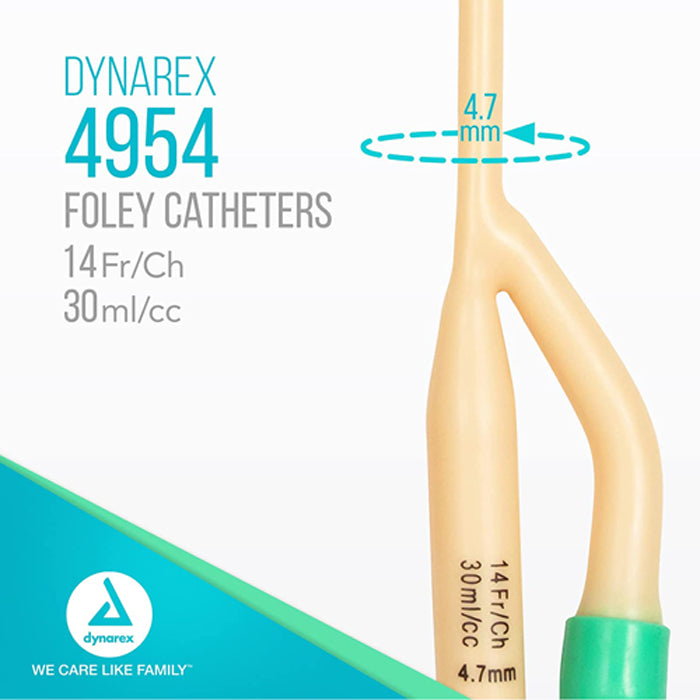
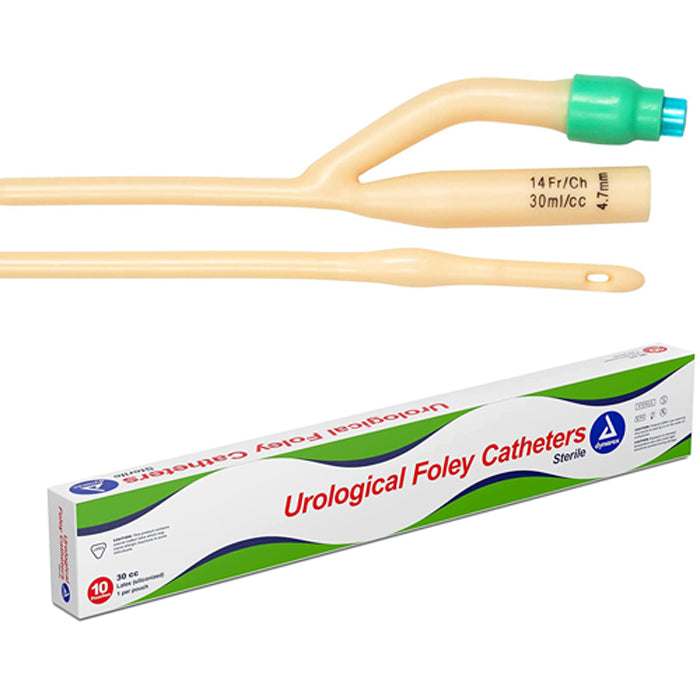
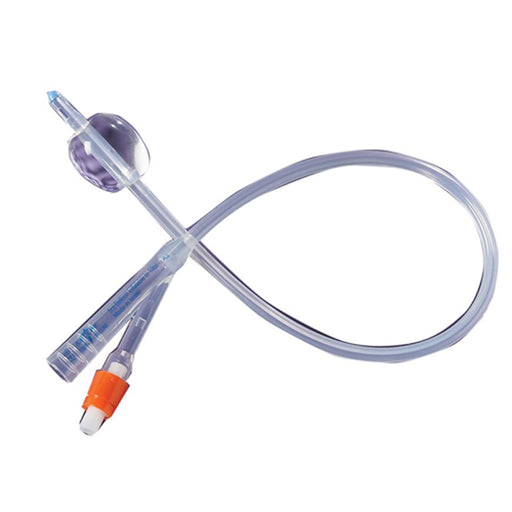
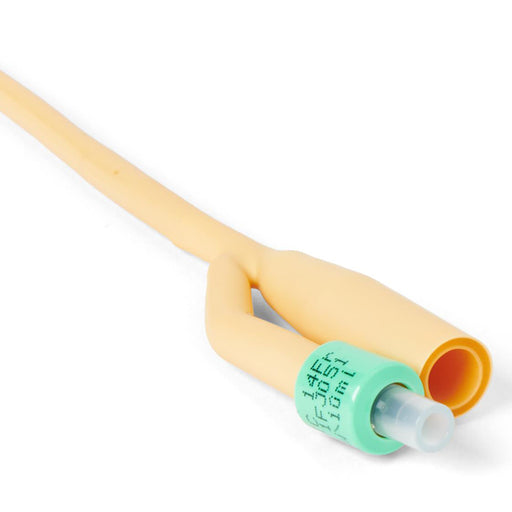
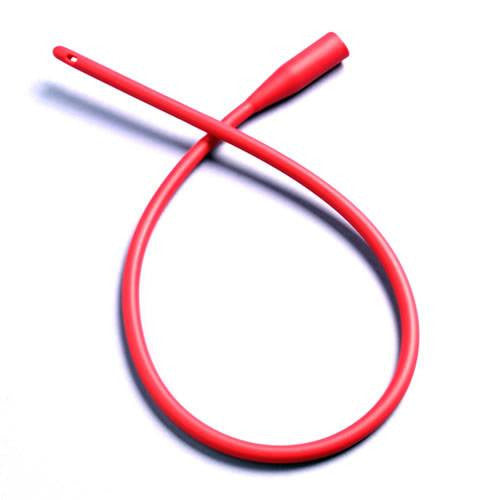
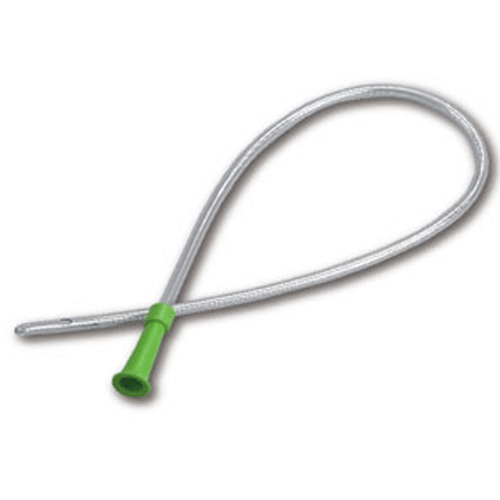
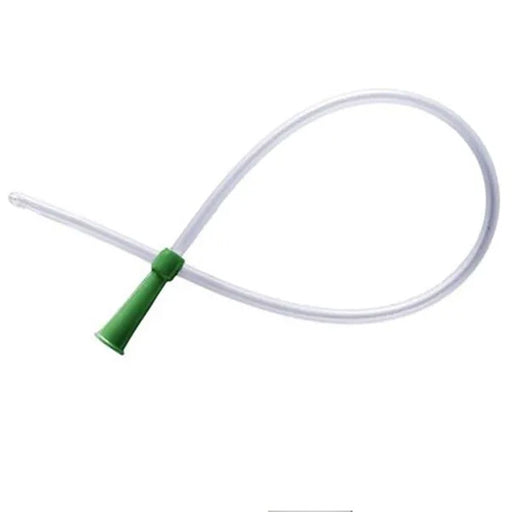
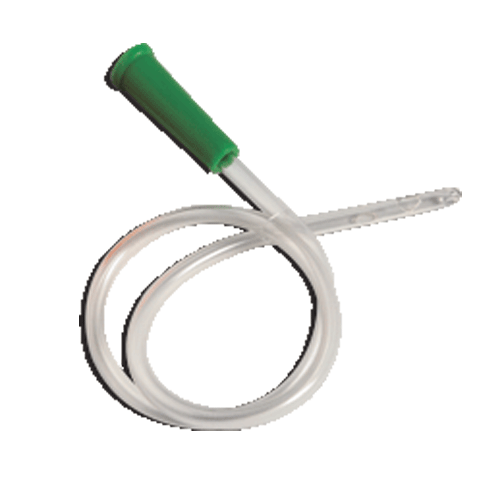
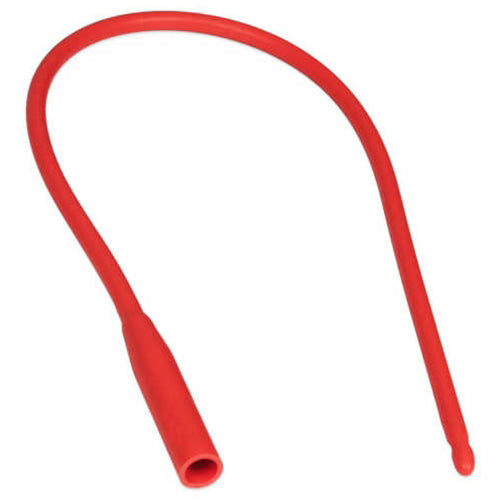
A Foley catheter two-way is a type of indwelling urinary catheter commonly used in medical settings to drain urine from the bladder when a person cannot urinate normally. Here's a breakdown of what it is and how it works:
Foley Catheter Two-Way:
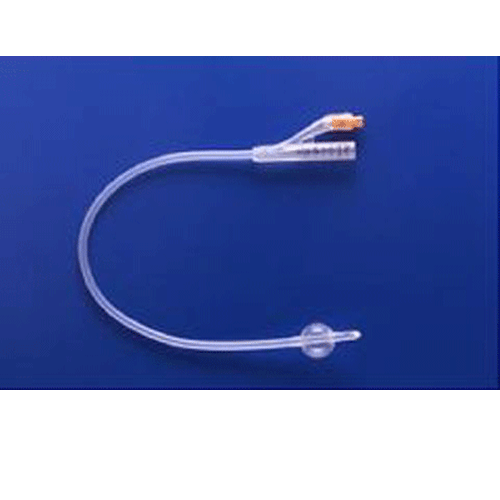
A two-way Foley catheter is a flexible, sterile tube that is inserted through the urethra into the bladder. It is called "two-way" because it has two separate channels (lumens) inside the catheter:
-
Drainage Lumen: Allows urine to drain from the bladder into a collection bag.
-
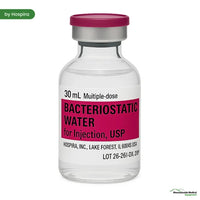
Inflation Lumen: Used to inflate a small balloon at the catheter tip with sterile water after insertion. This balloon holds the catheter securely in place within the bladder.
Uses
1. Urinary Retention: To relieve and drain urine in patients who are unable to empty their bladder naturally (due to obstruction, nerve problems, or other medical conditions).
2. Accurate Urine Output Monitoring: For patients who are critically ill, in intensive care, or during major surgery, to measure and monitor urine output precisely.
3. During and After Surgery: Frequently inserted before, during, or after surgical procedures (especially pelvic, abdominal, or urological surgery) to keep the bladder empty.
4. Continuous Urinary Drainage: For patients with chronic illnesses, immobility, or severe incontinence, especially when frequent movement to a bathroom is not possible.
5. Collection of Sterile Urine Samples: Useful for collecting a sterile urine specimen for diagnostic testing, minimizing the risk of contamination.
6. Bladder Irrigation (with caution): Although primarily two-way catheters are not for irrigation, gentle manual irrigation for clearing small clots may be temporarily performed through the drainage lumen.
7. End-of-Life Comfort Care: To keep incontinent or bedbound patients dry and comfortable by providing continuous drainage at the end of life.
8. Post-Operative Bladder Management: Used after certain surgeries (prostate, bladder, gynecological) to prevent bladder overdistension and allow healing.
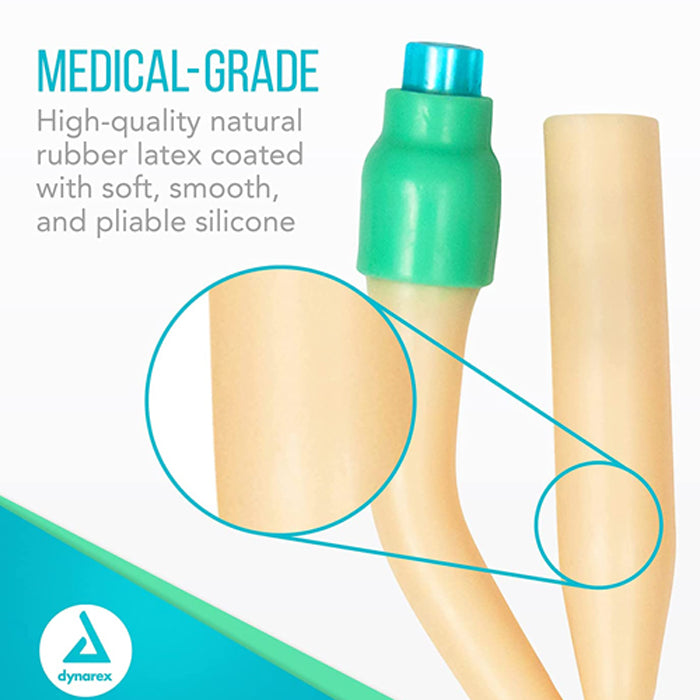
Crafted from high-quality latex and fully coated in medical-grade silicone, this two-way Foley catheter ensures minimized risk of urinary tract infection (UTI), reduced bladder irritation, and enhanced patient comfort. The smooth, biocompatible surface facilitates easy insertion and removal, while the reliable inflation balloon stabilizes placement, providing superior leak protection during extended catheterization.
How to Determine the Proper Foley Catheter Size
1. Measurement System
Foley catheters use the French (Fr) scale:
- 1 Fr = 0.33 mm diameter
- Most adult catheters: 12 Fr – 24 Fr
- Pediatric catheters: 6 Fr – 12 Fr
General Guidelines by Patient Group
Adults
-
Women: 14-16 Fr is standard
-
Men: 16-18 Fr is standard
-
Elderly, frail, or those with urethral narrowing: Start with 12-14 Fr
Children
-
Infants & young children: 6-10 Fr
-
Older children/adolescents: 10-12 Fr
Dynarex Foley Catheters are sterile, individually packaged, and latex-safe with clear length and size markings for precise medical use and optimal urologic care. Ideal for both short and long-term urinary catheterization—including post-surgical recovery, incontinence management, and bladder retention solutions.
Clinical Situations
-
Hematuria or blood clots: Use larger sizes (20-24 Fr) for better drainage and to prevent blockages.
-
Routine drainage / acute retention: Use standard sizes (14-18 Fr for adults).
-
Pediatric or narrowed urethra: Choose the smallest size that drains adequately to reduce trauma risk.
Key Features:
-
Silicone Coated: Biocompatible silicone minimizes tissue reaction, reducing the risk of allergies and latex sensitivities
-
Sizes 14, 16, 18, 20, 22, 24 French for versatile patient use – from adults to elderly
-
Two-Way Design: One lumen for urine drainage, one for balloon inflation; allows safe, secure placement
-
Sterile Packaging: Prevents infection and maintains highest standards for inpatient or home healthcare use
-
Color-coded valve for rapid size identification; fits all standard urine drainage bags and systems
-
Superior Leak Protection: Integrated 10 mL balloon for secure positioning and optimal retention
-
Single Use, Disposable: Promotes best practices in infection control and reduces risk of cross-contamination.
Introducing the Foley Catheter Two-Way Silicone Coated, Sterile - meticulously designed for optimal patient comfort and superior clinical efficiency. Engineered with precision and care, this catheter serves as a reliable urinary drainage solution, prioritizing patient comfort and medical professional ease of use. Its silicone-coated surface ensures a smooth insertion process, reducing friction and minimizing patient discomfort. Ideal for short or long-term drainage, it is versatile across a plethora of medical scenarios.
Benefits:
- Supports safe, hygienic urinary catheterization for chronic incontinence, post-operative care, prostate management, and neurogenic bladder conditions
- Reduces incidence of catheter-associated urinary tract infections (CAUTI)
- Enhances patient comfort for long-term use and minimizes urethral trauma
- Facilitates efficient bladder drainage and accurate fluid output monitoring (crucial for critical care).
Uses:
- Hospital & Surgical Settings
- Nursing Home Patient Care
- Home Health & Hospice Care
- Emergency Medical Procedures
Why Choose Dynarex Foley Catheters?
Trusted by healthcare professionals for their reliability, sterility, and patient-centric design, Dynarex Foley Catheters set the standard for advanced urinary drainage systems. Ensure your patients’ safety, comfort, and well-being with this top-selling medical device.
Directions for Use
1. Preparation: Thoroughly wash hands and wear sterile gloves. Prepare the site and the equipment using aseptic techniques.
2. Position: Have the patient assume a comfortable, supine position for easy access.
3. Insertion: Lubricate the catheter's tip exceedingly well before carefully introducing it into the urethral opening.
4. Inflation: Once the catheter reaches the bladder and urine flow is evident, inflate the balloon with the designated sterile water amount.
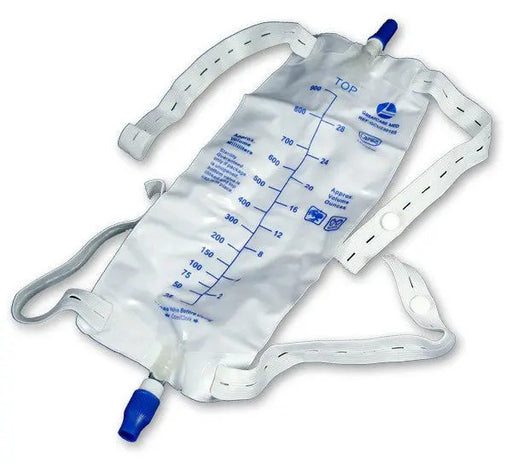
5. Monitoring: Secure the catheter and connect it to a drainage bag. Monitor for continued patency and drainage.
6. Removal: Deflate the balloon fully before gentle removal when discontinuing use.
Mechanism of Action
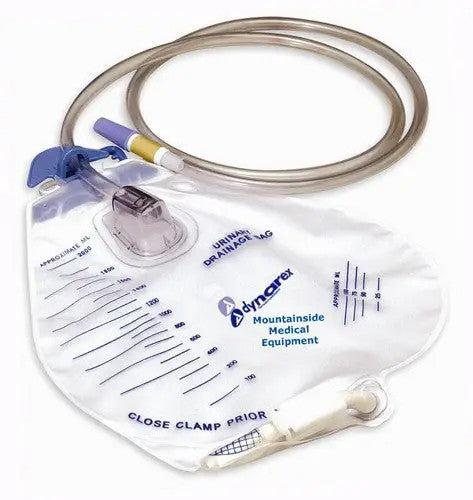
The Foley Catheter functions as a conduit for urine from the bladder to an external drainage bag. The silicone coating aids in reducing urethral irritation and the risk of infection, while the inflatable balloon stabilizes the catheter's position within the bladder.
Side Effects
While the Foley Catheter Two-Way Silicone Coated is designed to minimize complications, some side effects may still occur:
- Localized irritation or discomfort
- Urethral pain or bleeding
- Occasional urinary tract infections (UTIs)
- Bladder spasms
Warnings
-
Allergy Caution: Ensure the patient has no silicone allergies before use.
Sterility is Crucial: Always maintain strict sterile techniques to prevent infection.
-
Clinical Oversight Required: Only professional medical personnel should insert and manage catheter use.
-
Duration of Use: Avoid extended use beyond recommended durations to decrease the risk of infections and complications.
-
Monitoring: Continuously monitor for signs of infection, blockage, or inadequate drainage, and address these issues promptly.
-
Balloon Inflation: Do not inflate the balloon too early, ensure catheter tip placement to prevent bladder trauma.
Order Now for best pricing on top-rated Foley Catheters, two-way silicone coated, sizes 14 to 24 Fr—ideal for hospitals, clinics, and caregivers prioritizing infection control, patient comfort, and clinical effectiveness.
 Skip to content