Fast-Acting, High-Potency, Non-Opioid Injectable Pain Relief for Acute Moderate to Severe Pain
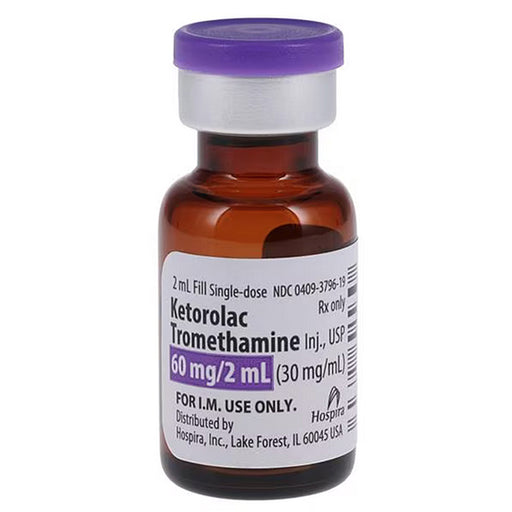
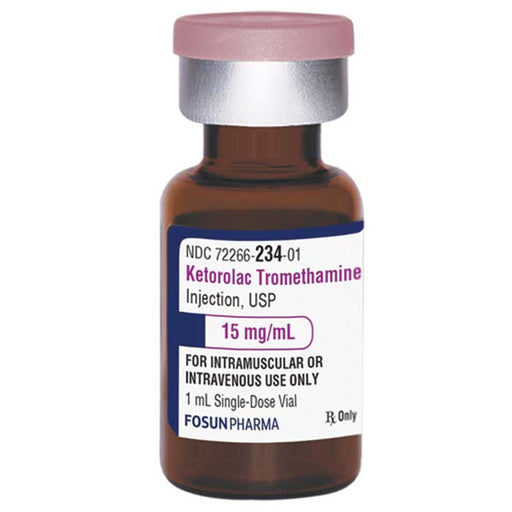
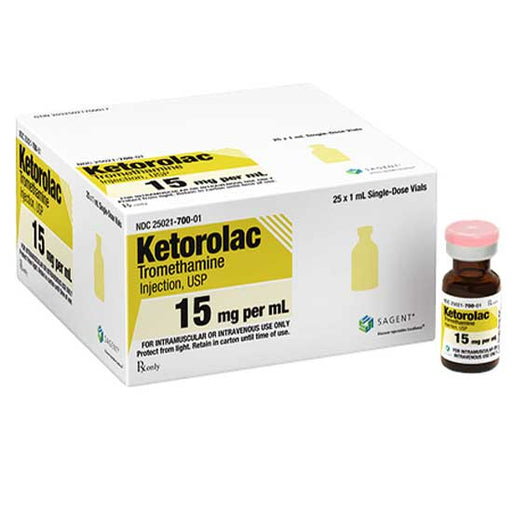
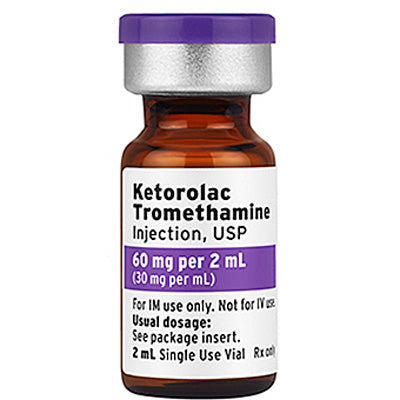
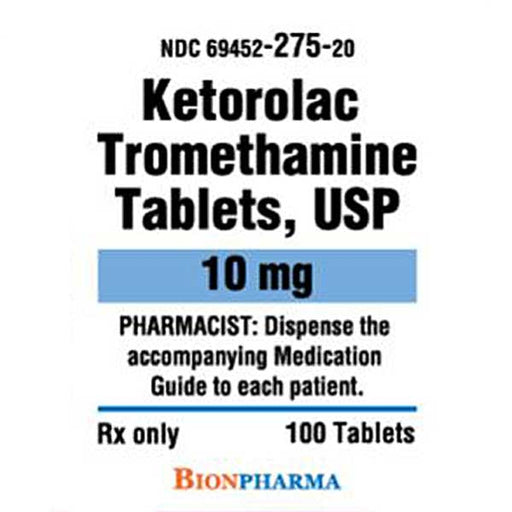
Elevate your standard of care with Ketorolac Tromethamine Injection 30 mg per 1 mL by Sagent Pharmaceuticals, a trusted name in sterile hospital injectables. This prescription injectable NSAID offers clinically proven, rapid, and powerful analgesic and anti-inflammatory action—delivering the gold standard in short-term, non-opioid, moderate to severe pain control where fast, reliable results are needed.
Sagent Ketorolac Tromethamine Injection is a prescription medication used to relieve short-term, moderate to severe pain. It belongs to a class of drugs called nonsteroidal anti-inflammatory drugs (NSAIDs) and works by reducing inflammation and blocking pain signals in the body. Each vial contains 30 mg of ketorolac tromethamine per 1 mL and is sold in a pack of 25 vials. It is typically administered through an injection by a healthcare professional. This medication should only be used for a short period of time and is not intended for long-term pain relief.
Uses and Clinical Applications
-
Short-Term Management of Acute Moderate to Severe Pain: Effective for post-operative pain, orthopedic injury, trauma, musculoskeletal disorders, dental procedures.
-
Hospital, Clinic, and Emergency Room Settings: Trusted by healthcare professionals for perioperative and in-hospital pain intervention.
-
Ideal Opioid-Sparing Solution: When conventional NSAIDs are inadequate and opioid side effects are undesirable.
Applications
-
IV (Intravenous) and IM (Intramuscular) Administration: For healthcare provider use ONLY
-
Acute care settings: Hospitals, trauma centers, surgical centers, urgent care clinics
-
Replacement for opioid injectables: Adjunct or alternative for controlled substance management protocols
Optimal non-opioid pain solution for hospitals & clinics — NDC 25021-0701-01 | UPC 325021701014
How to Use Ketorolac Tromethamine Injection
- Inspect vial for particulate matter and discoloration before use.
- Use aseptic (sterile) technique for withdrawal and injection.
- Single-dose vial: Administer full content; discard remainder after use.
- Administer IM deeply into a large muscle, or inject slowly IV in a clinical setting.
NOTE: For licensed healthcare professionals only—NOT for self-injection or consumer use.
Side Effects and Warnings
Common Side Effects:
Nausea, abdominal pain, drowsiness, headache, injection site pain, indigestion, dizziness
Serious/Severe Risks:
- GI Bleeding/Perforation: Risk even without warning symptoms.
- Renal Toxicity: Renal impairment, especially with dehydration, elderly, or those with renal compromise.
- Increased Bleeding: Contraindicated in active bleeding or coagulation disorders.
- Anaphylaxis/Hypersensitivity: Bronchospasm, rash, hives—especially in aspirin-sensitive patients.
- Cardiovascular Events: Stroke, myocardial infarction (use with caution in preexisting heart disease)
- Contraindications:
- Active or recent GI bleeding or peptic ulcers
- Advanced renal impairment
- Suspected or confirmed cerebrovascular bleeding
- Labor and delivery
- Use with other NSAIDs
Boxed Warning:
- NOT for chronic pain, minor pain, or pediatric use (unless directed).
- DO NOT use for more than 5 days.
- Contraindicated perioperatively in coronary artery bypass graft (CABG) surgery.
 Skip to content