Skip to content
Year-End Sale is Live Now - Up to 50% off
New users? Get 5% off on your first purchase.
Free US shipping over $100
Year-End Sale is Live Now - Up to 50% off
New users? Get 5% off on your first purchase.
Free US shipping over $100

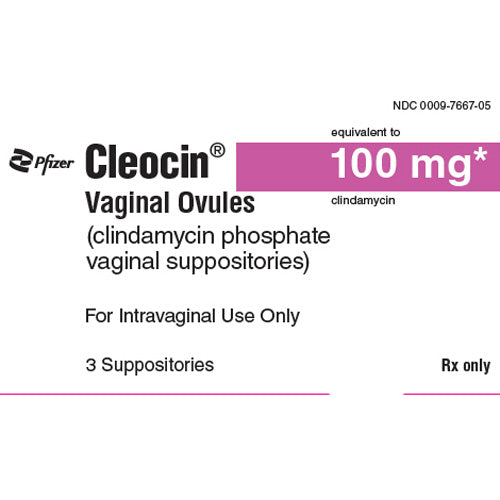
Cleocin Vaginal Ovules Clindamycin Phosphate Vaginal Suppositories 3 Pack (RX)

Year End Sale 14%
Original price $ 299.95
Current price $ 259.00
SKU 00009-7667-05
*Mountainside Medical does not fill personal prescriptions Medical Professional License Required to Unlock Account

How to Order:

Send an email request to: sales@mountainside-medical.com

You will receive instructions on how to create an account along with Rx Ordering Details.

(Note: Acceptable licenses must have Prescriptive Authority in the license issuing state.)

Cleocin Vaginal Ovules are an antibiotic treatment used to address bacterial vaginosis, a common vaginal infection. These ovules contain clindamycin phosphate, which helps eliminate harmful bacteria in the vagina. By disrupting bacterial growth, Cleocin Vaginal Ovules relieve symptoms such as abnormal discharge, odor, and irritation. The treatment is usually inserted into the vagina for optimal local action, ensuring effectiveness in restoring a healthy vaginal environment.

The active ingredient in Cleocin Vaginal Ovules is clindamycin phosphate, which is an antibiotic that works by stopping the growth of bacteria. This medication is specifically designed for use in the vagina and helps to restore the natural balance of bacteria in the vaginal area.

Cleocin Vaginal Ovules are typically used once daily for seven days and should only be used under the direction and supervision of a healthcare provider. It is important to finish the full course of treatment even if symptoms improve to prevent recurrence of infection.

Possible side effects may include irritation or discomfort in the vaginal area, headache, or stomach upset. If you experience any severe or persistent side effects, it is important to inform your healthcare provider.

Overall, Cleocin Vaginal Ovules are an effective treatment option for bacterial vaginal infections when used as directed by a healthcare professional.

  • Effective treatment for bacterial vaginosis: Cleocin Vaginal Ovules are a popular prescription medication for the treatment of bacterial vaginosis, an infection caused by an imbalance of bacteria in the vagina. The active ingredient, clindamycin phosphate, works to kill off the bacteria and restore balance to the vaginal ecosystem.
  • Fast relief of symptoms: Many women who use Cleocin Vaginal Ovules report feeling relief from symptoms within a few days. This can include a reduction in odor, itching, and discharge.
  • Easy and convenient to use: Unlike oral antibiotics that need to be taken multiple times a day for several days, Cleocin Vaginal Ovules are used just once daily for three days. The soft suppository form makes them easy to insert into the vagina and they can be applied at any time of day.
  • Less risk of side effects: Because Cleocin Vaginal Ovules work directly at the site of infection, there is less risk of experiencing common side effects associated with oral antibiotics such as nausea or diarrhea.
  • May prevent recurrence: In addition to treating current infections, using Cleocin Vaginal Ovules may also help prevent future episodes of bacterial vaginosis by restoring balance to the vaginal microbiome.
  • Prescribed by healthcare professionals: As a prescription medication, Cleocin Vaginal Ovules are prescribed by healthcare professionals who have diagnosed your specific condition and determined it is safe and effective for you to use.
  • Cost-effective option: Though they may cost more than over-the-counter treatments initially, using Cleocin Vaginal Ovules can be more cost-effective in the long run as they effectively treat the infection without repeated use or further medical interventions.
  • Potential off-label uses: Along with treating bacterial vaginosis, some healthcare providers may also prescribe Cleocin Vaginal Ovules for other vaginal infections caused by certain types of bacteria.
  • Available in a discreet package: Cleocin Vaginal Ovules come individually packaged, making them easy to carry with you and use when necessary without drawing attention or causing discomfort.
Cleocin Vaginal Ovules Clindamycin Phosphate Vaginal Suppositories 3 Pack (RX)
$ 299.95 $ 259.00
🔒 Medical License Required
FAQs for Clindamycin
  • What is Clindamycin?

    Clindamycin is a powerful, prescription-only lincosamide antibiotic that treats a wide variety of serious bacterial infections. It works by inhibiting bacterial protein synthesis, stopping bacteria from multiplying and allowing your body to clear the infection.

  • Top Uses of Clindamycin

    Tooth Infections (Dental abscess) Skin Infections (Cellulitis, MRSA, acne) Bone and Joint Infections (Osteomyelitis) Respiratory Tract Infections (Pneumonia, lung abscess) Gynecological Infections (Pelvic inflammatory disease, bacterial vaginosis) Ear, Nose, and Throat Infections Sepsis (Serious bloodstream infections)

  • Clindamycin Dosage Guidelines

    Adults: 150–450 mg every 6–8 hours (as prescribed) Children: Dosage based on weight and infection type Always follow your doctor’s instructions. Complete the entire course, even if you feel better.

  • Clindamycin and Alcohol: Is it Safe?

    Avoid alcohol while taking clindamycin. Mixing alcohol with antibiotics can worsen side effects like stomach upset, dizziness, and can delay your recovery.

  • Clindamycin vs. Amoxicillin: Which Is Better?

    Clindamycin is used when you have a penicillin allergy or for bacteria resistant to penicillins. Amoxicillin is effective against many common bacteria but less effective against certain resistant strains compared to clindamycin. For tooth abscesses and severe skin infections, many dentists and doctors prescribe clindamycin over amoxicillin, especially if the patient is allergic to penicillin.

  • Clindamycin Interactions

    May interact with muscle relaxants, erythromycin, and some vaccines. Tell your doctor about all medications and supplements you're taking.

  • Common Side Effects of Clindamycin

    Nausea, vomiting, diarrhea Stomach pain Rash or itching Metallic/bitter taste in mouth Serious (rare): Severe diarrhea (C. difficile), allergic reaction, liver issues

  • Is clindamycin used for tooth infection?

    Yes! Clindamycin is a first-choice antibiotic for tooth infections, especially for people allergic to penicillin or where other antibiotics fail.

  • What are signs a tooth infection is spreading?

    Swelling of the face or jaw Severe pain Fever or chills Difficulty swallowing or breathing Seek medical help immediately if these symptoms occur.

  • Why would a dentist prescribe clindamycin?

    Dentists prescribe clindamycin for serious dental infections or in patients allergic to penicillin. It's highly effective against stubborn oral bacteria.

  • Is clindamycin a tetracycline?

    No. Clindamycin is a lincosamide antibiotic, not related to tetracyclines.

  • Is clindamycin the strongest antibiotic?

    It is very potent, especially against anaerobic bacteria and some resistant strains, but the “strongest” antibiotic depends on the infection and the bacteria involved.

  • What infections will clindamycin clear up?

    Dental abscesses Skin/soft tissue infections Bone and joint infections Certain ear, nose, and throat infections Gynecological infections (BV, pelvic infections) Some lung infections

  • Is clindamycin safe in pregnancy?

    Clindamycin is generally considered safe during pregnancy (Category B), but always consult your doctor for your specific case.

  • How quickly does clindamycin work?

    Most people notice improvement within 2–3 days. Always finish the full prescribed course.

  • What should I avoid while taking clindamycin?

    Alcohol Antidiarrheal medicines (unless prescribed) Sunbathing/tanning beds (for topical forms) Overuse of probiotics without guidance

  • Is clindamycin a penicillin?

    No. It's not a penicillin, making it a great option for those with penicillin allergies.

  • What are the most common side effects of clindamycin?

    Stomach upset (nausea, diarrhea), metallic taste, rash.

  • Which is better, doxycycline or clindamycin?

    Both are highly effective, but clindamycin is often prescribed for dental and serious anaerobic infections, while doxycycline is common for acne and respiratory infections. The choice depends on the infection.

  • Why would a doctor prescribe clindamycin instead of amoxicillin?

    When the patient is allergic to penicillin Infecting bacteria are resistant to amoxicillin For certain severe or anaerobic infections

  • Is 3 days of clindamycin enough?

    Most infections require at least 5–7 days. Always finish your full prescription unless told otherwise by your doctor.

  • What bacteria does clindamycin not treat?

    Clindamycin does not treat most Gram-negative bacteria (e.g., E. coli, Pseudomonas) and does not work for viral infections.

  • What does clindamycin do to skin?

    Used topically, clindamycin treats acne by reducing bacteria and inflammation. Oral clindamycin treats severe skin infections.

  • Who cannot take clindamycin?

    Individuals with a history of colitis/C. difficile infection Those allergic to clindamycin Caution in people with liver/kidney disease

  • What female infections does clindamycin treat?

    Bacterial vaginosis Pelvic inflammatory disease Certain uterine or pelvic infections

  • Why Choose Clindamycin?

    Fast-acting for tough infections Effective for penicillin-allergy patients Fights resistant bacteria Prescription only, ensuring proper guidance and safety

Search Any Type of Product, Medication, or Alignment