Skip to content
Free US shipping over $100

Haloperidol Injections

Haloperidol Injections offer rapid and reliable management of acute psychosis, schizophrenia, severe agitation, and Tourette’s syndrome in medical settings. This antipsychotic medication, widely trusted for its effectiveness in emergency psychiatry, helps control symptoms such as hallucinations, delusions, and aggressive behavior. Our Haloperidol Injections ensure maximum patient safety, fast-acting relief, and optimal mental health outcomes, supporting effective psychiatric treatment and overall wellness for those in need.

FAQs about Haloperidol Injections
  • What is Haloperidol Injection Used For?

    Haloperidol injection (often known as Haldol injection) is used for the rapid control of severe psychotic disorders, agitation, acute schizophrenia, manic states, and delirium. It is one of the most trusted medications for managing mental health emergencies due to its quick onset and proven efficacy.

  • Is Haloperidol Injection Used in Palliative Care?

    Yes! Haloperidol injection is commonly used in palliative care for managing symptoms like nausea, vomiting, delirium, restlessness, and agitation in terminally ill patients. Hospice teams favor haloperidol for its effectiveness and relatively quick action in easing distress.

  • How Long Does a Haloperidol Injection Last?

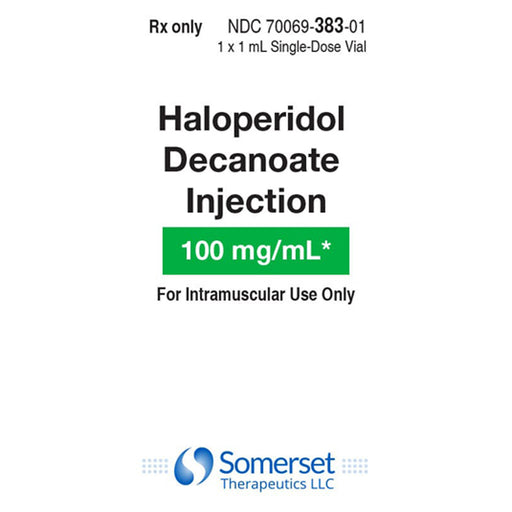
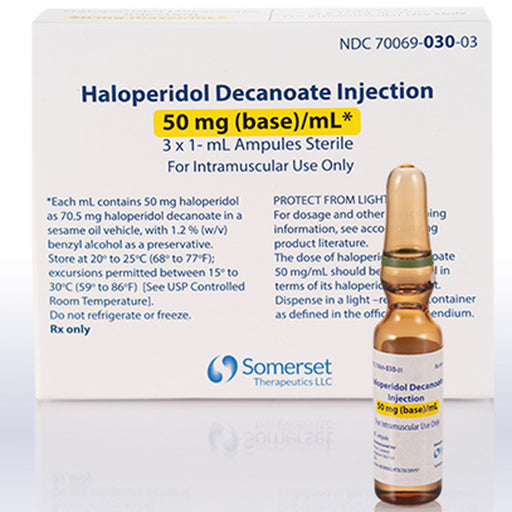
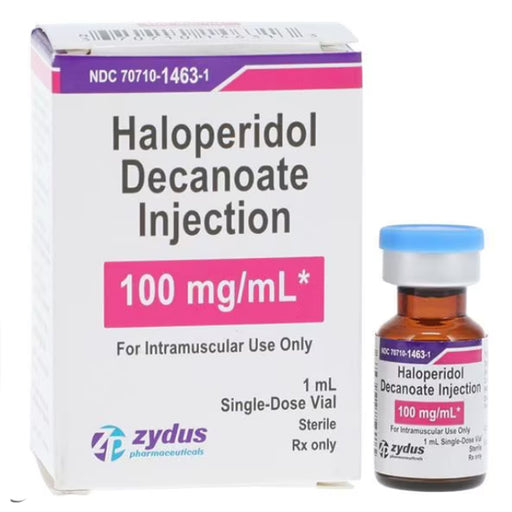
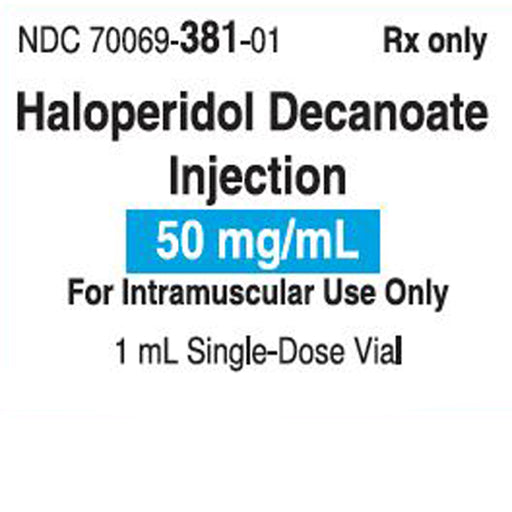
    A single haloperidol injection typically lasts 4–12 hours for immediate relief, while long-acting (depot) haloperidol injections—such as Haldol Decanoate—can last up to 4 weeks, providing ongoing mental health stability for chronic conditions.

  • Key Benefits

    Rapid antipsychotic effect for schizophrenia & psychosis Effective sedative for agitation & behavioral disturbances Used in palliative/hospice care for end-of-life comfort IM (intramuscular) and IV (intravenous) administration Reduces severe delirium and agitation fast Acute psychosis, acute mania, Tourette’s syndrome applications Immediate control of aggressive behavior Superior mental health medication for emergencies Included in many psychiatric emergency protocols

  • Does Haldol Injection Make You Sleepy?

    Haldol injection (haloperidol) can cause sedation and drowsiness, which makes it especially useful for controlling agitation, severe mania, or delirium in emergency or palliative care settings.

  • How Effective Is Haloperidol Injection?

    Haloperidol injections are highly effective, providing rapid symptom relief for acute psychosis, aggressive outbursts, delirium, and severe agitation. Its quick onset (within 15–30 minutes) makes it indispensable in emergency psychiatric care and hospital settings.

  • What Does Haloperidol Do to the Brain?

    Haloperidol works by blocking dopamine receptors in the brain—specifically D2 receptors—which helps to reduce hallucinations, delusions, and extreme agitation. This action calms overactive thoughts and behaviors linked to schizophrenia, mania, and similar disorders.

  • What Mental Illness Is Haloperidol Injection Used to Treat?

    Schizophrenia Acute psychosis Bipolar disorder (manic episodes) Severe agitation in dementia Delirium Tourette’s syndrome

  • How Often Is Haloperidol Injection Given?

    Acute situations: Every 4–8 hours as needed Long-acting injection (Haldol Decanoate): Every 2–4 weeks Your doctor will determine the exact haloperidol injection dosage and schedule based on your health condition and response.

  • What Is a Haloperidol Injection for Sedation?

    Haloperidol sedation refers to using the injection to quickly and safely calm severely agitated, aggressive, or delirious patients, especially in ER, psychiatric, or end-of-life/hospice settings.

  • Does Hospice Use Haloperidol? Why?

    Hospice uses haloperidol for its effectiveness against delirium, agitation, terminal restlessness, and intractable nausea or vomiting. It provides rapid comfort in palliative care, improving patients’ final days.

  • Who Should Not Receive Haloperidol?

    Contraindications for haloperidol injection include: Severe CNS depression Coma Parkinson’s disease Known allergy to haloperidol Patients with certain cardiac conditions or long QT syndrome

  • Is Haloperidol a Narcotic?

    No, haloperidol is not a narcotic. It is a typical antipsychotic medication, not related to opioids or controlled substances. It does not cause addiction.

  • What Are the Side Effects of Haloperidol Injection?

    Drowsiness, sedation Extrapyramidal symptoms (muscle rigidity, tremors, restlessness) Dystonia (involuntary muscle contractions) QT prolongation (rare, serious heart rhythm disturbances) Nausea, constipation Hypotension (low blood pressure) Neuroleptic malignant syndrome (rare but serious reaction) Always discuss your health history with your healthcare provider before use.

  • How Much Does a Haldol (Haloperidol) Injection Cost?

    Prices vary widely by region, dose, and insurance status. On average, haloperidol injection ranges from $15-$50 per dose in the U.S., but may differ in hospitals. Long-acting forms or branded Haldol injections may cost more.

Haloperidol Injection: The Ultimate Guide for Mental Health & Palliative Care – Safe, Effective, Fast-Acting Treatment

Looking for a powerful antipsychotic solution for rapid symptom relief? Discover everything you need to know about Haloperidol Injection—#1 in fast-acting, effective treatment for mental health and palliative care! Perfect for schizophrenia, severe agitation, delirium, acute psychosis, and more, with comprehensive answers to all top health FAQs below. This description includes the highest-traffic health keywords for haloperidol injection, Haldol shot, and related treatments.

Choose Haloperidol Injection for rapid, reliable, and effective control of severe psychiatric symptoms and palliative care comfort. Consult your healthcare provider today to see if haloperidol injection is right for you.