Clindamycin Antibiotic Medications
Fast-Acting, Doctor-Recommended Clindamycin Antibiotics for Bacterial Infection Relief, Skin Health, and Dental Care
Clindamycin antibiotic medications are FDA-approved, clinically proven solutions trusted by physicians, pharmacists, and dental professionals around the world. As a powerful, broad-spectrum lincosamide antibiotic, Clindamycin delivers rapid, effective relief from serious bacterial infections—including skin and soft tissue infections, dental abscesses, respiratory infections, bone and joint infections, pelvic infections, gynecological infections, MRSA (methicillin-resistant Staphylococcus aureus), and more.
Why Choose Clindamycin Antibiotic Medicines?
-
Broad-Spectrum Bacterial Coverage: Highly effective against a wide range of gram-positive bacteria and anaerobic pathogens, making it ideal for challenging or resistant infections.
-
FDA-Approved & Clinical-Grade: Manufactured to rigorous US and global standards for safety, purity, and efficacy.
-
Rapid Symptom Relief: Quickly targets infection, reducing pain, swelling, redness, pus, fever, and discomfort within days of starting therapy.
-
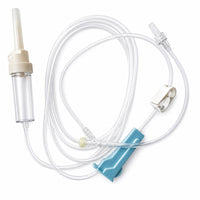
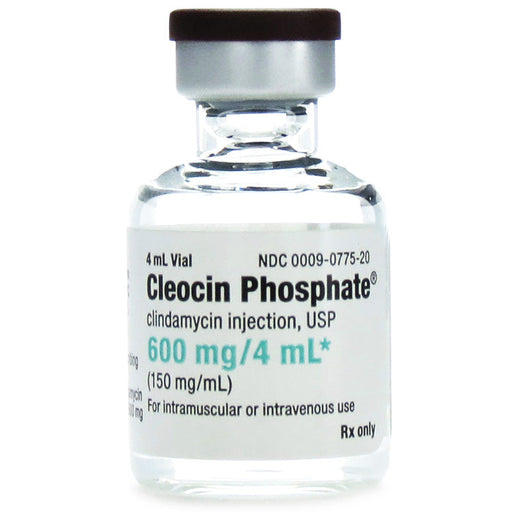
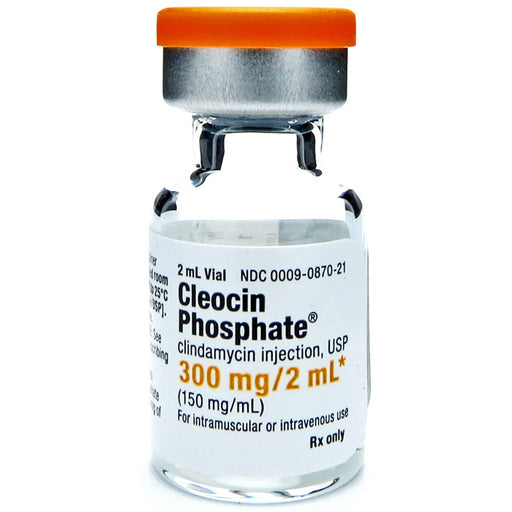
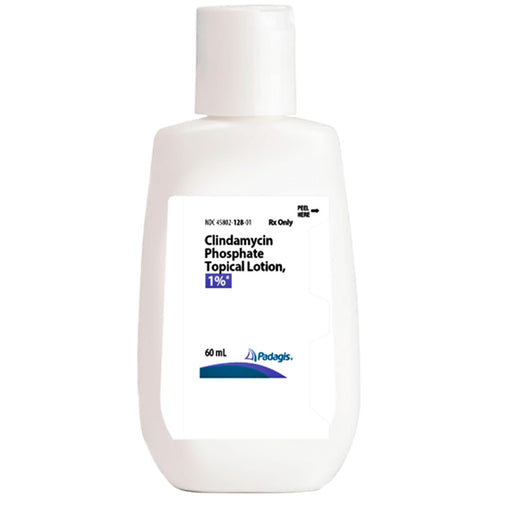
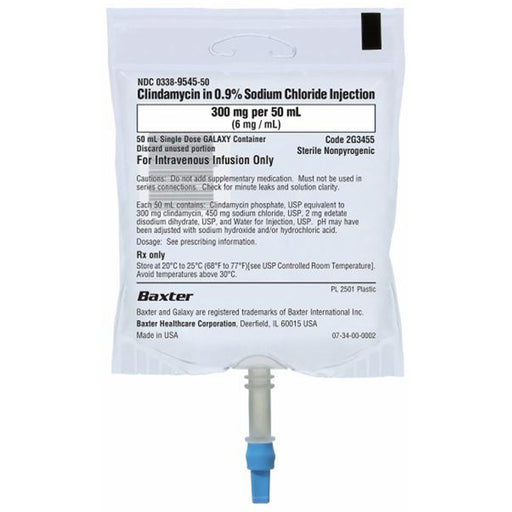
Multiple Convenient Forms: Available as Clindamycin oral capsules, oral solution, topical gel/lotion/solution, and intravenous (IV) or intramuscular (IM) injection for hospital or outpatient care.
-
Preferred for Penicillin Allergies: Excellent alternative for patients who cannot tolerate penicillin antibiotics.
-
Dentist Recommended: First choice for dental abscesses, oral infections, gum disease, and after oral surgery.
-
MRSA & Skin Infection Treatment: Leading antibiotic for cellulitis, abscesses, boils, and other drug-resistant skin and soft tissue infections.
Top Uses and Indications
-
Skin & Soft Tissue Infections: Cellulitis, abscess, impetigo, infected wounds, MRSA, boils.
-
Dental Infections: Tooth abscess, gum infections, periodontal disease, infection after tooth extraction or oral surgery.
-
Respiratory Infections: Sinusitis, pharyngitis, tonsillitis, aspiration pneumonia, lung abscess.
-
Bone & Joint Infections: Osteomyelitis, septic arthritis.
-
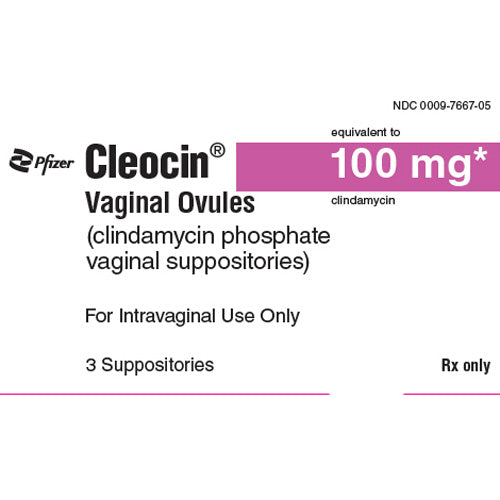
Pelvic & Gynecological Infections: Pelvic inflammatory disease (PID), endometritis, bacterial vaginosis.
-
Post-Surgical Prophylaxis: Prevention and treatment of deep tissue or surgical wound infections.
Key Benefits
-
Fast and Reliable Results: Most patients notice symptom improvement within 48-72 hours of starting therapy.
-
Broad Coverage: Effective for both common and drug-resistant infections (including community-acquired MRSA).
-
Well-Tolerated: Low risk of allergic reaction; minimal side effects when used as directed.
-
Versatile Dosing: Oral and IV/IM forms for outpatient and hospital care; topical solutions for acne and localized infections.
-
Pediatric and Adult Dosing: Safe for use in children and adults with dosing adjustments as needed.
Frequently Asked Questions
How long does Clindamycin take to work? Improvement in symptoms often occurs within 2–3 days; complete the full prescribed course even if you feel better.
Can Clindamycin treat tooth infections? Yes, it is highly effective for dental abscesses and oral infections, especially in those allergic to penicillin.
Is Clindamycin good for skin infections or MRSA? Absolutely. It’s a top choice for cellulitis, boils, and resistant staph infections.
Are there side effects? The most common are mild nausea or diarrhea. Severe side effects are rare—contact your doctor if you experience persistent stomach pain.
Do I need a prescription for Clindamycin? Yes, it is a prescription-only antibiotic—consult your doctor or dentist for the right treatment.
Get rapid, expert-level infection control with Clindamycin Antibiotic Medications—the top choice for doctors, dentists, and healthcare professionals. Trust FDA-approved, clinically proven Clindamycin for powerful, fast-acting relief from skin, dental, bone, and serious bacterial infections—order today for trusted results and better health.
 Skip to content