Skip to content
New users? Get 5% off on your first purchase.
Free US shipping over $100
New users? Get 5% off on your first purchase.
Free US shipping over $100

Added to your cart:

Cart subtotal

Alcohol Prep Pads Checkout Group Dynarex Medical Supplies, Gloves, Gauze & Syringes Surgical Skin Preparation Products Visiting Nurse Supplies Skin Preparation Products Wound Care Products Hyaluronic Acid (HA) Filler Emergency Kit Supplies Povidone Iodine Products Prep Pads and Swabsticks Topical Antibiotics Germicidal Wipes Personal Care and Hygiene Products Best Selling Products Fire Department Medical Supplies Oncology Supplies Sterile Medical Supplies Aesthetic Supplies, MedSpa Supplies & Cosmetic Surgery Supplies BD (Becton and Dickinson) Becton Dickinson Ascend Laboratories Products Bacterial Infection Medicines, Antibiotics & Drugs Burn Relief Products Burn Treatment Products Prescription Drugs and Medications Silver Sulfadiazine Cream Skin Infection Medications Veterinary Supplies Dialysis Center Supplies Physicians Supplies Cosmetic Surgery Supplies Disinfectants Emergency Medical Supplies (EMS Supplies) EMS Emergency Supplies Infection Control Products Operating Room Supplies Surgical Hand Scrubs Antimicrobial Soaps and Antibacterial Soaps Chlorhexidine Gluconate Skin Cleansers & Hand Wash Solution Hand Sanitizers Hibiclens Antimicrobial Skin Cleansers Mölnlycke Wound Care Products Soap College Health Center Products Hospice Care Supplies Hospital Medical Supplies Pediatric Care Supplies School Nurse Supplies Wound Care Clinic Supplies First Aid Supplies First Aid Supplies Wound Care Dressings Purdue Pharma Products Suture and Staple Removal Trays Major Rugby Labs Over-the-counter Drugs Skin Protectant Creams & Skin Barriers
Filters

Availability
Vendor
Collection
Tags

Topical Antiseptics

Topical Antiseptics

Best-Selling, Doctor-Recommended Topical Antiseptics for Infection Control, Wound Care, and Fast, Safe First Aid

Topical antiseptics are powerful, FDA-approved solutions, gels, ointments, and sprays used by healthcare professionals, first responders, and families to prevent infection, rapidly kill bacteria, fungi, and viruses, and accelerate wound healing. Essential for everything from cuts, scrapes, burns, and surgical incisions to chronic wounds, minor skin infections, and everyday first aid, these products deliver antiseptic protection for homes, hospitals, dental offices, schools, and travel.

Purpose

  • Infection Prevention: Kill or inhibit the growth of microorganisms (bacteria, viruses, fungi) at wound, skin, or surgical sites.
  • Wound Cleansing: Remove debris and pathogens from new and chronic wounds, burns, scrapes, and cuts.
  • First Aid & Emergency Use: Quick, easy germ protection for accidents, sports injuries, animal bites, and workplace incidents.
  • Pre-Surgical & Medical Prep: Sterilize skin before needles, surgeries, or medical device insertion.

Uses

  • Minor Cuts, Scrapes, and Abrasions
  • Burn Care (minor and moderate)
  • Infected Wounds, Abscesses, and Skin Ulcers
  • After Surgery (Incision Site Care)
  • Chronic Wound & Ulcer Management (diabetic foot, pressure ulcers)
  • First Aid for Sports Injuries, Playground, or Work Accidents
  • Animal and Insect Bites
  • Piercing and Tattoo Care
  • Hand Hygiene (antiseptic hand gel, foam, or wipes)
  • Dental Surgery, Oral Lesion Rinse
  • Pre-injection and Pre-op Skin Prep

Types & Popular Brands

Types:

  • Antiseptic Solutions: Hydrogen peroxide, povidone-iodine (Betadine®), chlorhexidine gluconate, ethyl alcohol/isopropyl alcohol (70–90%)
  • Antiseptic Creams/Ointments: Neomycin-polymyxin-bacitracin triple antibiotic, bacitracin, mupirocin
  • Antiseptic Sprays & Foams: Bactine® (benzalkonium chloride, lidocaine), alcohol-based antiseptics
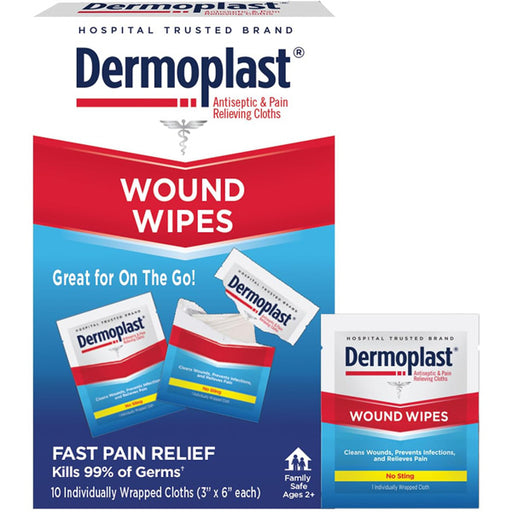
  • Antiseptic Wipes & Swabs: Individual, portable packs for first aid, travel, and on-the-go use
  • Chlorhexidine Swabsticks: For pre-injection/pre-surgery skin sterilization

Popular Brands:

  • Betadine® (povidone-iodine)
  • Bactine® Max
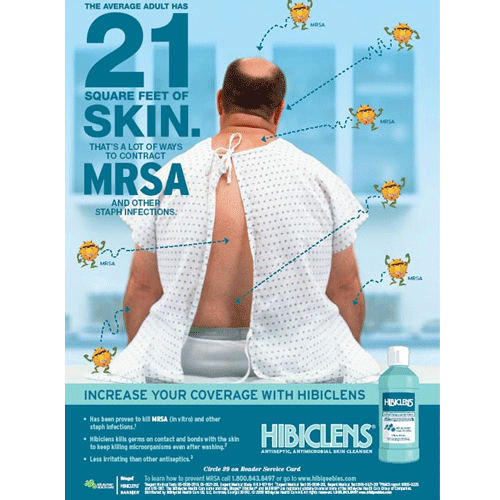
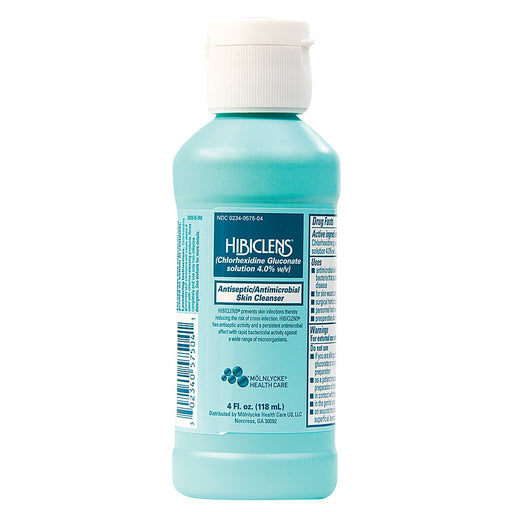
  • Hibiclens® (chlorhexidine gluconate)
  • Neosporin® (triple antibiotic)
  • Hydrogen Peroxide (various brands)
  • Curad®, Band-Aid® (first aid prep pads, wipes)
  • Alcare®, Purell® (hand antiseptics)
  • Dynarex®, Medline® (hospital and EMS supply)

Strengths

  • Povidone-Iodine: 5%–10% solutions, swabsticks, foams, surgical scrubs
  • Chlorhexidine: 2%–4% liquid, foam, pre-saturated swab
  • Hydrogen Peroxide: 3% solution (common OTC), higher concentrations for clinical use
  • Alcohol-Based: 70%–91% isopropyl/ethyl alcohol for rapid-action
  • Triple Antibiotic Creams: Neomycin 3.5 mg/g, Polymyxin B 5,000 u/g, Bacitracin 400 u/g
  • Mupirocin Cream/Ointment: Rx 2% strength

Precautions

  • For External Use Only: Not for deep, puncture, severe, or animal bites (unless directed); avoid eyes, mouth, and mucous membranes except as labeled.
  • Allergy Alert: Iodine, neomycin, and chlorhexidine can cause allergic reactions—discontinue if rash, redness, or swelling appears.
  • Do Not Overuse: Prolonged or repeated use can irritate skin or delay healing—use only as needed/directed.
  • Avoid on Large Open Wounds: Heavy use of iodine, hydrogen peroxide, or alcohol may damage tissue or delay wound healing on large areas.
  • Systemic Absorption Risk: Topical antiseptics can be absorbed through broken skin, especially in children or burns—use with caution as directed by a healthcare professional.
  • Antibiotic Resistance: Limit use of antibiotic ointments; do not use as an everyday routine unless risk of infection is high.
  • Flammability: Alcohol-based products are flammable—keep away from heat, sparks, or open flame.
  • Pregnancy & Pediatrics: Some iodine/chlorhexidine products may not be recommended for neonates, pregnant or breastfeeding women—use under professional advice.

Protect and heal with the world’s best Topical Antiseptics—doctor-recommended, hospital-trusted, and clinically proven for wound care, burn first aid, infection prevention, and skin healing. Shop Betadine®, Hibiclens®, Bactine®, Neosporin®, and specialty pharmacy brands for solution, spray, cream, wipes, and gel. Order online now for fast, safe, and effective infection control for every home, clinic, hospital, school, or first aid kit!

Topical Antiseptics

Best-Selling, Doctor-Recommended Topical Antiseptics for Infection Control, Wound Care, and Fast, Safe First Aid

Topical antiseptics are powerful, FDA-approved solutions, gels, ointments, and sprays used by healthcare professionals, first responders, and families to prevent infection, rapidly kill bacteria, fungi, and viruses, and accelerate wound healing. Essential for everything from cuts, scrapes, burns, and surgical incisions to chronic wounds, minor skin infections, and everyday first aid, these products deliver antiseptic protection for homes, hospitals, dental offices, schools, and travel.

Purpose

  • Infection Prevention: Kill or inhibit the growth of microorganisms (bacteria, viruses, fungi) at wound, skin, or surgical sites.
  • Wound Cleansing: Remove debris and pathogens from new and chronic wounds, burns, scrapes, and cuts.
  • First Aid & Emergency Use: Quick, easy germ protection for accidents, sports injuries, animal bites, and workplace incidents.
  • Pre-Surgical & Medical Prep: Sterilize skin before needles, surgeries, or medical device insertion.

Uses

  • Minor Cuts, Scrapes, and Abrasions
  • Burn Care (minor and moderate)
  • Infected Wounds, Abscesses, and Skin Ulcers
  • After Surgery (Incision Site Care)
  • Chronic Wound & Ulcer Management (diabetic foot, pressure ulcers)
  • First Aid for Sports Injuries, Playground, or Work Accidents
  • Animal and Insect Bites
  • Piercing and Tattoo Care
  • Hand Hygiene (antiseptic hand gel, foam, or wipes)
  • Dental Surgery, Oral Lesion Rinse
  • Pre-injection and Pre-op Skin Prep

Types & Popular Brands

Types:

  • Antiseptic Solutions: Hydrogen peroxide, povidone-iodine (Betadine®), chlorhexidine gluconate, ethyl alcohol/isopropyl alcohol (70–90%)
  • Antiseptic Creams/Ointments: Neomycin-polymyxin-bacitracin triple antibiotic, bacitracin, mupirocin
  • Antiseptic Sprays & Foams: Bactine® (benzalkonium chloride, lidocaine), alcohol-based antiseptics
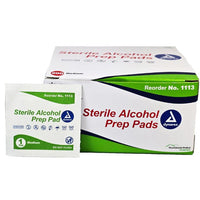
  • Antiseptic Wipes & Swabs: Individual, portable packs for first aid, travel, and on-the-go use
  • Chlorhexidine Swabsticks: For pre-injection/pre-surgery skin sterilization

Popular Brands:

  • Betadine® (povidone-iodine)
  • Bactine® Max
  • Hibiclens® (chlorhexidine gluconate)
  • Neosporin® (triple antibiotic)
  • Hydrogen Peroxide (various brands)
  • Curad®, Band-Aid® (first aid prep pads, wipes)
  • Alcare®, Purell® (hand antiseptics)
  • Dynarex®, Medline® (hospital and EMS supply)

Strengths

  • Povidone-Iodine: 5%–10% solutions, swabsticks, foams, surgical scrubs
  • Chlorhexidine: 2%–4% liquid, foam, pre-saturated swab
  • Hydrogen Peroxide: 3% solution (common OTC), higher concentrations for clinical use
  • Alcohol-Based: 70%–91% isopropyl/ethyl alcohol for rapid-action
  • Triple Antibiotic Creams: Neomycin 3.5 mg/g, Polymyxin B 5,000 u/g, Bacitracin 400 u/g
  • Mupirocin Cream/Ointment: Rx 2% strength

Precautions

  • For External Use Only: Not for deep, puncture, severe, or animal bites (unless directed); avoid eyes, mouth, and mucous membranes except as labeled.
  • Allergy Alert: Iodine, neomycin, and chlorhexidine can cause allergic reactions—discontinue if rash, redness, or swelling appears.
  • Do Not Overuse: Prolonged or repeated use can irritate skin or delay healing—use only as needed/directed.
  • Avoid on Large Open Wounds: Heavy use of iodine, hydrogen peroxide, or alcohol may damage tissue or delay wound healing on large areas.
  • Systemic Absorption Risk: Topical antiseptics can be absorbed through broken skin, especially in children or burns—use with caution as directed by a healthcare professional.
  • Antibiotic Resistance: Limit use of antibiotic ointments; do not use as an everyday routine unless risk of infection is high.
  • Flammability: Alcohol-based products are flammable—keep away from heat, sparks, or open flame.
  • Pregnancy & Pediatrics: Some iodine/chlorhexidine products may not be recommended for neonates, pregnant or breastfeeding women—use under professional advice.

Protect and heal with the world’s best Topical Antiseptics—doctor-recommended, hospital-trusted, and clinically proven for wound care, burn first aid, infection prevention, and skin healing. Shop Betadine®, Hibiclens®, Bactine®, Neosporin®, and specialty pharmacy brands for solution, spray, cream, wipes, and gel. Order online now for fast, safe, and effective infection control for every home, clinic, hospital, school, or first aid kit!

Topical Antiseptics Information

What are Topical Antiseptics:

Topical antiseptics are substances applied to the skin to prevent or reduce the risk of infection by inhibiting the growth of microorganisms. They are commonly used to clean wounds, cuts, and abrasions, and before surgical procedures or injections to disinfect the skin.

Some commonly used topical antiseptics include:

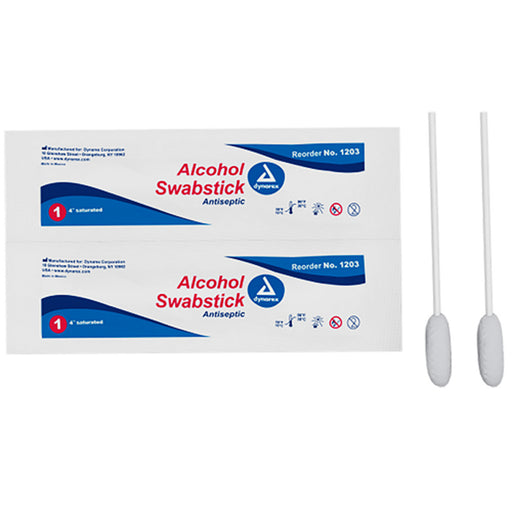
Alcohol: Often used in swabs and wipes for quick disinfection.
Chlorhexidine: Available in solutions and wipes, used for skin cleaning and pre-surgical preparation.
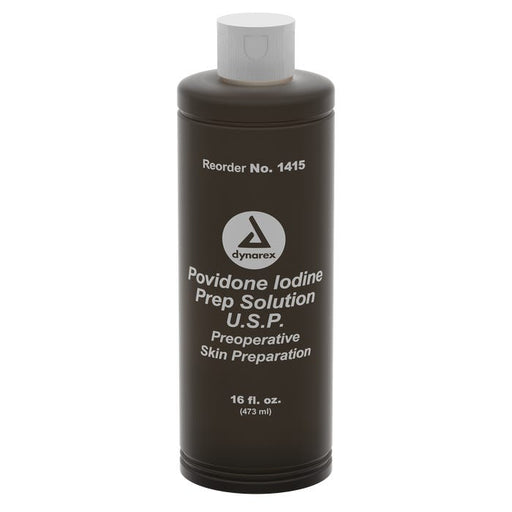
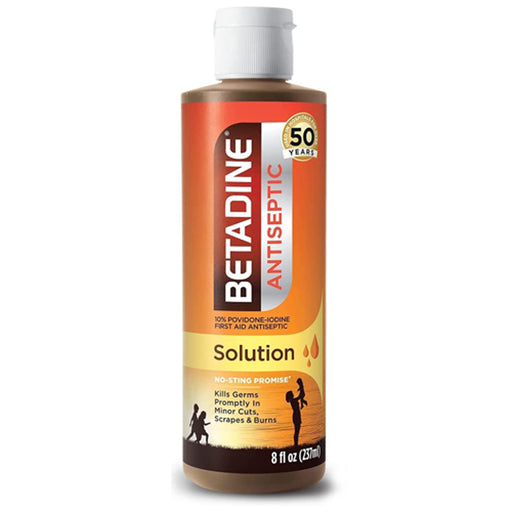
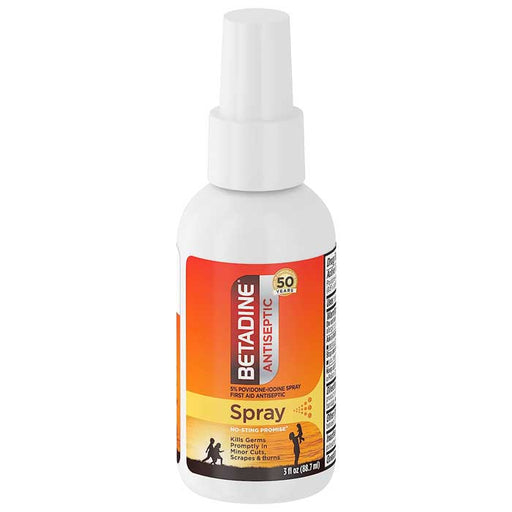
Povidone-Iodine: Known as Betadine, used for wound cleaning and as a pre-surgical antiseptic.
Hydrogen Peroxide: Used for cleaning wounds; it releases oxygen and helps remove debris.
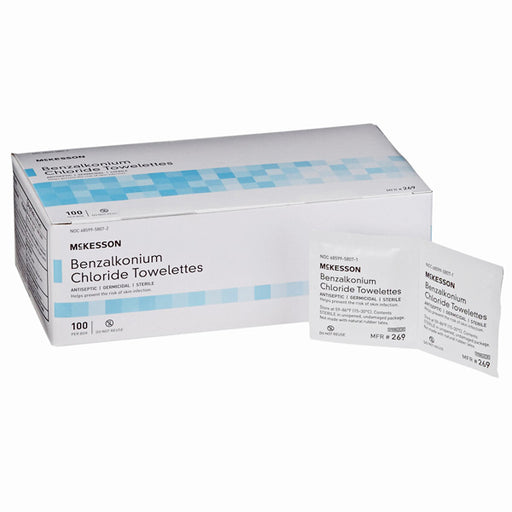
Benzalkonium Chloride: Found in various first aid products; used for cuts and abrasions.

These agents are designed for external use only and should be used as directed to prevent irritation or damage to healthy skin. If an infection is suspected, it's crucial to seek medical advice.

How do Topical Antiseptics Work:

Topical antiseptics work by killing or inhibiting the growth of microorganisms on the skin or in wounds. Here's how they generally function:

Cell Membrane Disruption: Many antiseptics, like alcohols and chlorhexidine, disrupt the cell membranes of bacteria, causing cell contents to leak and the cell to die.
Protein Denaturation: Substances like alcohols and phenolics denature proteins, leading to the inactivation of essential enzymes and structural proteins in microorganisms.
Oxidation: Agents like hydrogen peroxide produce free radicals that oxidize and damage cell components, leading to microorganism death.
Iodination: Iodine-based antiseptics work by iodinating and oxidizing microbial components, particularly targeting the amino acids and nucleotides.
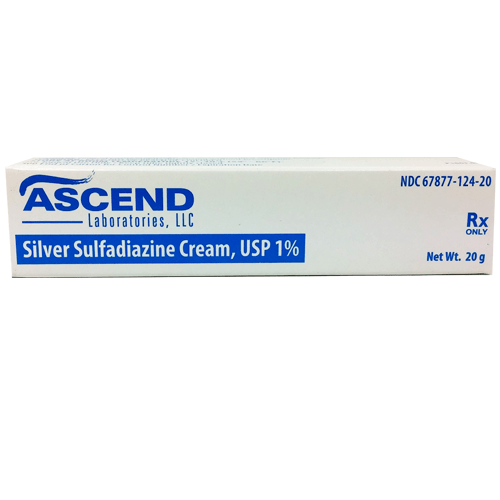
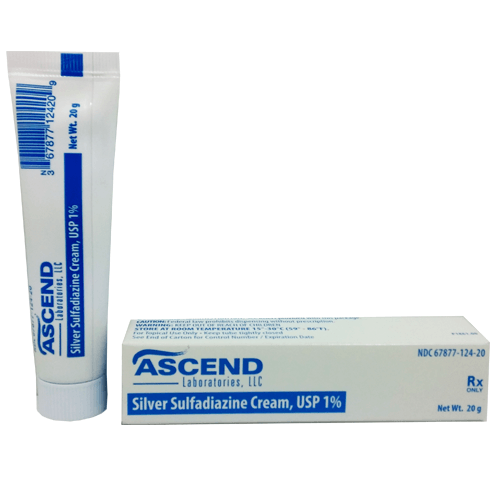
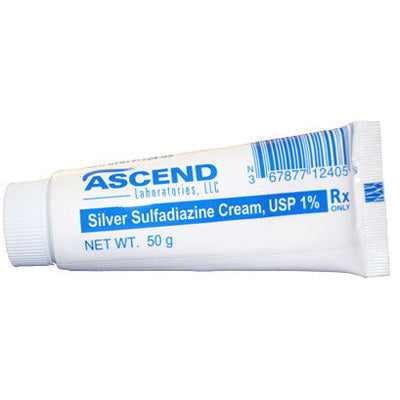
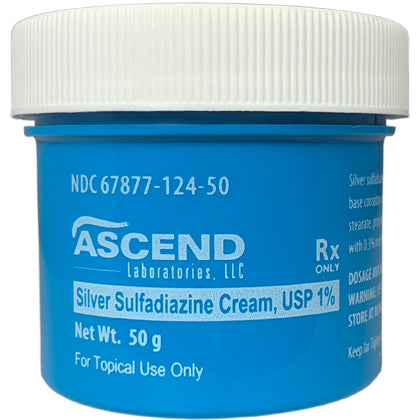
Enzyme Inhibition: Certain compounds, such as silver sulfadiazine, inhibit enzymes that are crucial for microbial metabolism and replication.

By targeting essential components of microbial cells, topical antiseptics prevent infections and promote healing.

When Should You Use Topical Antiseptics:

Topical antiseptics should be used in situations where there's a risk of infection on the skin, such as:

Cleaning Wounds: For cuts, scrapes, and abrasions to prevent bacterial infection.
Pre-surgical Preparation: To disinfect the skin before surgery or medical procedures.
Minor Burns: To reduce the risk of infection on the affected area.
Insect Bites: To clean and reduce the chance of infection.
Piercing and Tattoo Care: To maintain cleanliness and reduce infection risks after getting a new piercing or tattoo.

While topical antiseptics can be effective, they should be used as directed to avoid irritation or damage to healthy skin. If a wound shows signs of infection, such as increased redness, swelling, or pus, it's important to seek medical attention.


Get Notified When Back in Stock