Adrenalin Injection
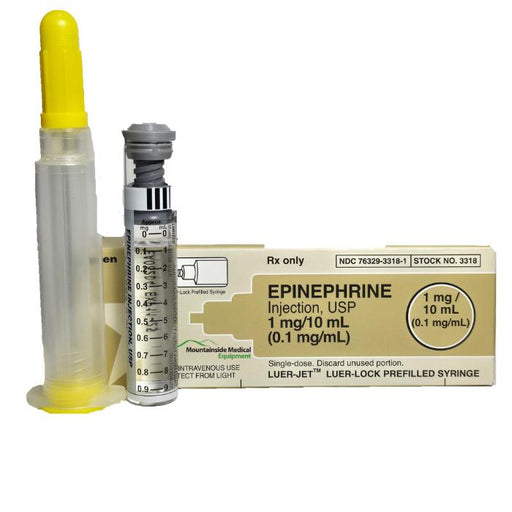
Adrenaline injection (the injectable form of epinephrine) is a clear, colorless solution (typically 1 mg/mL, often labeled 1:1000) used in acute, life-threatening emergencies. It is a powerful non-selective α/β adrenergic agonist that rapidly stimulates the heart, constricts blood vessels, and opens airways. In practice, a single dose dramatically increases heart rate, cardiac output, and blood pressure, and dilates bronchial airways – precisely counteracting the vasodilation, edema, and bronchospasm of anaphylaxis. Adrenaline injection is indicated for: emergency allergic reactions (anaphylaxis), certain shock states (e.g. refractory hypotension in septic shock), severe asthma or upper airway obstruction when other measures fail, and as a vasopressor in cardiac arrest.
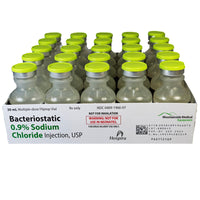
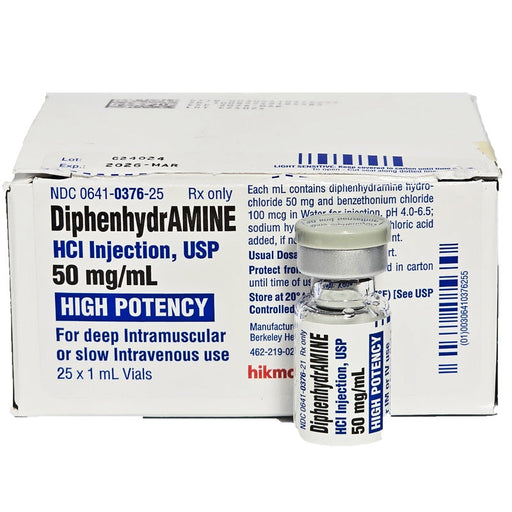
25 vials per pack
Mechanism of Action
Adrenaline binds to α- and β-adrenergic receptors throughout the body. Its effects are dose-dependent:
-
α₁-adrenergic effects: Vasoconstriction of arterioles → ↑ peripheral vascular resistance and ↑ blood pressure. This also reduces tissue edema (e.g. in the larynx during anaphylaxis).
-
β₁-adrenergic effects: Positive chronotropy (↑ heart rate) and inotropy (↑ myocardial contractility), raising cardiac output.
-
β₂-adrenergic effects: Bronchodilation (relaxes smooth muscle in airways) and dilation of skeletal muscle vessels. β₂ activation also stabilizes mast cells and basophils, reducing release of allergic mediators (histamine, leukotrienes).
-
Other effects: Pupil dilation and metabolic effects (e.g. ↑ blood glucose via glycogenolysis).
At low doses, β₁/β₂ effects (heart and lung) dominate; at higher doses, intense α-mediated vasoconstriction predominates. These combined actions make adrenaline extremely effective for reversing anaphylactic shock and airway collapse.
Therapeutic Uses
Adrenaline injection is primarily used in life-threatening situations:
-
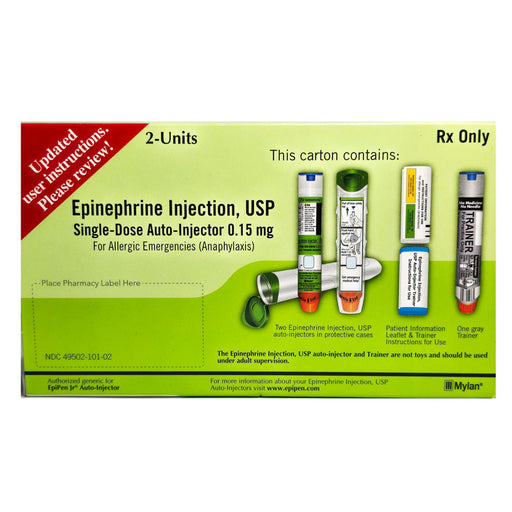
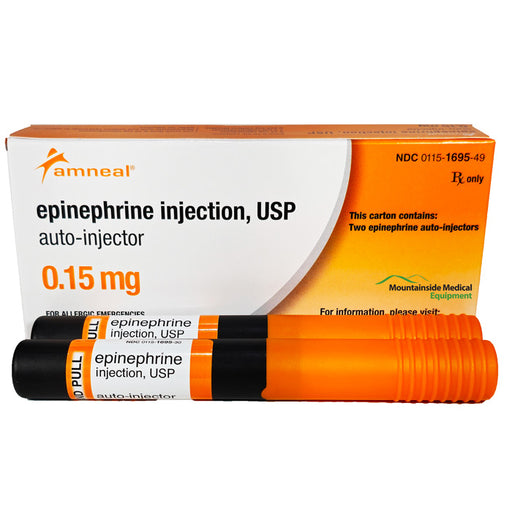
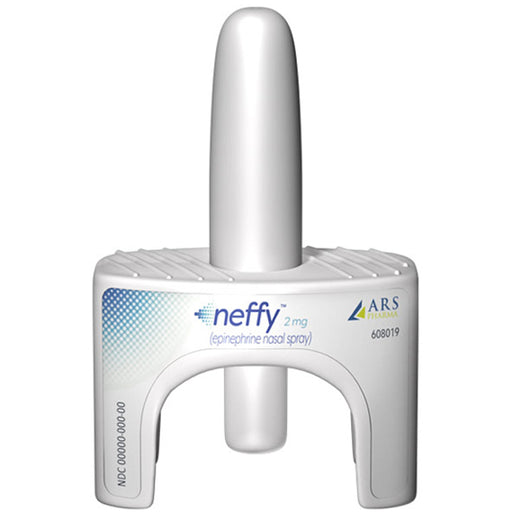
Anaphylaxis (Type I severe allergy): First-line treatment for severe allergic reactions (food, insect stings, drugs, etc.). IM adrenaline quickly reverses bronchospasm, vascular leak, and hypotension. It is often given in consumable autoinjectors (0.15–0.5 mg doses) so patients or caregivers can self-administer immediately.
-
Cardiac arrest: Advanced cardiac life support (ACLS) guidelines call for IV/IO adrenaline 1 mg every 3–5 minutes during resuscitation (for all monitored rhythms). This peripheral vasoconstriction raises coronary perfusion pressure to improve chances of return of spontaneous circulation.
-
Severe hypotension or shock: In cases like septic shock refractory to fluid and other vasopressors, dilute IV adrenaline infusion (e.g. 0.05–2 μg/kg/min) can be used to raise mean arterial pressure. Adrenaline’s α₁-effects help constrict dilated vessels and support blood pressure.
-
Bronchospasm/Croup: Historically, adrenaline injections (or nebulized epinephrine) were used for severe asthma or airway edema. While inhaled β₂-agonists (e.g. albuterol) are preferred, injectable epinephrine is still an option in life-threatening bronchospasm.
-
Adjunct in anesthesia/local procedures: Small amounts of epinephrine are often mixed with local anesthetics (e.g. lidocaine) to prolong anesthesia and reduce bleeding (by vasoconstriction). Note: This is a pharmacologic use of adrenaline but in very small doses compared to emergency bolus dosing.
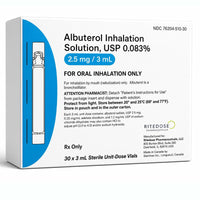
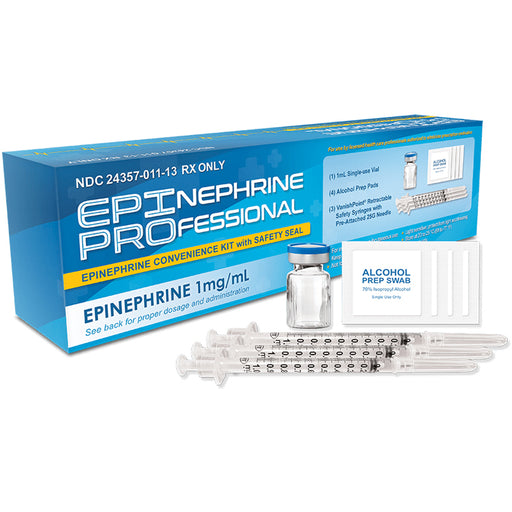
Dosage form: Standard adrenaline injection comes as a 1 mg/mL solution (see Fig. below). Lower-concentration ampules (1:10,000 or 0.1 mg/mL) are used for IV infusions in hospitals.
Administration and Dosage
-
Intramuscular (IM) injection: The preferred route for community management of anaphylaxis. Injection is usually into the anterolateral thigh (vastus lateralis muscle), which provides rapid absorption. Hold the leg still and press firmly. Autoinjectors (e.g. EpiPen, Jext) contain a fixed dose (0.15 mg pediatric or 0.3 mg adult) in a spring-loaded syringe for easy use. After injection, masses of evidence suggest most epinephrine is absorbed quickly IM, far faster than SC or inhaled routes.
-
IV injection/infusion: Used only under medical supervision (e.g. hospital/ICU). For cardiac arrest, give 1 mg IV/IO as a bolus every 3–5 minutes. For hypotensive shock, dilute the adrenaline (for example: 0.1 mg/mL) and titrate an infusion slowly to effect.
-
Dosing examples: Anaphylaxis – Adults: 0.3–0.5 mg (0.3–0.5 mL of 1:1000) IM; repeat every 5–10 minutes as needed. Children (<30 kg): 0.01 mg/kg (up to ~0.3 mg) IM. Cardiac arrest – Adults: 1 mg IV every CPR cycle (~3–5 min). (Dosing in clinical emergencies should always follow current guidelines or physician orders.)
-
Special situations: Pregnant patients receive epinephrine doses identical to non-pregnant patients in anaphylaxis. Pregnancy and lactation are not contraindications to epinephrine in emergencies because untreated anaphylaxis or shock is far more dangerous to mother and fetus.
Side Effects and Precautions
Because adrenaline is so powerful, side effects are common and reflect its physiological effects:
-
Cardiovascular: Fast heart rate (tachycardia), palpitations, hypertension. Risk of arrhythmias or myocardial ischemia (angina) is increased, particularly in patients with coronary artery disease. Monitor heart rhythm and blood pressure closely during IV use.
-
CNS/Other: Anxiety, tremor, headache, dizziness – these “adrenaline rush” symptoms often accompany therapeutic doses. Sweating and pallor may also occur.
-
Injection-related hazards: ● Tissue necrosis: Injecting adrenaline into small arteries (as in fingers, toes, penis, etc.) can cause severe ischemic injury. Never inject epinephrine into digits or extremities. Likewise, avoid extravasation of IV epinephrine (if leakage occurs, treat promptly to prevent injury).
-
Allergic potential: Paradoxically, some epinephrine injection preparations contain sulfite preservatives (e.g. sodium metabisulfite). In sulfite-sensitive individuals, this can trigger mild allergic reactions, but this risk is usually outweighed by the need to treat anaphylaxis.
-
Metabolic: Epinephrine can raise blood glucose (glycogenolysis) and lower serum potassium; these effects are usually transient. Use with caution (and frequent glucose checks) in diabetics.
-
Other precautions: Use caution if the patient has hyperthyroidism (adrenergic sensitivity), hypertension, or narrow-angle glaucoma. Medication interactions: β-blockers can block epinephrine’s effects (and even cause paradoxical worsening; glucagon may be needed). Tricyclic antidepressants or MAO inhibitors potentiate epinephrine.
Administration warnings: Ensure the correct route and dose. Do not inject into the buttocks, hand, or feet Inject only into recommended muscle (outer thigh) or vein. For autoinjectors, follow the device instructions carefully: press hard against the thigh until it clicks and hold for 3–10 seconds as directed. If giving additional doses, reassess the patient’s status each time. After any emergency use of epinephrine, the patient still needs urgent medical evaluation.
Disclaimer: This summary is for informational purposes only. Exact dosing and use of adrenaline injection should follow medical protocols and prescribing information. Consult healthcare professionals or official guidelines for clinical decisions.
 Skip to content