Skip to content
Free US shipping over $100

Strep Throat Test Kits

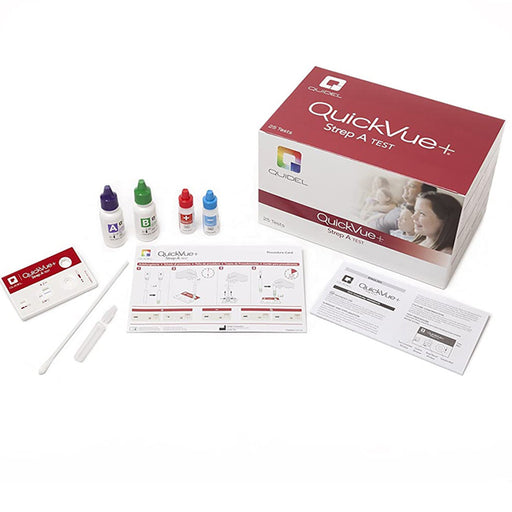
Strep Throat Test Kits are used to diagnose streptococcal pharyngitis, commonly known as strep throat, a bacterial infection caused by Streptococcus pyogenes. These supplies typically include rapid antigen detection tests (RADTs), which provide quick results, and sometimes culture swabs for confirmatory laboratory testing. The rapid tests detect the presence of antigens specific to the streptococcal bacteria, helping healthcare providers quickly determine the appropriate treatment plan, usually antibiotics, to reduce the duration and severity of symptoms and the risk of complications or transmission to others.

Strep Throat Test Kits – Fast, Reliable, and Accurate At-Home Diagnosis

Discover the best Strep Throat Test Kits for fast, convenient, and reliable at-home results. Eliminate doubt and get a clinical-grade diagnosis for Group A Streptococcus infection in just minutes!

Order your Strep Throat Test Kit today for peace of mind, rapid answers, and safer health choices for your family! Perfect for parents, teachers, travelers, and anyone seeking prompt sore throat answers!

Don’t Wait—Test, Treat, and Protect Your Family Now!

FAQs About Strep Throat Test Kits
  • What is Strep Throat?

    Strep throat is a bacterial infection of the throat and tonsils caused by the bacteria Streptococcus pyogenes, also known as Group A Streptococcus. It is most common in children but can affect people of any age. Strep throat spreads easily through respiratory droplets when an infected person coughs or sneezes, or by touching contaminated surfaces and then touching the mouth or nose.

  • What are Symptoms of Strep Throat?

    Sore throat that starts suddenly and is often severe Pain when swallowing Red and swollen tonsils, sometimes with white patches or streaks of pus Tiny red spots (petechiae) on the roof of the mouth Fever Swollen lymph nodes in the neck Headache, nausea, or vomiting (especially in children) Sometimes a rash (known as scarlet fever)

  • How to Treat Strep Throat?

    Strep throat is treated with antibiotics, usually penicillin or amoxicillin. Completing the full course is important to: Shorten the duration of illness Prevent complications (like rheumatic fever, kidney inflammation) Reduce the risk of spreading the bacteria to others

  • Why is It Important to Treat Strep Throat?

    If left untreated, strep throat can lead to serious complications, including: Rheumatic fever (which can damage the heart valves) Kidney problems (post-streptococcal glomerulonephritis) Spread of infection to other parts of the body

  • When to See a Doctor

    Seek medical attention if you or your child has: A sore throat with fever that lasts more than 48 hours Difficulty breathing or swallowing Persistent or severe symptoms
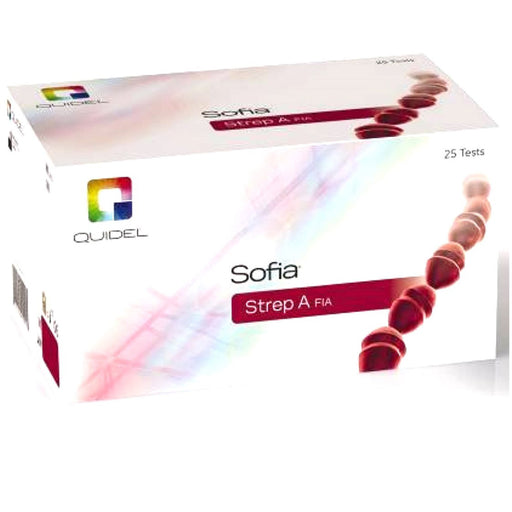
  • What is a Strep Throat Test Kits?

    Strep throat test kits are diagnostic tools used to detect the presence of Group A Streptococcus bacteria (Streptococcus pyogenes), the organism responsible for most cases of strep throat. These kits are commonly used in clinics, doctor’s offices, schools, and sometimes pharmacies to quickly determine if a sore throat is caused by streptococcal bacteria versus a viral infection.

  • Types of Strep Throat Test Kits

    1. Rapid Antigen Detection Test (RADT) How it works: A quick throat swab is taken, and the kit detects streptococcal antigens (proteins unique to Group A Strep). Result time: 5–15 minutes. Advantages: Quick and easy; results available during the patient’s visit. Limitations: May not catch all cases—false negatives can occur, especially when bacterial levels are low. 2. Throat Culture Kits How it works: A throat swab is collected and placed in a culture medium. The sample is sent to a laboratory, where bacteria are allowed to grow. Result time: 24–48 hours. Advantages: More sensitive and accurate; gold standard for diagnosis. Limitations: Results are not immediate.

  • How to Use a Strep Throat Test Kit

    Swab the back of the throat and tonsils (avoiding touching the tongue, teeth, or cheeks). Process the swab using the test kit’s instructions—mixing it with a reagent or placing it in a culture medium. Read the results—a positive rapid test will show a line/color change, while a culture will be examined for bacterial growth in the lab.

  • Why Use Strep Throat Test Kits?

    To quickly identify if a sore throat is due to Group A Streptococcus. To help guide appropriate antibiotic use—antibiotics are only needed for bacterial (not viral) infections. To prevent complications such as rheumatic fever, kidney disease, and spread to others.

  • Who Should Be Tested?

    Individuals (especially children or teens) with: Sudden, severe sore throat Fever Red/swollen tonsils with or without pus Swollen, tender neck lymph nodes

  • What Should You NOT Do Before a Strep Test?

    To ensure accurate results, do not eat, drink, brush your teeth, use mouthwash, or chew gum for at least 30 minutes before using your strep test kit. These actions can dilute or alter the sample, increasing the risk of a false negative strep test. Swabbing is best done before consuming anything or after a period of rest.

  • What Causes False Negative Strep Tests?

    False negatives can happen due to: Improper swabbing or insufficient sample collection Testing too early or late in the infection Recent antibiotic use Eating/drinking/mouth cleaning before testing Poor storage of the test kit

  • When is the Best Time to Test for Strep?

    The best time to test for strep throat is within 24-48 hours of symptom onset (fever, sore throat, white spots, swollen tonsils, or red throat). Early detection helps prevent complications and spread.

  • How Long Should You Stay Home After Testing Positive for Strep Throat?

    Stay home for at least 24 hours after starting antibiotics and until you are fever-free. This minimizes transmission and speeds up recovery. Quarantine period for strep throat is usually 24 hours post-antibiotics, but follow your healthcare provider’s guidance.

  • Risks of Using an OTC Strep Test

    False negatives/positives: Incorrect technique or timing can impact accuracy. Delayed Diagnosis: Negative results could miss other serious infections. Misinterpretation: Always consult a healthcare provider if symptoms persist or worsen.

  • Do’s and Don’ts of Strep Throat

    Do: Rest and hydrate Take prescribed antibiotics Isolate as directed Don’t: Share utensils or drinks Return to school/work too soon Ignore severe symptoms (seek medical help)

  • Can I Brush My Teeth Before a Strep Test?

    A common question! Do NOT brush your teeth or use mouthwash before a strep test. This can wash away or dilute bacteria, leading to an inaccurate or false negative result.

  • What Illness Mimics Strep Throat?

    Strep throat is often confused with: Viral pharyngitis Mononucleosis (Mono) Allergic reactions Tonsillitis from other causes If your rapid strep test is negative but symptoms persist, consult your doctor for further assessment!

  • How to Stop Being a Strep Carrier?

    To stop chronic strep carriage: Complete your full antibiotic treatment, even if symptoms improve. Practice good hand hygiene. Avoid close contact with infected individuals. Replace your toothbrush after recovery.