 Skip to content




Exploring the Uses and Longevity of Bacteriostatic Sodium Chloride Injection
In the realm of medical care and pharmaceutical accuracy, solutions like Bacteriostatic Sodium Chloride Injection stand out for their indispensable roles. Known for ensuring the safe and effective administration of injectable medications, Bacteriostatic Sodium Chloride, particularly when used alongside Pfizer Injectables, brings both versatility and reliability to healthcare professionals. In this comprehensive blog post, we will delve into the multifaceted uses, enduring benefits, and the nuances that make Bacteriostatic Sodium Chloride Injection an essential component in medical settings.
Understanding Bacteriostatic Sodium Chloride
Bacteriostatic Sodium Chloride is quite different from typical aqueous solutions. It is designed specifically for inhibiting the growth of bacteria, making it a reliable option in various medical applications where sterility and longevity are critical. This is achieved by the presence of bacteriostatic agents which help maintain the solution's effectiveness and safety over multiple uses.
The Role in Pfizer Injectables
Pfizer Injectables embodies a suite of products that cater to a vast array of medicinal and therapeutic needs. Within this framework, Bacteriostatic Sodium Chloride Injection plays an integral role by serving as a diluent for powdered drugs and an additive to intravenous bags, facilitating the precise delivery of medication.
Key Uses of Bacteriostatic Sodium Chloride Injection
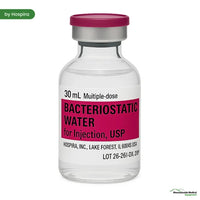
- Multi-Dose Vials: This solution supports repeated withdrawals for multi-dose vials. The bacteriostatic agent ensures that contamination is minimized, significantly extending the usability of these vials.
- Medication Dilution: It serves as a diluent for medications that require instillation before administration. This is crucial for ensuring that precise concentrations of medication can be delivered safely.
- Reconstitution of Medications: Critical in the preparation and mixing of powder-form drugs for therapeutic purposes, Bacteriostatic Sodium Chloride Injection ensures the sterile reconstitution essential for effective patient treatments.
Long-lasting Efficacy
One notable feature of Bacteriostatic Sodium Chloride is its longevity. This aspect is especially beneficial in settings where multiple doses are required over a span of time. By inhibiting bacterial growth, this formulation sustains its sterility and effectiveness far longer than standard solutions.
Quality and Precision with Fresenius USA
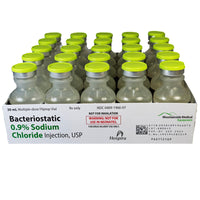
When focusing on quality and precision, the Bacteriostatic Sodium Chloride 0.9% for Injection, 10 mL, 25/Pack by Fresenius USA rises to the occasion. Elevate your medical practice with a solution that doesn't just meet standards but ensures optimal delivery of injectable medications. Each pack contains 25 vials of 10 mL, specifically designed for healthcare settings where meticulous care is paramount. This product consolidates Bacteriostatic Sodium Chloride's reputation for reliability and efficiency.
Exploring Product Collection
For those interested in exploring a broader range of products, the Bacteriostatic Sodium Chloride Injections collection offers a curated selection of solutions tailored for diverse healthcare applications.
Conclusion
Through its collaboration with Pfizer Injectables and its inherent stability and sterility, Bacteriostatic Sodium Chloride Injection has proved itself to be a cornerstone in medical applications that require extended use and precision. Its role in multi-dose vials, medication dilution, and reconstitution of drugs underscores its value, making it an asset for healthcare professionals focused on delivering superior patient care.
For further exploration of Bacteriostatic Sodium Chloride products and usage, visit Mountainside Medical and enhance your practice with solutions that prioritize safety, efficacy, and reliability.