 Skip to content











Filters
- antifungal cream (2)
- fungal infection (1)
- jock itch (1)
- Jock Itch Treatment (1)
- ring worm (1)
- ringworm (1)
- skin fungus (1)
- tolnaftate (4)
- Tolnaftate 1% (2)
- Antifungal (3)
- Antifungal cream for skin (1)
- Antifungal Treatment (2)
- athlete's foot (2)
- Athlete’s foot treatment (1)
- Best antifungal cream (1)
- Fungal infection treatment (1)
- Jock itch cream (1)
- Over-the-counter antifungal (1)
- Relieve itching (1)
- Ringworm cream (1)
- Skin fungus cure (1)
- Tinactin (1)
- Tolnaftate Cream (1)
- 1607 (1)
- Coloplast (1)
- Fungal Infections (1)
- miconazole nitrate 2 (1)
- Moisture barrier (1)
- treat fungal infections (1)
- Wick Away Moisture (1)
- Antifungal Medication (1)
- Antifungal Nail (1)
- Funginail (1)
- Kills Fungas (1)
- Nail Care (1)
- Nail Fungas (1)
- Nails (1)
- Pen Applicator (1)
- foot fungas (1)
- foot ointment (1)
- Kramer Laboratories (1)
- nail fungas (1)
- toe fungus (1)
- Undecylenic Acid (1)
- Zinc Undecylenate (1)
- baby powder (1)
- Body powder (1)
- Foot (1)
- Foot Odor (1)
- Foot Powder (1)
- Gold Bond (1)
- Gold Bond Foot Powder (1)
- Gold Bond Powder (1)
- Medicated (1)
- Medicated Foot Powder (1)
- Medicated Powder (1)
- Talc Free (1)
Filters
- antifungal cream (2)
- fungal infection (1)
- jock itch (1)
- Jock Itch Treatment (1)
- ring worm (1)
- ringworm (1)
- skin fungus (1)
- tolnaftate (4)
- Tolnaftate 1% (2)
- Antifungal (3)
- Antifungal cream for skin (1)
- Antifungal Treatment (2)
- athlete's foot (2)
- Athlete’s foot treatment (1)
- Best antifungal cream (1)
- Fungal infection treatment (1)
- Jock itch cream (1)
- Over-the-counter antifungal (1)
- Relieve itching (1)
- Ringworm cream (1)
- Skin fungus cure (1)
- Tinactin (1)
- Tolnaftate Cream (1)
- 1607 (1)
- Coloplast (1)
- Fungal Infections (1)
- miconazole nitrate 2 (1)
- Moisture barrier (1)
- treat fungal infections (1)
- Wick Away Moisture (1)
- Antifungal Medication (1)
- Antifungal Nail (1)
- Funginail (1)
- Kills Fungas (1)
- Nail Care (1)
- Nail Fungas (1)
- Nails (1)
- Pen Applicator (1)
- foot fungas (1)
- foot ointment (1)
- Kramer Laboratories (1)
- nail fungas (1)
- toe fungus (1)
- Undecylenic Acid (1)
- Zinc Undecylenate (1)
- baby powder (1)
- Body powder (1)
- Foot (1)
- Foot Odor (1)
- Foot Powder (1)
- Gold Bond (1)
- Gold Bond Foot Powder (1)
- Gold Bond Powder (1)
- Medicated (1)
- Medicated Foot Powder (1)
- Medicated Powder (1)
- Talc Free (1)
Tolnaftate Creams, Powders, Sprays
-
 Sale 32%
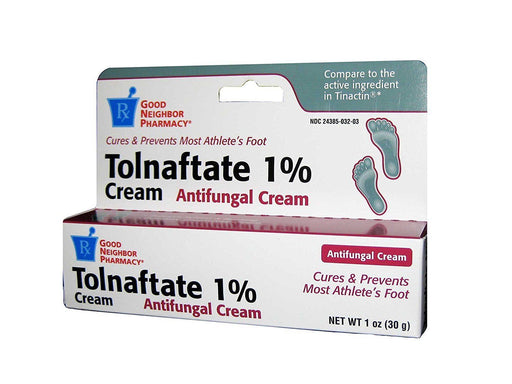
Tolnaftate 1% Antifungal Cream 1 oz by Trifecta Pharmaceuticals
1.0 (1) 1.0 out of 5 stars, 1 review32% OFFOriginal price $ 6.95Current price $ 4.75 -

 Sale 40%
Tolnaftate 1% Antifungal Cream 0.5 oz by Rugby
5.0 (1) 5.0 out of 5 stars, 1 review40% OFFOriginal price $ 4.95Current price $ 2.95 -
 Sale 30%
Baza Antifungal Cream by Coloplast 5 oz
5.0 (5) 5.0 out of 5 stars, 5 reviews30% OFFOriginal price $ 29.80Current price $ 20.90 -

 Sale 29%
-

 Sale 22%
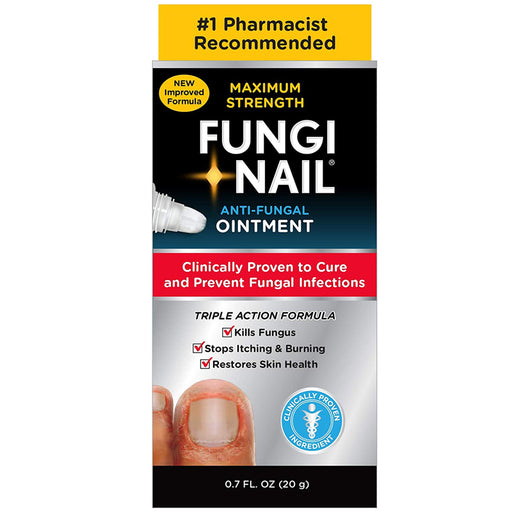
Fungi-Nail Antifungal Nail & Athlete’s Foot Ointment
22% OFFOriginal price $ 17.95Current price $ 13.95 -

 Sale 35%
Gold Bond Medicated Foot Powder Max Strength, Talc-Free 4 oz
35% OFFOriginal price $ 8.95Current price $ 5.85


Tolnaftate Creams, Powders & Sprays
skin fungal infections such as athlete’s foot (tinea pedis), jock itch (tinea cruris), and ringworm (tinea corporis). It’s a synthetic thiocarbamate (the active ingredient in brands like Tinactin) and is usually available over-the-counter. Tolnaftate works by inhibiting the fungal enzyme squalene epoxidase, which disrupts ergosterol synthesis in the fungal cell membrane. In practice, it stops the growth of fungi and allows the skin to heal.
-
Indications: Tolnaftate products (creams, powders, sprays) are indicated for common dermatophyte infections of the skin. These include athlete’s foot, which causes itching, cracking or peeling skin on the feet; jock itch, an itchy groin rash; and ringworm, a round, red, scaly rash on the body. (It does not treat fungal nail or scalp infections.)
-
Forms of Tolnaftate: Tolnaftate is marketed in several topical forms::
- Tolnaftate Creams/Lotions: These are water- or oil-based ointments (often 1% tolnaftate) applied directly to affected skin. Creams are easy to rub in and coat the skin well, making them useful for localized rashes.
- Tolnaftate Powders: Medicated powders (often mixed with talc) containing tolnaftate help absorb moisture. They are especially useful for sweaty areas like feet or groin, keeping the area dry while delivering the antifungal drug.
- Tolnaftate Sprays/Aerosols: Tolnaftate can come as a spray or aerosol solution. Sprays allow coverage of larger or hairy areas (e.g. feet, groin) without touching the skin and can dry quickly on the skin. (All forms contain the same active ingredient and are equally effective when used correctly.)
-
Application: Before applying tolnaftate, cleanse and dry the affected area thoroughly. Then apply the medication according to instructions: for a cream or lotion, spread a thin layer over the rash and a small margin of surrounding skin; for powder, sprinkle onto the skin and inside shoes/socks if treating feet; for a spray, hold the container a few inches from the skin and spray a light coating. Generally the treatment is applied twice daily (morning and night) or as directed on the product label. Patients are advised to continue treatment for the full recommended course (often 2–4 weeks) even if symptoms improve sooner, to ensure the fungus is fully eliminated.
-
Mechanism: Like allylamine antifungals (terbinafine), tolnaftate inhibits squalene epoxidase, an enzyme needed to make ergosterol (a key fungal cell membrane component). Without ergosterol, the fungal cells become dysfunctional and die. (Because of this action, tolnaftate is generally fungistatic – it stops fungal growth – but prolonged use will eliminate the infection.)
-
Effectiveness: According to drug references, tolnaftate is a broad-spectrum antifungal for dermatophytes. A Cochrane review noted that tolnaftate tends to be slightly less effective than newer azole or allylamine antifungals for athlete’s foot, but it remains a standard OTC choice. It is especially useful for ringworm infections (including those caught from pets). In practice, patient adherence (regular application and keeping the area dry) is a key factor in success.
-
Safety & Side Effects: Topical tolnaftate is generally safe when used as directed. Side effects are usually mild and localized. Common reactions include skin irritation, redness, burning or itching at the application site, and dry skin. Rarely, allergic reactions can occur (rash, hives, swelling); if this happens, use should be stopped. Tolnaftate should not be applied to open wounds, mucous membranes, or near the eyes. It is not meant for fungal infections of nails or scalp. Because it is only a topical cream/powder/spray, very little if any is absorbed into the bloodstream, so systemic side effects are extremely unlikely. If a rash worsens or does not improve after a few weeks of treatment, medical advice should be sought.
-
Adjunct Measures: Effective treatment of athlete’s foot and similar infections also involves hygiene. Keep the infected area clean and dry (fungus thrives in damp warm places). Change socks and underwear daily, wear breathable shoes, and consider using the tolnaftate powder in shoes or socks to reduce moisture. Avoid walking barefoot in communal areas (locker rooms, showers) to prevent re-infection.
In summary, tolnaftate creams, powders, and sprays are OTC antifungal treatments for tinea infections (athlete’s foot, jock itch, ringworm). They should be applied regularly as directed (usually twice a day) to clean, dry skin, and continued for the full course even after symptoms clear. Most people tolerate tolnaftate well, with only minor skin irritation in some cases. Combining correct application with good hygiene (drying the area, changing socks, etc.) helps ensure a full cure.
Key Points:
- Over-the-Counter Antifungal: Tolnaftate (e.g. Tinactin) is a commonly used topical antifungal sold without prescription. It is effective against dermatophyte infections like athlete’s foot, jock itch, and ringworm.
- Multiple Formulations: It comes in cream/ointment, spray, and powder forms. Choose the form that suits the affected area: creams for direct application, powders for drying sweaty feet, sprays for convenience.
- Proper Use: Apply to the entire affected area (and a little of the surrounding skin) twice a day, as directed on the label. Maintain treatment for the full recommended duration to fully eradicate the fungus.
- Side Effects: Side effects are usually mild (slight burning, redness, or dryness). Serious allergic reactions are rare. Do not use on broken skin or internally. If severe irritation occurs, discontinue use.
- Hygiene Matters: For conditions like athlete’s foot, keep feet dry and clean. Using the powder in shoes and wearing clean socks can help prevent recurrence. Proper skin care enhances the effectiveness of tolnaftate.