










Buy Sodium Bicarbonate Injection Today – Secure Your Supply for Emergency & Critical Care Needs
Contact Us for Bulk Medical Orders, Hospital Inquiries, and Professional Support.
 Skip to content
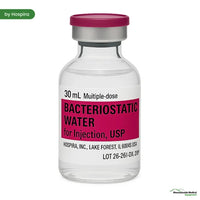 Bacteriostatic Water Injection by Hospira, Multiple Dose Vials 30 mL 25/Pack (Rx)
$ 539.00
Bacteriostatic Water Injection by Hospira, Multiple Dose Vials 30 mL 25/Pack (Rx)
$ 539.00
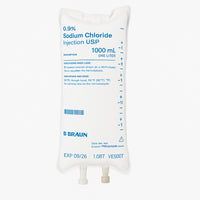 IV Bags, IV Fluid Solution for Intravenous & Infusion IV Therapy (Rx)
$ 10.95
IV Bags, IV Fluid Solution for Intravenous & Infusion IV Therapy (Rx)
$ 10.95
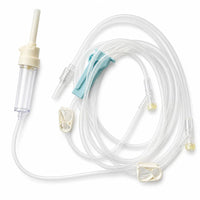 Exel IV Administration Set, Y-Injection Site, 78" Tube, Roller Clamp
$ 1.99
Exel IV Administration Set, Y-Injection Site, 78" Tube, Roller Clamp
$ 1.99
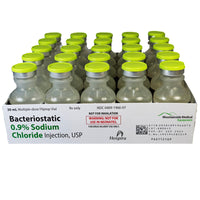 Bacteriostatic Sodium Chloride 0.9% Saline Injection Multiple Dose 30 ml x 25/Pack (Rx)
$ 125.00
Bacteriostatic Sodium Chloride 0.9% Saline Injection Multiple Dose 30 ml x 25/Pack (Rx)
$ 125.00
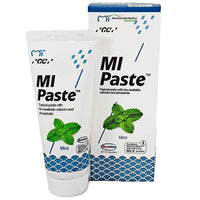 MI Paste with Mint Flavor Remineralizing Toothpaste by GC America
$ 23.00
MI Paste with Mint Flavor Remineralizing Toothpaste by GC America
$ 23.00
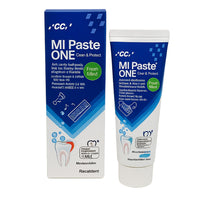 Mi Paste One Anti-Cavity Toothpaste, Fresh Mint by GC America
$ 24.00
Mi Paste One Anti-Cavity Toothpaste, Fresh Mint by GC America
$ 24.00
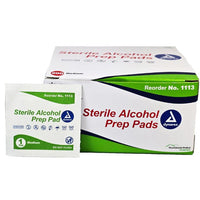 Alcohol Prep Pads Sterile by Dynarex 200/Box
$ 2.49
Alcohol Prep Pads Sterile by Dynarex 200/Box
$ 2.49
 Nitrile Powder Free Examination Gloves Blue Color, 100/Box
$ 7.95
Nitrile Powder Free Examination Gloves Blue Color, 100/Box
$ 7.95
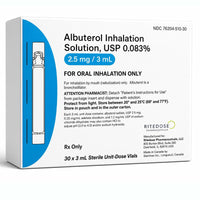 Albuterol Sulfate 0.083% Inhalation Nebulizer Solution 2.5 mg/3 ml 25/Box (Rx)
$ 18.50
Albuterol Sulfate 0.083% Inhalation Nebulizer Solution 2.5 mg/3 ml 25/Box (Rx)
$ 18.50
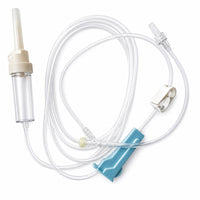 IV Set 15 Drop Luer Lock with 78" Tubing, Roller Clamp, and Y-Injection Site Ports
$ 1.99
IV Set 15 Drop Luer Lock with 78" Tubing, Roller Clamp, and Y-Injection Site Ports
$ 1.99
 Sale 27%
🔒 Medical License Required
Sale 27%
🔒 Medical License Required

 Sale 38%
🔒 Medical License Required
Sale 38%
🔒 Medical License Required


 Sale 18%
🔒 Medical License Required
Sale 18%
🔒 Medical License Required

 Sale 19%
Low Stock
🔒 Medical License Required
Sale 19%
Low Stock
🔒 Medical License Required

 Sale 18%
🔒 Medical License Required
Sale 18%
🔒 Medical License Required
 Sale 21%
🔒 Medical License Required
Sale 21%
🔒 Medical License Required

 Sale 28%
🔒 Medical License Required
Sale 28%
🔒 Medical License Required
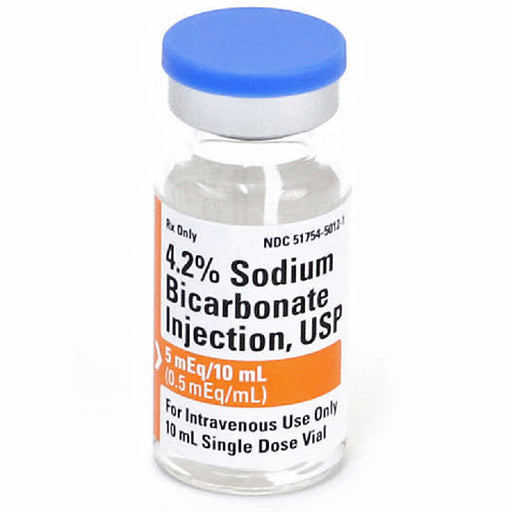
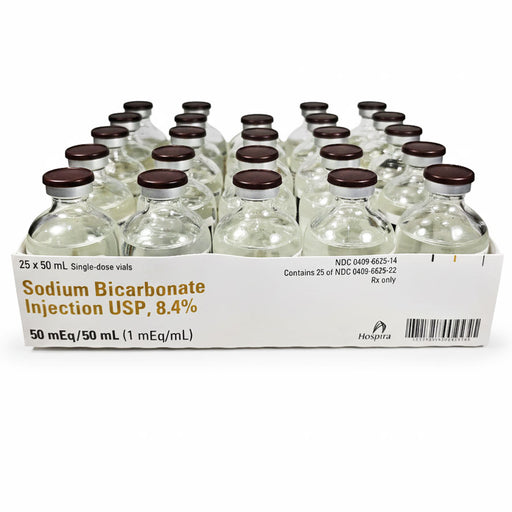
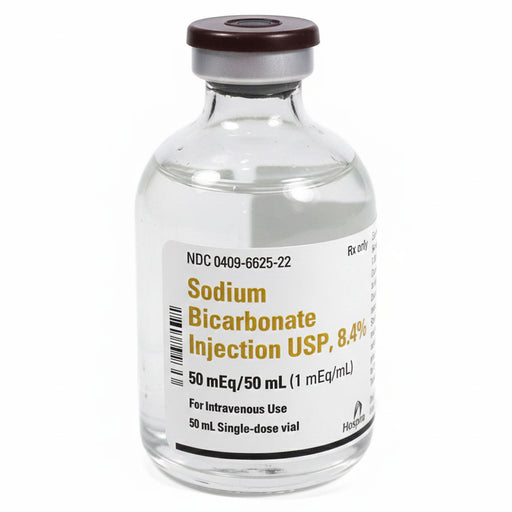
Discover premium Sodium Bicarbonate Injections—your trusted solution for acidosis treatment, pH balance, and metabolic correction. Our pharmaceutical-grade sodium bicarbonate offers rapid relief from severe metabolic acidosis, renal insufficiency, and cardiac arrest. Ideal for hospital, emergency, and clinical settings, these sterile injections help restore electrolyte balance, improve blood gas levels, and support critical care interventions. Ensure safe, effective patient management with our top-quality sodium bicarbonate injection treatments.
Buy Sodium Bicarbonate Injection Today – Secure Your Supply for Emergency & Critical Care Needs
Contact Us for Bulk Medical Orders, Hospital Inquiries, and Professional Support.
Treating severe metabolic acidosis. Managing certain drug overdoses. Correcting hyperkalemia related to renal failure. Used during cardiac arrest and CPR as part of emergency protocols. Sometimes used before epidural anesthesia to alkalinize solutions and reduce patient discomfort.
Typically, an infusion lasts from 30 minutes to several hours depending on clinical urgency and patient response. Emergency bolus doses act within minutes.
To quickly correct dangerous blood acidity, manage potassium toxicity, or counteract certain toxic ingestions and overdoses.
Limited data; should be used if clearly needed and the benefits outweigh risks. Consult with your obstetrician or healthcare provider.
Potential side effects include tissue irritation, hypokalemia, hypernatremia, metabolic alkalosis, volume overload, and possible complications in patients with heart or kidney disease. Rarely, improper administration can increase the risk of blood clots.
Prices vary by region, provider, and volume (typically $3–$40 per vial in the USA). Hospital charges may differ.
Prolonged/repeated use may lead to metabolic alkalosis, muscle twitching, electrolyte imbalance, or fluid overload. Routine use outside of acute hospital or dialysis settings is not recommended without close supervision.
The effect duration depends on the patient's metabolism and underlying conditions. A single dose acts within minutes and may last several hours.
Administer IV bolus or slow infusion under medical supervision. Only for use by qualified professionals, according to exact dosing protocols based on blood gas analysis.
To treat life-threatening acid-base disturbances, support resuscitation, or manage renal and critical care emergencies
Yes, occasionally mixed with local anesthetic solutions to speed onset and reduce injection pain during epidural anesthesia.
Rare, but improper administration or high doses may alter blood chemistry and potentially increase clotting risks.
Depending on cause: IV fluids, dialysis, other alkalinizing agents (e.g., tromethamine), and supportive care measures.
To rapidly reverse dangerously low blood pH, treat drug or toxin-induced acidosis, and stabilize patients in medical crisis.
Highest Purity & Safety Standards Used by Leading Hospitals & Emergency Rooms Trusted by Physicians Worldwide
Something went wrong. Please try again.
Check your email for exclusive offers and updates from Mountainside Medical.
Are you sure you want to cancel your payment? Your cart is still saved.
You need an account to add products to your wishlist. Log in or create an account to start saving your favorites.