 Skip to content











What are Insulin Therapy Injections
Insulin therapy injections are a common
treatment for managing diabetes, particularly for individuals with type 1 diabetes and some with type 2 diabetes. The goal of insulin therapy is to regulate blood sugar levels by providing the body with the insulin it needs, which may be deficient or insufficiently used in diabetic patients.
Key Points about Insulin Therapy Injections:
Types of Insulin:
- Rapid-Acting: Begins to work within minutes and lasts for a few hours. Examples include insulin lispro and insulin aspart.
- Short-Acting: Starts working within 30 minutes and lasts 5 to 8 hours. Regular insulin falls in this category.
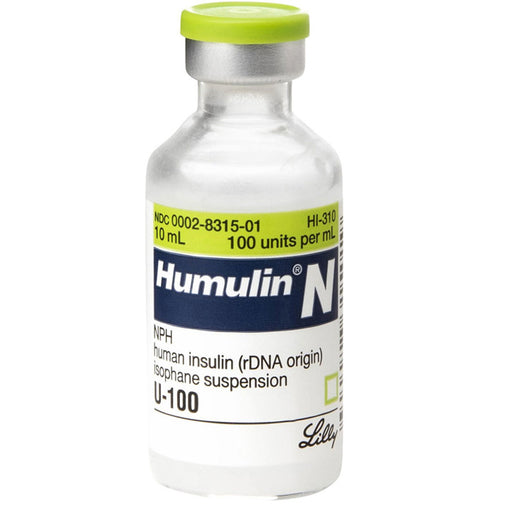
- Intermediate-Acting: Begins working within a few hours and lasts up to 18 hours. NPH insulin is a common example.
- Long-Acting: Provides a steady insulin level for up to 24 hours or more. Insulins like glargine and detemir are long-acting.
Injection Sites:
- Common sites include the abdomen, thighs, buttocks, and upper arms. Rotating sites can help prevent lipodystrophy (abnormal fat distribution).
Injection Devices:
- Besides syringes, insulin can be administered using insulin pens or pumps. Pens are convenient for dosing, while pumps provide continuous insulin delivery.
Dosage and Timing:
- The specific insulin regimen depends on
individual needs, blood sugar monitoring results, and lifestyle. Your
healthcare provider will determine the dosage and timing.
Importance of Monitoring:
- Regular blood sugar monitoring is crucial to adjust insulin doses as needed and to avoid hypoglycemia (low blood sugar) or hyperglycemia (high blood sugar).
Lifestyle and Diet:
- Insulin therapy is often combined with dietary management, physical activity, and sometimes oral medications to optimize blood glucose control.
Consultation with Healthcare Provider:
- Regular follow-ups with healthcare providers are essential to review blood sugar records and adjust insulin therapy as needed.
Insulin therapy, when managed effectively, plays a crucial role in maintaining healthy blood sugar levels and reducing the risk of diabetes-related complications.
How insulin works
Insulin is a hormone produced by the pancreas that plays a vital role in regulating blood sugar levels. Here's how it works:
- Facilitating Glucose Uptake:
- Insulin helps cells in the body, particularly muscle and fat cells, to absorb glucose from the bloodstream. This process lowers blood sugar levels and provides energy to the cells.
2. Storing Glucose:
- Insulin promotes the storage of glucose in the liver as glycogen. When blood sugar levels are low, the liver releases glucose into the bloodstream to maintain balance.
3. Inhibiting Glucose Production:
- It suppresses the liver's production of glucose, helping keep blood sugar levels within a normal range.
4. Fat and Protein Metabolism:
- Insulin also plays a role in fat and protein metabolism, promoting the storage of fat and facilitating protein synthesis.
5. Balancing Hormones:
- It interacts with other hormones to maintain a balance in the body's metabolic processes.
In people with diabetes, insulin production or use is impaired, requiring external insulin therapy to manage blood sugar levels effectively.
Insulin Warnings and Side Effects
Warnings:
Hypoglycemia (Low Blood Sugar):
- Symptoms include shakiness, dizziness, sweating, irritability, confusion, rapid heartbeat, and seizures.
- It’s important to monitor blood sugar regularly and carry a source of fast-acting carbohydrates, like glucose tablets.
Allergic Reactions:
- Possible reactions include skin rashes, itching, or more severe symptoms like difficulty breathing or swelling. Seek medical attention if severe reactions occur.
Lipodystrophy:
- Repeated insulin injections at the same site can cause changes in fat tissue, either lipoatrophy (loss of fat) or lipohypertrophy (thickening of tissue). Rotate injection sites to avoid this.
Hypokalemia (Low Potassium Levels):
- Insulin can cause a shift of potassium into cells, leading to low potassium in the blood, which may affect heart function.
Medication Interactions:
- Certain medications can affect insulin action. Inform healthcare providers of all medications being taken.
Side Effects:
Injection Site Reactions:
- Redness, swelling, or itching at the injection site.
Weight Gain:
- Some individuals may experience weight gain with insulin therapy.
Edema:
- Swelling in the arms or legs can occur due to fluid retention.
Somogyi Effect:
- Rebound high blood sugar following overnight hypoglycemia.
Consult with healthcare providers to manage and adjust insulin therapy as needed to minimize risks and side effects.