 Skip to content




















































Fire Department EMS Supplies Checklist:
Here's a typical checklist for Fire Department EMS supplies. Specific requirements can vary based on local protocols and regulations, but these items are commonly found on EMS units:
Basic Life Support (BLS) Supplies:
Airway Management::
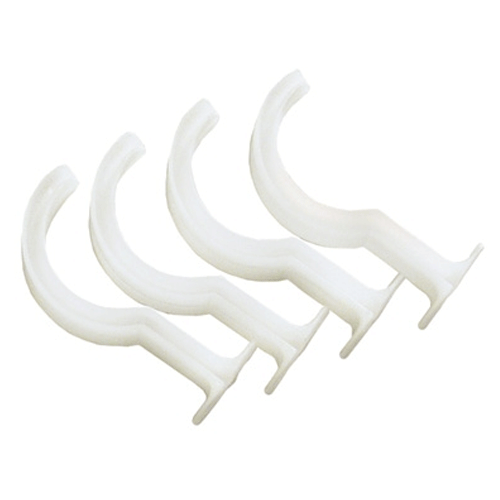
- Oropharyngeal airways (various sizes)
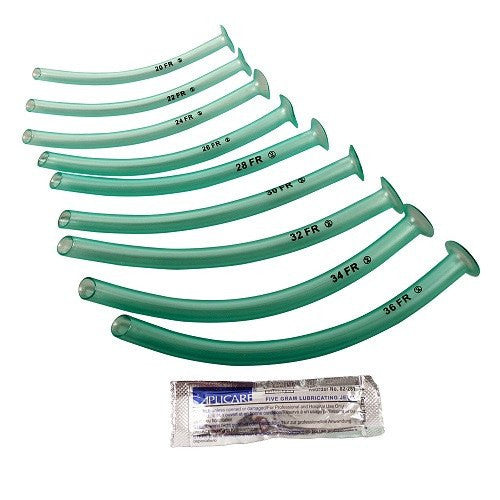
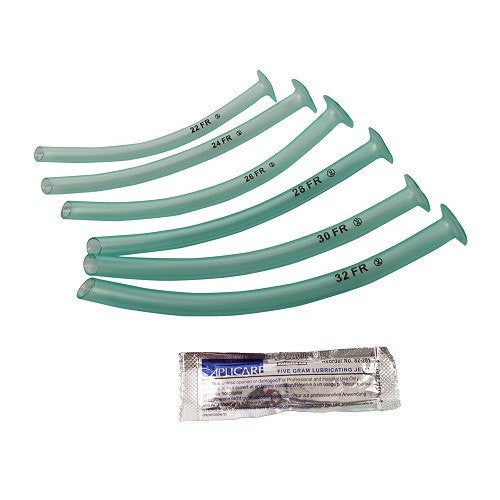
- Nasopharyngeal airways (various sizes)
- Bag-valve masks (adult, child, infant)
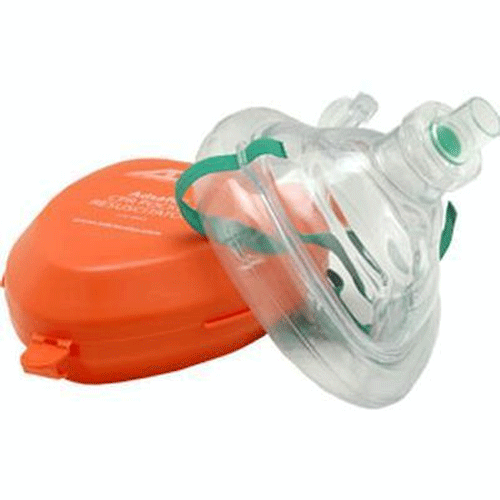
- Pocket masks with one-way valve
- Suction unit with catheters
Breathing Equipment:
- Oxygen tanks (portable) and regulators
- Non-rebreather masks (adult and pediatric)
- Nasal cannulas
Circulation:
- Automated External Defibrillator (AED) with spare pads
- Tourniquets
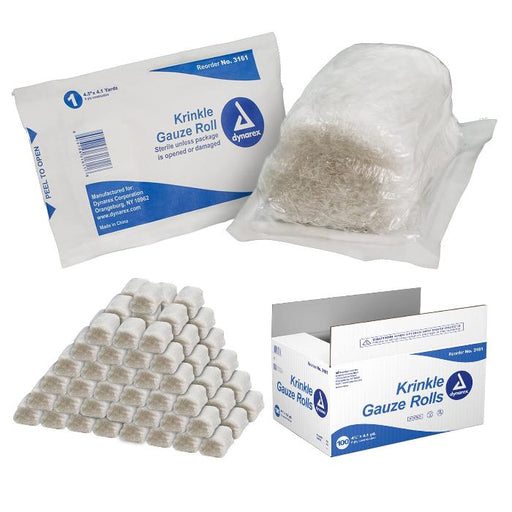
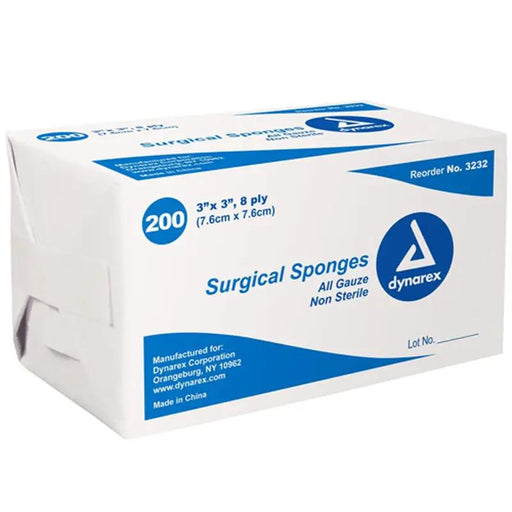
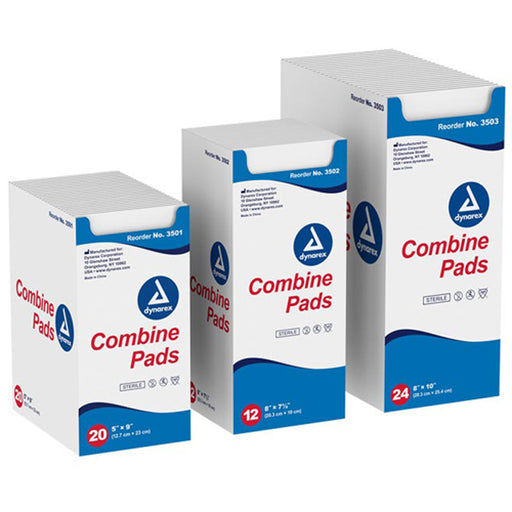
- Bandages: adhesive, gauze, elastic
- Hemostatic dressings
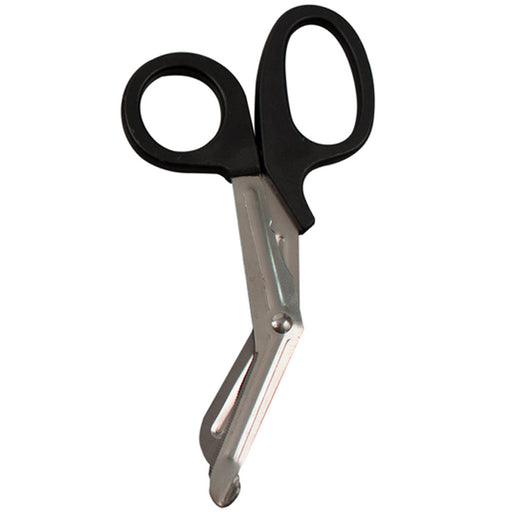
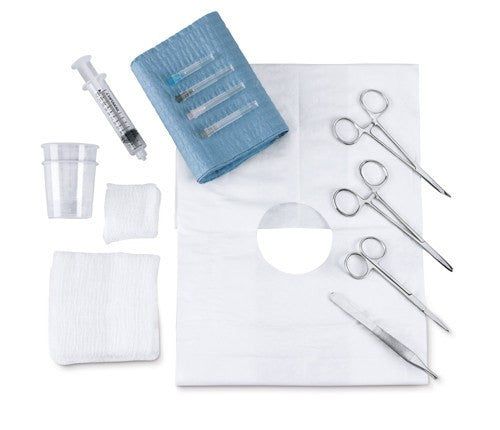
- Trauma shears
Immobilization:
- Cervical collars (various sizes)
- Backboards with straps
- Splints (inflatable, SAM, or rigid)
Other Supplies:
- Stethoscope
- Blood pressure cuff (adult and pediatric).
- Thermometer
- Glucose meter with test strips
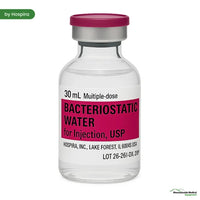
- Saline for irrigation
- Burn sheets
- Sterile gloves
- Emergency blankets
Advanced Life Support (ALS) Supplies:
Airway Management:
- Endotracheal tubes (various sizes)
- Laryngoscope with blades
- Intubation supplies (stylets, securing devices)
- CPAP device
Medication Administration:
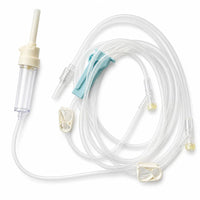
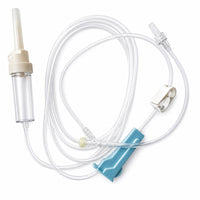
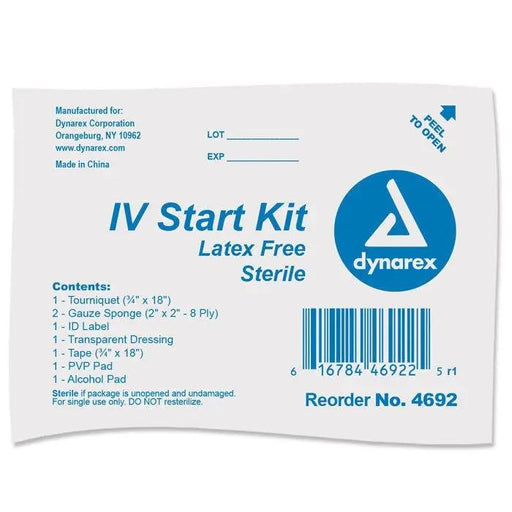
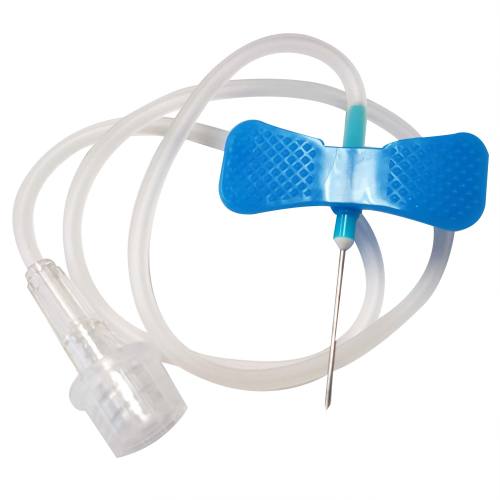
- IV catheters and supplies
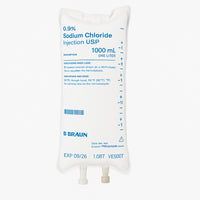
- Intravenous fluids (Normal Saline, Ringer's Lactate)
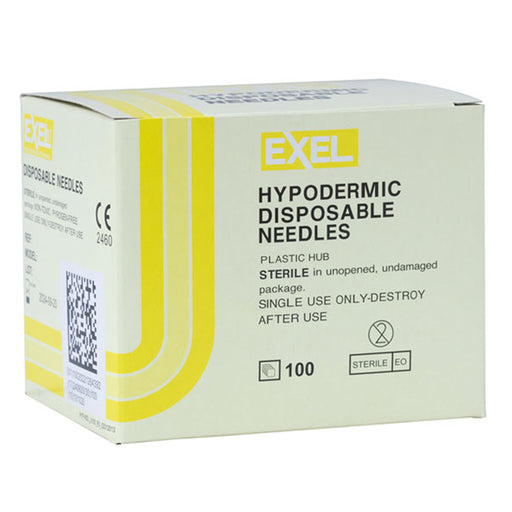
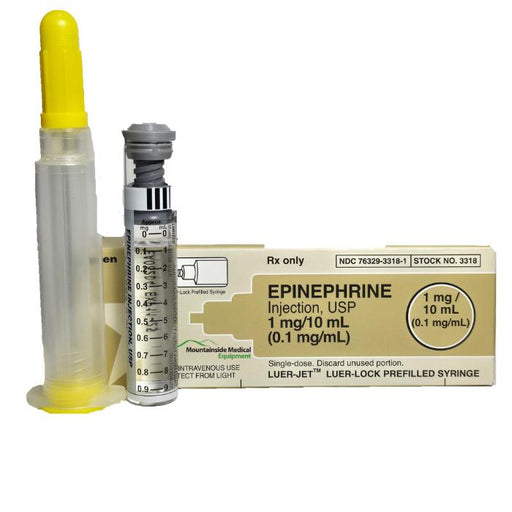
- Syringes and needles (various sizes)
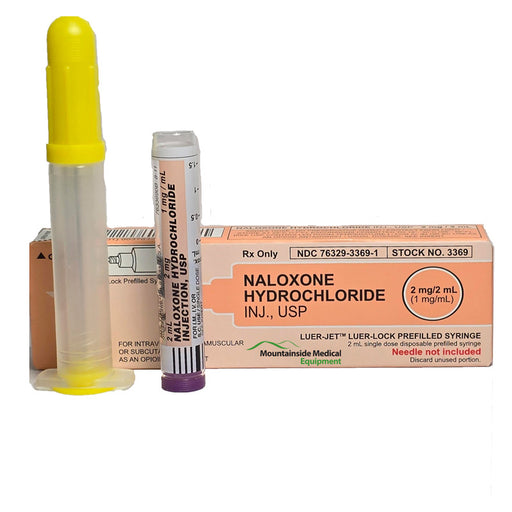
- Medication kit (as per protocol)
Monitoring:
- Cardiac monitor/defibrillator
- Capnography equipment
Additional Equipment:
- OB kit
- Pediatric equipment and supplies
- Sager or Hare traction splints
Documentation and Communication:
- Patient care reports/forms
- Portable radio
- Clipboard with pens
- Personal Protective Equipment (PPE):
Personal Protective Equipment (PPE):
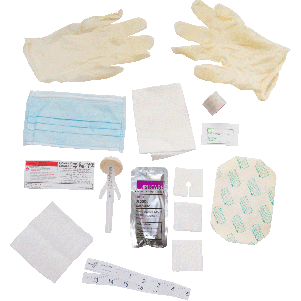
- Face masks
- Eye protection
- Gowns or coveralls
- Hand sanitizer
Regularly review and update the checklist based on medical protocols, restock supplies after each call, and conduct routine equipment checks to ensure readiness.