 Skip to content


Filters
- Aesthetic Supplies MedSpa Supplies & Cosmetic Surgery Supplies (1)
- Fertility Testing (1)
- Individually wrapped (1)
- Specimen Cup (4)
- Sterile (1)
- Sterile Specimen Cups (1)
- test urine (3)
- Urine Cup (2)
- Urine Specimen Cup (6)
- Collect Urine (2)
- ProAdvantage (1)
- Specimen Collection (3)
- Specimen Container (6)
- Urine Cups (4)
- Urine Sample (1)
- BD Specimen Collector (1)
- BD Vacutainer (2)
- Urine Collection Kit (2)
- Integrated Transfer Device (1)
- 17099 (1)
- Collection Cup (1)
- Kidney Stones (1)
- Stone Collector (1)
- Graduated Pan (1)
- Graduated Specimen Collector (1)
- Graduation (1)
- Measures Urine (1)
- Nurses Hat (1)
- Urine Collection Pan (1)
- Urine Collector (1)
- Urine Container (1)
- Adhesive temperature strips (1)
- Specimen Temperature (1)
- 25000 (1)
- Kendall (1)
- 9007433 (1)
- Biohazard (2)
- Biohazard Cups (2)
- Bulk (1)
- Bulk Cups (1)
- Drug Testing (1)
- Information Label (1)
- Medical Cups (1)
- Testing Cups (1)
- Transport (1)
- Urine Specimen Cups (1)
- 9007432 (1)
- non sterile (1)
Filters
- Aesthetic Supplies MedSpa Supplies & Cosmetic Surgery Supplies (1)
- Fertility Testing (1)
- Individually wrapped (1)
- Specimen Cup (4)
- Sterile (1)
- Sterile Specimen Cups (1)
- test urine (3)
- Urine Cup (2)
- Urine Specimen Cup (6)
- Collect Urine (2)
- ProAdvantage (1)
- Specimen Collection (3)
- Specimen Container (6)
- Urine Cups (4)
- Urine Sample (1)
- BD Specimen Collector (1)
- BD Vacutainer (2)
- Urine Collection Kit (2)
- Integrated Transfer Device (1)
- 17099 (1)
- Collection Cup (1)
- Kidney Stones (1)
- Stone Collector (1)
- Graduated Pan (1)
- Graduated Specimen Collector (1)
- Graduation (1)
- Measures Urine (1)
- Nurses Hat (1)
- Urine Collection Pan (1)
- Urine Collector (1)
- Urine Container (1)
- Adhesive temperature strips (1)
- Specimen Temperature (1)
- 25000 (1)
- Kendall (1)
- 9007433 (1)
- Biohazard (2)
- Biohazard Cups (2)
- Bulk (1)
- Bulk Cups (1)
- Drug Testing (1)
- Information Label (1)
- Medical Cups (1)
- Testing Cups (1)
- Transport (1)
- Urine Specimen Cups (1)
- 9007432 (1)
- non sterile (1)
Urine Specimen Cups
-

 Sale 33%

Urine Specimen Collection Cup, Sterile Individually wrapped
4.6 (21) 4.6 out of 5 stars, 21 reviews33% OFFOriginal price $ 0.69Current price $ 0.46 -
 Sale 40%
Urine Specimen Container, Non Sterile 4 oz with Screw Top, 25/pk
5.0 (3) 5.0 out of 5 stars, 3 reviews40% OFFOriginal price $ 7.98Current price $ 4.80 -
 Sale 18%

BD Vacutainer Urine Specimen Collection Kit, Sterile 8 ml (50/Case)
18% OFFOriginal price $ 229.95Current price $ 189.00 -
 Sale 18%
BD 364957 Vacutainer Urine Collection Kits 16x100mm 4.0 mL/8.0 mL, 50/cs
18% OFFOriginal price $ 195.00Current price $ 159.00 -
 Sale 13%

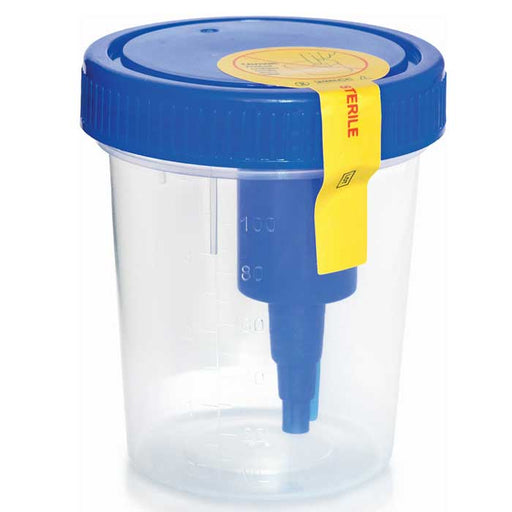
Urine Specimen Container with Integrated Transfer Device with Screw Cap, Patient Info Panel, Sterile 4 oz
13% OFFOriginal price $ 2.25Current price $ 1.95 -
 Sale 4%
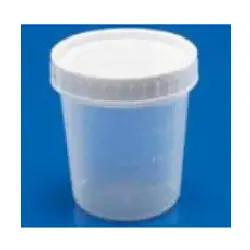
Sterile Specimen Containers with Screw-on Caps, 100/Case
4.5 (2) 4.5 out of 5 stars, 2 reviews4% OFFOriginal price $ 49.95Current price $ 48.00 -

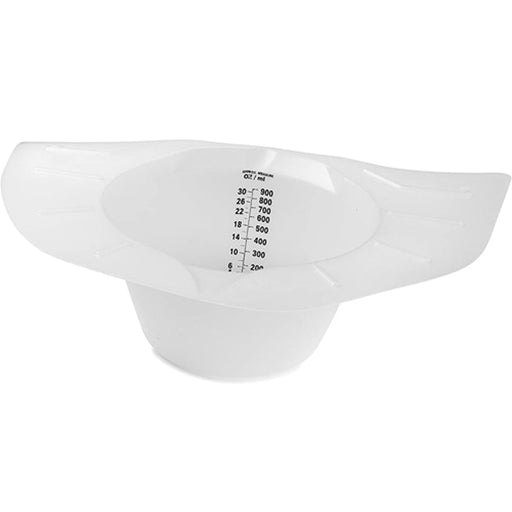 Sale 24%
Urine & Stool Specimen Collection Pan, Nurses Hat
4.9 (25) 4.9 out of 5 stars, 25 reviews24% OFFOriginal price $ 1.29Current price $ 0.98 -
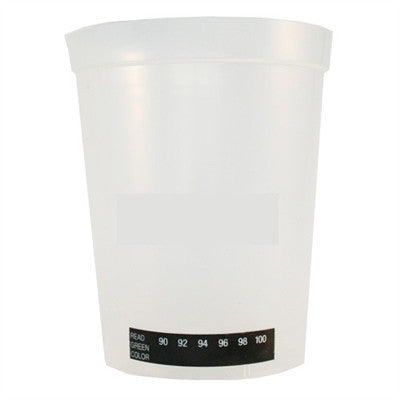
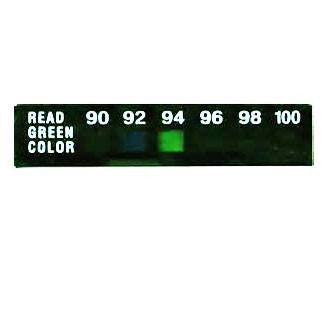 Sale 9%
Urine Specimen Cup Adhesive Temperature Strips, 62 Pack
9% OFFOriginal price $ 22.95Current price $ 20.85 -
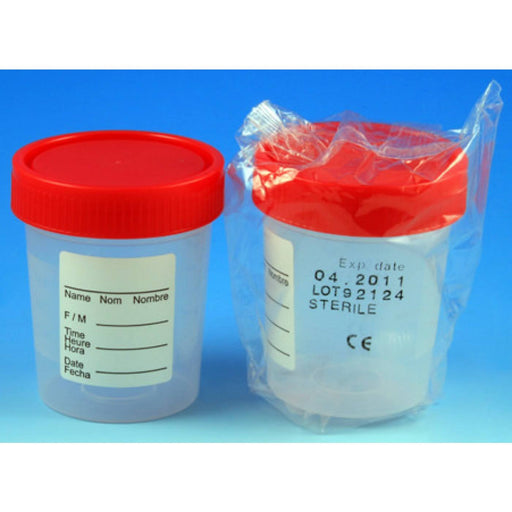 Sale 33%
Urine Specimen Collection Cup, Tri-lingual Patient ID label
33% OFFOriginal price $ 0.78Current price $ 0.52 -

 Sale 14%
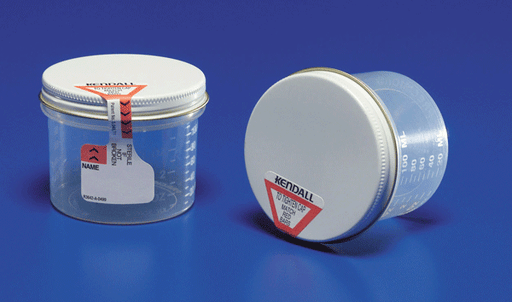
Precision Sterile Specimen Container Wide Mouth 5 oz, 200/case
14% OFFOriginal price $ 219.99Current price $ 189.00 -
 Sale 8%
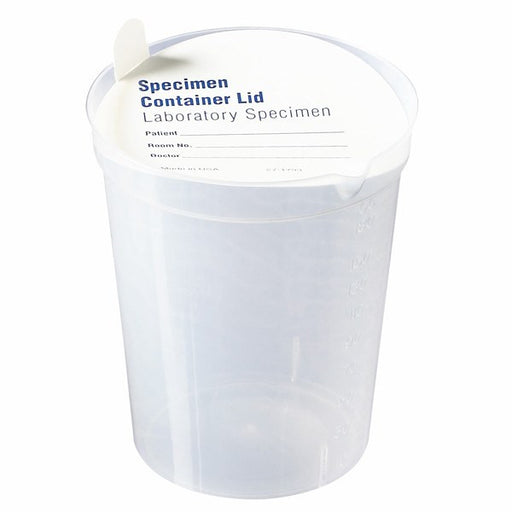
Urinalysis Specimen Collection Containers 500/Case
8% OFFOriginal price $ 139.95Current price $ 129.00 -

 Sale 28%
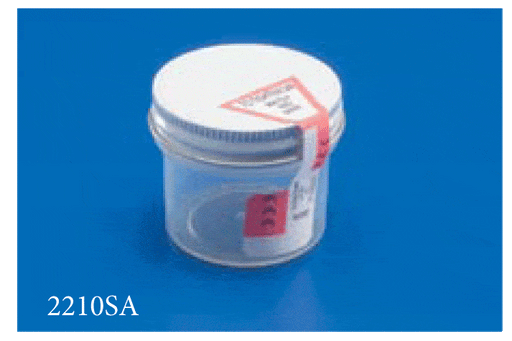
Premium Specimen Containers with Positive Seal Indicator 1.5 oz
28% OFFOriginal price $ 199.95Current price $ 144.00 -
 Sale 34%
-
 Sale 28%
Urine Specimen Container with Screw Cap 4 oz Bulk Pack, 200/Case
28% OFFOriginal price $ 89.95Current price $ 65.00 -
 Sale 29%
Specimen Cups with Information Label, Sterile 4 oz Bulk case 100/Case
29% OFFOriginal price $ 45.00Current price $ 31.90




People Also Searched For
Urine Specimen Cups
Urine specimen cups are sterile, medical-grade containers specifically designed to collect and hold urine samples for diagnostic, screening, and monitoring purposes. These cups are a standard piece of equipment in hospitals, clinics, laboratories, workplaces, and even at-home testing kits.
Urine specimen cups are containers designed specifically for the collection, storage, and transport of urine samples—usually for medical testing (such as urinalysis, drug screening, pregnancy testing, or culture).
Description
- Material: Usually made of clear, durable plastic (polypropylene or polystyrene) to prevent breakage and allow for visual inspection of the sample.
- Sterility: Most are individually wrapped and sterilized to prevent contamination.
- Capacity: Typically range from 30 mL to 120 mL, with 90 mL being most common for adult use.
Uses
-
Medical Diagnosis:
- Urinalysis: To check for kidney disease, diabetes, urinary tract infections (UTIs), or liver problems.
- Microscopic Examination: For evaluating presence of blood, bacteria, crystals, or cells.
- Chemical Testing: To detect glucose, protein, ketones, pH, specific gravity, and more.
-
Pregnancy Testing:
- Used to collect urine for detecting the presence of human chorionic gonadotropin (hCG), an indicator of pregnancy.
-
Drug Screening:
- Often used in employment, sports, legal, or rehabilitation settings to test for illicit or prescription drugs.
-
Disease Screening:
- For detecting infections, sexually transmitted diseases (STDs), or metabolic conditions.
-
Monitoring Chronic Conditions:
- Collection of timed urine samples (e.g., 24-hour collections) to monitor substances like proteins, electrolytes, or hormones.
-
Research Purposes:
- Used in clinical trials or academic research for the collection and analysis of urine samples.
Features
- Material: Usually made from sterile, medical-grade plastic.
- Sterility: Many are sterile, individually wrapped, and often have a tamper-evident seal to prevent contamination.
- Capacity: Common sizes range from 30 mL to 120 mL (about 1–4 ounces).
- Lids: Secure screw-on or snap-on lids to prevent leakage.
- Label Area: Space for labeling patient name, date, and other identifying information.
- Graduations: Some cups have measurement markings.
Usage Steps
- Wash hands before collection.
- Remove lid (taking care not to touch inside).
- Collect midstream urine (start voiding, then collect sample).
- Securely replace lid without touching inside of cup or lid.
- Label cup, if not pre-labeled.
- Deliver sample as instructed (usually within 1–2 hours for best results).
Types of Specimen Containers
1. Urine Specimen Containers
- Standard Sterile Cup: Used for routine urinalysis, midstream collection, or culture.
- 24-Hour Collection Bottle: Large bottles (~2-3 liters) for collecting all urine over a 24-hour period.
- Pediatric Urine Bags: Adhesive bags for infants who cannot provide a midstream sample.
2. Blood Collection Tubes (Vacutainers)
- EDTA Tubes (Purple/Lavender top): For hematology tests (CBC, blood films).
- Sodium Citrate Tubes (Light Blue top): For coagulation studies (PT, aPTT).
- Serum Separator Tubes (SST, Gold/Yellow top): For chemistry panels, serology.
- Heparin Tubes (Green top): For plasma biochemistry.
- Plain Tubes (Red top): For serum, drug levels, or serological tests.
3. Stool/ Fecal Specimen Containers
- Standard Stool Cup: Wide-mouthed, screw cap; sometimes with a spoon built into the lid.
- Ova and Parasite (O&P) Containers: Contain preservative for parasite or ova studies.
4. Sputum Collection Containers
- Sterile Wide-Mouth Container: For expectorated sputum samples (TB, cytology, etc.).
5. Swab Specimen Transport Containers
- Culture Swabs: Pre-moistened or dry, often with transport medium (Amies, Stuart’s, etc.).
- Viral Transport Medium (VTM): For COVID, influenza, and other viral tests.
6. Tissue/Histology Specimen Jars
- Formal-Fixative Jars: Pre-filled with formalin for biopsy/ surgical tissue specimens.
7. Other Specialized Containers
- Cytology Vials/ThinPrep Vials: For Pap smears or body fluids for cytology.
- Blood Culture Bottles: For cultivating bacteria/fungi from blood.
- CSF (Cerebrospinal Fluid) Tubes: Small tubes for lumbar puncture samples.
8. Miscellaneous
- Semen Collection Cups: For fertility testing/analysis.
- Saliva Collection Tubes: For genetic or hormone studies.
- Sweat Collection Devices: For cystic fibrosis testing.
Disposal
Most are single-use and should be disposed of according to hospital/clinic protocol (often as biohazard waste if used).
Where to Buy
- Pharmacies (in person or online)
- Medical supply companies
- Online retailers (Mountainside Medical.)
Summary Table
| Specimen Type | Common Containers |
|---|---|
| Urine | Sterile Cup, 24-hour Bottle, Pediatric Bag |
| Blood | Various vacutainers/EDTA/citrate/serum tubes |
| Stool | Stool cup, O&P container |
| Sputum | Sterile wide-mouthed cup |
| Swab | Swab with transport medium |
| Tissue | Formalin jar |
| CSF | Lumbar puncture tubes |
| Semen | Wide sterile cup |
| Saliva | Saliva tube |
Urine specimen cups are an essential medical tool designed to safely and efficiently collect, store, and transport urine samples. Their main functions are to allow accurate diagnostic, monitoring, and screening tests to be performed in a variety of settings, helping healthcare professionals in detecting, diagnosing, and managing patient health conditions.