 Skip to content


Frequently Asked Questions About Insulin Syringes for Beginners
Managing diabetes effectively is crucial for maintaining good health and quality of life. For many people with diabetes, insulin therapy is an integral part of daily life. Insulin syringes are one of the most common tools used to administer insulin injections. If you're new to using insulin syringes, you likely have questions on how to choose the right ones, how to use them properly, and what options are available to you. In this comprehensive guide, we'll address some frequently asked questions about insulin syringes to help you understand these essential medical tools.
Visit Mountainside Medical Equipment for more information
What Are Insulin Syringes?
Insulin syringes are specially designed tools used for administering insulin. They are typically small, fine, and easy to use, which allows for precise dosing. Insulin syringes consist of a needle, a barrel, and a plunger. The needle's gauge and length are important factors to consider, as they determine the comfort of injections and the accuracy of insulin delivery.
How Do I Choose the Right Insulin Syringe?
When selecting the right insulin syringe, there are several key factors to consider:
1. Needle Gauge
The gauge of the needle refers to its thickness. The higher the gauge number, the thinner the needle. Thinner needles tend to cause less pain and are preferable for people who have to inject insulin multiple times a day.
2. Needle Length
Needle length is another important consideration, especially for people with varying levels of body fat. Shorter needles are generally sufficient for most people, as they reduce the risk of injecting insulin into the muscle instead of just under the skin.
3. Capacity
 Insulin syringes come in different capacities, typically measured in milliliters (mL). The most common capacity for insulin syringes is 1 mL, which can hold up to 100 units of insulin.
For a variety of options, including different needle gauges and lengths, check out the Easy Touch Insulin Needles.
How Do I Properly Use an Insulin Syringe?
Using an insulin syringe correctly is vital for effective diabetes management. Here are the steps to follow:
- Wash Your Hands: Always begin by washing your hands with soap and water to ensure cleanliness.
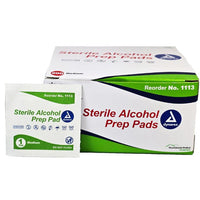
- Prepare the Syringe: Remove the cap from the insulin bottle and clean the top with an alcohol swab. Draw air into the syringe equal to your insulin dose by pulling the plunger.
- Mix the Insulin (if needed): If you're using a type of insulin that requires mixing, gently roll the bottle between your hands.
- Draw the Insulin: Insert the needle into the bottle, inject the air, then invert the bottle and draw the insulin dose into the syringe, making sure there are no air bubbles.
- Select Injection Site: Choose an injection site, typically the abdomen, thigh, or upper arm. Rotate the sites to avoid irritation.
- Inject the Insulin: Insert the needle at a 90-degree angle and inject the insulin slowly.
- Dispose of the Syringe: Safely dispose of the used syringe in a designated sharps container.
What Size Insulin Needle Should I Use?
The choice of needle size will depend on personal preference, body type, and comfort level. Generally, shorter needles (4mm to 6mm) are used, as they are sufficient for subcutaneous injections and minimize the risk of intramuscular injection. Consult with your healthcare provider for recommendations tailored to your specific circumstances.
How Often Should I Change My Insulin Needle?
It's typically recommended to use a new needle for each injection. Reusing needles can cause them to become dull, increasing discomfort and pain during injections. Moreover, repeated use can lead to bending or breaking the needle, potentially causing injury or inaccurate insulin dosing.
Are There Universal Insulin Syringes?
Insulin syringes are not always universal due to differences in needle gauge, length, and capacity. Furthermore, different insulin formulations may require specific syringe types. It's advisable to follow your healthcare provider's recommendations when selecting insulin syringes.
Are There Alternative Insulin Delivery Methods?
Yes, besides syringes, there are several other methods to deliver insulin, including:
- Insulin Pens: Prefilled or reusable devices that offer greater convenience.
- Insulin Pumps: Devices that provide continuous dosing, mimicking the body's natural insulin release.
- Jet Injectors: Devices that use high-pressure air to deliver insulin without needles.
These alternatives may offer more convenience and comfort and can be discussed with your healthcare provider to determine the best method for your needs.
Conclusion
Understanding how to choose and use insulin syringes appropriately plays a critical role in effective diabetes management. By selecting the right size and following the proper usage practices, you can make insulin injections a less stressful part of your daily routine. For further reference and a range of options, consider exploring the Easy Touch Insulin Needles at Mountainside Medical.
For any more questions or information, feel free to visit the Mountainside Medical Equipment website.