 Skip to content









How AI-Driven Medical Equipment is Transforming Patient Health Journeys
In the ever-evolving landscape of healthcare, technology continues to revolutionize patient care with each passing year. At the forefront of this transformation is Artificial Intelligence (AI), a powerful tool that is reshaping the medical equipment landscape, enhancing the efficiency and effectiveness of patient health journeys from diagnosis to recovery. With AI-driven medical equipment, the traditional paradigms of healthcare are being challenged and redefined, leading to more personalized, accurate, and efficient patient care experiences.
The Rise of AI-Driven Medical Equipment
The rise of AI-driven medical equipment is a testament to the power of technology in driving healthcare innovation. This shift is not just about making existing technologies smarter, but about introducing new possibilities in diagnosis, treatment, and patient management. From predictive analytics that anticipate complications before they arise, to automated imaging that delivers instant and precise diagnostics, AI is progressively changing the meaning and scope of what medical equipment can achieve.
Key Innovations in AI-Driven Medical Equipment
Predictive Analytics in Healthcare
AI algorithms are now able to analyze vast amounts of patient data to predict health events before they manifest. This proactive approach can significantly reduce hospital readmissions and improve patient outcomes. For instance, predictive tools can warn healthcare providers of potential infections, facilitating timely intervention and care.
Enhanced Imaging Techniques
Imaging procedures, which have always been critical in diagnosis, are becoming even more sophisticated with AI. Advanced AI algorithms now analyze radiology images with precision and speed that surpass human capabilities, aiding radiologists in detecting issues such as tumors or fractures more quickly and accurately.
Smart Surgical Instruments
Robotics and AI have converged to create smart surgical instruments that offer surgeons enhanced precision and control. These tools not only reduce the likelihood of errors but also minimize the invasiveness of procedures, which leads to faster patient recovery times.
Automated Drug Compounding
AI-driven platforms in pharmaceutical compounding ensure precise formulation and dosage of medications, enhancing the safety and effectiveness of treatments. This precision is exemplified in the compounding of drugs like Sulfamethoxazole USP, ensuring that patients receive exact doses tailored to their specific health needs. Learn more about Sulfamethoxazole USP for Compounding.
Innovations in Wound Care
AI applications are improving wound care management with tools that can assess wound conditions and suggest optimal treatment protocols. Products like the Deluxe Wound Closure Tray with Instruments demonstrate how sterile, precise, and comprehensive solutions support better patient outcomes in wound management. Explore our Deluxe Wound Closure Tray here.
Smart Tech is Transforming Patient Care
Smart technology, powered by AI, is transforming patient care by facilitating real-time health monitoring, personalized treatment plans, and streamlined healthcare processes. Smart tech ensures that patients and healthcare providers are always connected, making healthcare more responsive and patient-centered.
Benefits of Smart Tech in Healthcare
Personalized Healthcare Experiences
AI-powered tools analyze individual health data to create personalized treatment plans. By understanding a patient's unique genetic makeup, lifestyle, and health history, these systems ensure that interventions are as effective and tailored as possible.
Efficiency in Healthcare Delivery
With automated systems handling data entry, diagnostics, and even some aspects of patient interaction, healthcare professionals can focus their time and energy on delivering care. This efficiency improves the overall patient experience while optimizing healthcare resources.
Continuous Health Monitoring
Smart devices and wearables keep track of vital signs and health patterns, delivering real-time data to healthcare professionals. This continuous monitoring helps in timely medical interventions and enhances chronic disease management.
Integration into Everyday Healthcare Practices
The integration of AI-driven medical equipment into everyday healthcare practices represents a shift towards more dynamic and flexible healthcare systems. Medical tools such as the Medical Nasal Atomizer have incorporated AI to ensure precise administration of medications, enhancing treatment efficacy and patient comfort. Discover more about our Medical Nasal Atomizer.
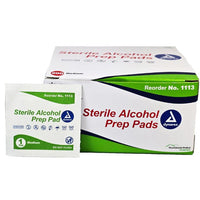
Furthermore, the use of simple yet essential tools like Alcohol Prep Pads underscores the importance of maintaining sterility and hygiene in medical procedures in the technologically advanced healthcare environment. View Alcohol Prep Pads here.
Conclusion
As we continue to embrace technological advances, the role of AI in healthcare is projected to expand, leading to unprecedented changes in how patient journeys are managed and improved. AI-driven medical equipment is not just facilitating better patient outcomes but is also transforming healthcare landscapes into more efficient, personalized, and resilient systems. By integrating these smart technologies into patient care, healthcare providers can ensure that the journey from diagnosis to recovery is as seamless and effective as possible.
Explore more innovations and products that are shaping the future of healthcare at Mountainside Medical Equipment.
The future of healthcare lies in the strategic integration of AI technologies into everyday medical practices, fostering transformations that promise to enhance patient care and optimize health journeys like never before.