 Skip to content



IV Catheter Needles Uncovered Your Most Pressing Questions Answered
In medical settings, the use of IV catheter needles is as crucial as it is commonplace. However, for those who are not healthcare professionals, the intricacies surrounding their usage can seem confusing or intimidating. At Mountainside Medical, we aim to clarify these complexities by answering your most pressing questions about IV catheter needles. As you read through this guide, you will gain a comprehensive understanding of these indispensable medical tools.
What is an IV Catheter Needle?
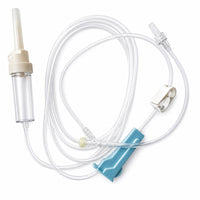
An Intravenous (IV) catheter needle is a medical tool used to deliver fluids, medication, or nutrients directly into a patient's bloodstream. They are essential for rapid administration of therapy in various clinical scenarios, from routine medical treatment to emergency interventions.
Types of IV Catheter Needles
Peripheral IV Catheters: The most common type, these catheters are inserted into smaller, more accessible veins, typically in the arms or hands.

- BD Insyte Autoguard Peripheral IV Catheter with Button Retracting Safety Needle: This advanced tool features a button retraction mechanism, enhancing safety by reducing the risk of needle-stick injuries.
- Protectiv Peripheral IV Catheter with Retracting Safety Needle: Designed with a retractable safety needle, this catheter minimizes exposure after insertion, offering greater safety for healthcare professionals.
- Central Venous Catheters: These are used for larger veins, often near the heart, for long-term therapies.
- Midline Catheters: Used for intermediate-duration treatments and inserted in a larger vein of the arm.
- Peripherally Inserted Central Catheters (PICCs): Suitable for prolonged use, these are inserted in a peripheral vein and threaded toward a central vein.
How Are IV Catheter Needles Used?
The process of using an IV catheter needle involves the following steps:
- Preparation: The site for insertion is cleaned and disinfected.
- Insertion: The needle is used to puncture the vein, and the catheter is threaded into place.
- Maintenance: The catheter site requires regular monitoring for signs of infection or complications.
Healthcare professionals are trained extensively in these procedures to ensure efficiency and safety.
Common Concerns and Misconceptions
Question 1: Are IV catheter needles reusable?
No, IV catheter needles are designed for single use only. Re-using needles increases the risk of infection and contamination.
Question 2: How should pain or discomfort during insertion be managed?
Discomfort can be minimized by selecting the appropriate catheter size, ensuring proper insertion technique, andcommunicating with the patient throughout the process.
Safety Considerations

IV catheter needles are generally safe when used correctly. However, the risk of complications exists, such as infection, thrombosis, or phlebitis. Utilizing safety-engineered devices, like the Exel Safelet IV Catheter Needles, which include features to prevent accidental needle sticks, greatly enhances safety.
Technological Advances in IV Catheter Needles
Modern innovations have significantly improved the safety and efficiency of IV catheter needles:
- Safety Mechanisms: Many devices now feature retractable needles, further reducing exposure risk.
- Ultrasound Guidance: Assists in the accurate placement of catheters in difficult cases.
Conclusion
Understanding the function, types, and safety features of IV catheter needles helps demystify their use and highlights their importance in medical practice. Whether you're a healthcare professional seeking reliable products or a curious patient wanting to learn more, Mountainside Medical offers a comprehensive range of options. Explore our collection of IV catheters, including the safe and effective Exel Safelet IV Catheter Needles, 50 Per Box, to ensure the best care for your patients or loved ones.
For more information about our products and services, visit Mountainside Medical.