 Skip to content



Mastering BD IV Catheter Needles: Step-by-step Guide to IV Catheter Placement and Best Practices for Vein Selection
In the world of healthcare, mastering the art of intravenous (IV) catheter needle placement is a vital skill that ensures effective and safe treatment. This blog post aims to guide you through the process of IV catheter placement using BD IV Catheter Needles, offering insights into sizes, gauges, best practices for vein selection, and insertion techniques.
Understanding IV Needles and IV Catheter Needles
Intravenous therapy is essential for administering medications, fluids, and nutrition. The success of this therapy largely depends on the quality of the IV catheters used. Different sizes and gauges of IV needles serve specific purposes and patient needs. BD IV Catheter Needles are known for their precision and reliability, making them a preferred choice in medical settings.
Sizes and Gauges

IV catheter needles come in various sizes and gauges, each suitable for different types of procedures and patient anatomies. The gauge of a needle refers to its diameter—the smaller the gauge number, the larger the needle. Common gauges include:
- 14-18 gauge: Used for trauma and surgeries
- 20 gauge: Standard gauge for routine IV fluid administration
- 22-24 gauge: Suitable for pediatrics and patients with small veins
The BD Insyte Autoguard Blood Control Catheter, for example, is a 20-gauge device that provides both reliability and safety features, such as a protective shield to minimize the risk of blood exposure.
Step-by-step IV Catheter Placement
Correct placement of an IV catheter is crucial for patient safety and comfort. Below is a step-by-step guide for placing an IV catheter effectively:
1. Preparation
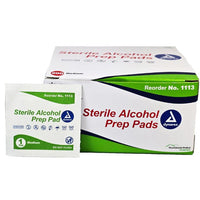
- Gather supplies: Ensure you have all necessary materials, including the BD IV Catheter Needle, alcohol swabs, tourniquet, gloves, tape, and dressing.
- Wash hands thoroughly: Prioritize hygiene to prevent infections.
- Explain the procedure: Reassure the patient and inform them about the steps involved.
2. Vein Selection
- Identify a suitable vein:
- Use the best practices for vein selection by looking for veins that are straight, palpable, and away from joints.
- The antecubital area is commonly used due to its accessibility and larger vein size.
- Apply a tourniquet: Helps in vein distention and increases visibility.
For an extensive selection of IV catheter options, visit the IV Catheters collection.
3. Insertion Technique
- Clean the insertion site: Use an antiseptic solution to prevent infection.
- Position the catheter: Hold the BD IV Catheter Needle at a 15-30 degree angle to the skin.
- Insert the needle: Advance the needle until you see a flash of blood in the catheter chamber, then lower the angle and advance a little further.
- Thread the catheter: Push gently to thread the catheter into the vein while simultaneously withdrawing the needle.
- Secure the catheter: Use tape and a sterile dressing to secure the catheter in place.
4. Post-Insertion Care
- Dispose of the needle properly: Immediately place used needles into a sharps container to ensure safety.
- Monitor the site: Regularly inspect the site for signs of infection or complications.
Best Practices for Vein Selection and Insertion
Successful vein selection is as crucial as the catheter insertion itself. Here are some best practices to consider:
Optimize the Environment
- Ensure adequate lighting to see veins clearly.
- Maintain a comfortable room temperature to prevent vein constriction.
Vein Enhancement Techniques
- Warm compresses: Applying heat can help dilate veins.
- Hydration: Ensure the patient is well-hydrated to enhance venous access.
Patient Positioning
- Position the arm below the level of the heart to increase venous return.
- Ask the patient to make a fist to further enhance vein visibility.
Conclusion
Mastering the use of BD IV Catheter Needles involves understanding sizes and gauges, following a systematic approach to placement, and adhering to best practices for vein selection and insertion. Utilizing high-quality products, such as the BD Insyte Autoguard Blood Control Catheter, can significantly enhance the safety and effectiveness of intravenous therapy. For more resources and products, visit Mountainside Medical Equipment.
In healthcare, continuous learning and practice are essential in refining these techniques to provide the best patient care possible. By following this comprehensive guide, healthcare professionals can ensure successful IV catheter placements and improve patient outcomes.