 Skip to content



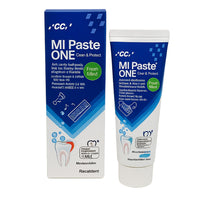
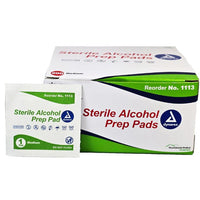

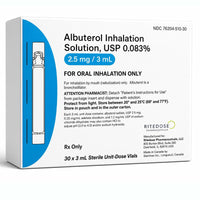
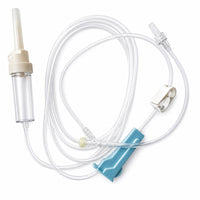

7 Questions to Ask Before Choosing a Medical Supply Supplier
Choosing a medical supply supplier affects far more than the price on a single invoice. The right partner helps your facility maintain consistent access to routine supplies, simplify purchasing, cut down on last-minute ordering, and keep operations running without interruption. The wrong one creates stockouts, surprise backorders, and hours lost chasing down substitutions.
This guide is a practical procurement framework for healthcare organizations evaluating a supplier. It is written for clinics and physician practices, MedSpas and aesthetic clinics, IV hydration and infusion practices, EMS and first-responder organizations, long-term-care and skilled-nursing facilities, schools and occupational-health programs, and institutional or government procurement teams.
The best supplier is not always the one with the lowest single-item price. It is the one that consistently meets your organization's product, ordering, delivery, documentation, and support needs. Use the seven questions below before you commit to a vendor.
Disclaimer: This guide is provided for general informational and procurement-planning purposes only. It is not medical, legal, regulatory, or clinical advice. Healthcare organizations should follow applicable laws, manufacturer instructions, product labeling, internal policies, and the guidance of qualified professionals when selecting and using medical supplies.
1. Does the Supplier Carry the Products Your Facility Uses Most?
Start with catalog fit. A supplier that stocks only part of what you need forces you to manage multiple vendors, reconcile multiple invoices, and track multiple shipments.
Look at both your everyday consumables and your specialized items. A strong supplier carries products across many categories, so you can consolidate ordering under one account. The practical benefit is real: fewer vendors to manage, fewer logins, and one point of contact when something goes wrong.
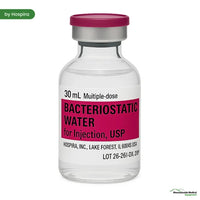
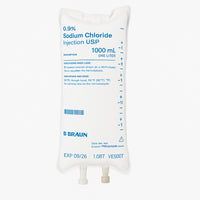
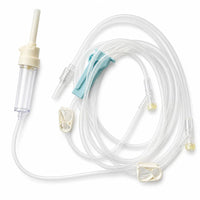
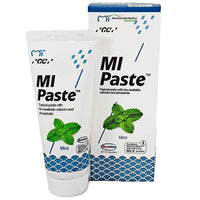
When you evaluate a catalog, check that it covers your routine disposables, your protective equipment, and any specialty products specific to your setting. A distributor with a broad range across medical supplies, syringes and needles, gloves and PPE, wound care, IV supplies, and medical equipment lets you standardize purchasing instead of splitting orders across suppliers.
Explore the full range of professional medical supplies for clinics, facilities, and healthcare organizations.
2. Can the Supplier Support Bulk Orders and Ongoing Replenishment?
High-use consumables are cheaper and simpler to manage when you buy them in the right quantities. Ask whether the supplier offers case packs, multipacks, and volume ordering, and whether the items you reorder most are consistently in stock.
Balance the savings against practical limits. For high-use, non-perishable, or appropriately stored consumables, bulk purchasing may help facilities reduce the cost per unit and minimize frequent reorder cycles. But storage space and expiry management matter, especially for anything with a shelf life. Predictable restocking beats chasing a marginal discount on something you cannot store or use in time.
A supplier that lets you build repeatable purchasing lists for common supplies saves your team time on every order. Suppliers that market to professional buyers often maintain a dedicated bulk program. Mountainside Medical's bulk medical supplies catalog is built for clinics, EMS teams, and institutional buyers who reorder core consumables on a schedule.
Browse bulk-friendly medical supply categories for high-use facility essentials.
3. Are Product Details, Labels, and Traceability Information Clear?
You cannot verify what you cannot see. Before you order, confirm the supplier provides accurate product titles and descriptions, manufacturer and brand information, and clear product specifications, including size, material, configuration, and compatibility.
For applicable products, look for expiration date, lot or batch information, and storage or handling instructions where they are included on the label. This matters most when a substitution could affect your workflow, so verify the exact item before purchasing rather than assuming an equivalent will behave the same way.
The FDA's Unique Device Identification system helps here. A device production identifier may include information such as a lot or batch number, serial number, manufacturing date, and expiration date when that information appears on the device label. Treat these as details to confirm where applicable and where included on the label, not as guarantees that every product displays every data point.
4. How Reliable Are Shipping, Availability, and Order Communication?
Even a perfect catalog fails you if orders arrive late or unannounced. Evaluate how the supplier communicates product availability, how it handles out-of-stock or backordered items, and whether it gives you clear order confirmation and tracking.
Check the delivery options against your operational needs, and look at packing accuracy and secure shipment. For supplies you need on a regular cadence, the ability to plan ahead is worth more than any single fast shipment. Review the supplier's published policies directly rather than relying on assumptions. Mountainside Medical publishes its shipping and delivery terms and an ordering guide you can read before you commit.
5. Does the Supplier Understand Your Type of Facility?
Product needs vary widely by buyer, and a supplier that understands your setting will be easier to work with.
Primary-care clinics tend to prioritize exam-room, diagnostic, and routine disposable supplies. MedSpas need aesthetic-procedure consumables, topical products, PPE, and injection-related supplies appropriate to their services and licensing. EMS teams prioritize durable, quickly accessible emergency and trauma supplies. Long-term-care facilities need consistent access to wound care, PPE, skin care, and daily-care products. Government and institutional buyers often carry additional procurement requirements on top of all of this.
If you are outfitting a new aesthetic practice, our MedSpa startup supplies checklist walks through the specific injectables, consumables, and PPE that setting requires. The point is simple: a supplier that already serves your facility type will stock what you need and understand how you order.
6. Is Customer Service Available When Your Team Needs It?
At some point an order will need a human. Ask what support the supplier offers for order status and account questions, help locating categories or compatible accessory products, and assistance with documentation, invoices, or purchasing questions.
Clear contact options matter, and so does reaching a team that understands professional purchasing. What you are looking for is operational support, not clinical advice. A distributor helps you find the right product category and resolve an order; it does not provide treatment planning, dosing recommendations, or clinical decision-making. Confirm the contact options before you rely on them, so you know how to reach support when a time-sensitive order needs help.
7. Does the Supplier Fit Your Quality, Documentation, and Procurement Requirements?
Finally, look at the fit between the supplier and your organization's standards. Confirm the supplier offers authentic products from established manufacturers and distributors, clear product documentation and labeling, and reliable, published policies. For facilities, institutions, or government buyers, confirm the supplier supports your purchasing structure, payment options, and compliance process.
Supplier credentials can be a deciding factor for some organizations. Mountainside Medical is a certified Service-Disabled Veteran-Owned Small Business (SDVOSB), which can matter to buyers with supplier-diversity or government-procurement requirements. The company has published guidance on how government contracts work for SDVOSBs on SAM.gov if that path is relevant to your organization.
One important caution on compliance language. Do not treat FDA establishment registration or device listing as approval. The FDA expressly states that registration and listing do not denote approval of an establishment or its products. If you use FDA registration information during vetting, understand what it does and does not mean, and avoid any supplier that markets itself as an "FDA-approved supplier."
Use This Checklist Before Your Next Medical Supply Order
Run any supplier you are considering through the same seven checks:
- Catalog fit: does it carry what you use most?
- Bulk-order capability: can it support volume buying and easy reordering?
- Product details and traceability: are labels, lots, and expiry information clear where applicable?
- Availability and shipping communication: will orders arrive on time, with notice when they will not?
- Facility-specific expertise: does it understand how your type of organization buys?
- Customer support: can you reach a real team when an order needs help?
- Quality and procurement fit: does it meet your documentation, compliance, and purchasing requirements?
Mountainside Medical supports clinics, healthcare providers, EMS teams, MedSpas, institutional buyers, and other professional customers with a broad selection of medical supplies, equipment, and eligible pharmaceutical products. Review the product categories most relevant to your organization, or reach out for help navigating your purchasing needs.
Find the right supplies for your facility. Browse Mountainside Medical's medical supplies and bulk-order categories, or contact the team for help with bulk and recurring purchasing needs.