 Skip to content



Understanding Ferumoxytol Patient Information for Iron Deficiency Treatment
Iron deficiency anemia (IDA) is a common condition that can significantly impact a person's quality of life. Many patients suffering from IDA do not respond well to oral iron supplements, prompting the need for intravenous iron therapy. One such medication that has grown increasingly popular for this purpose is Ferumoxytol. This blog post delves into essential Ferumoxytol patient information, how it is administered, its comparison with other intravenous (IV) iron treatments, and everything else you might need to know about Ferumoxytol injection for iron deficiency treatment.
What is Ferumoxytol?
Ferumoxytol is an intravenous iron replacement therapy primarily used to treat iron deficiency anemia in patients, especially those with chronic kidney disease. It is designed to replenish iron stores in the body more rapidly and effectively than traditional oral supplements. Ferumoxytol consists of a superparamagnetic iron oxide coated with a carbohydrate, which allows for controlled and safe distribution of iron within the body's tissues.
For patients in need of a reliable iron supplementation method, Ferumoxytol Injection Iron Replacement Medication may be an ideal choice. Supplied by Sandoz in a 30 mg/mL solution within a 17 mL single-dose vial, this product caters to healthcare professionals looking for rapid and effective treatment solutions.
Ferumoxytol Patient Information
When opting for Ferumoxytol treatment, it is essential that patients understand the key aspects and potential side effects associated with this medication. Here is some critical patient information regarding Ferumoxytol:
Indications
Ferumoxytol is indicated for the treatment of iron deficiency anemia in adult patients, particularly those who have chronic kidney disease (CKD). For patients who cannot tolerate oral iron supplements or require a faster remedy for their condition, Ferumoxytol is a suitable alternative.
Dosage and Administration
For effective treatment, Ferumoxytol is generally administered as two separate IV injections of 510 mg each, spaced at least 3 to 8 days apart. However, the healthcare provider administering the medication will determine the precise dosage based on individual patient requirements.
Side Effects
Like any medication, Ferumoxytol may cause side effects. Commonly reported side effects include hypotension, dizziness, nausea, and headaches. It is crucial for patients to consult with their healthcare providers to understand any potential adverse reactions specific to their health statuses.
Safety Precautions
Safety is paramount when receiving any medical treatment. Patients should inform their healthcare providers about any allergies, existing medical conditions, or other medications they might be taking. This is particularly important for those with a history of iron overload disorders.
How is Ferumoxytol Given?
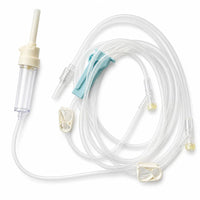
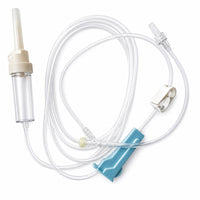
Understanding how Ferumoxytol is administered can demystify the treatment process for patients. Generally, Ferumoxytol is given via an intravenous infusion. The infusion typically takes about 15 minutes, and the entire process, including preparation time, usually lasts about an hour at the healthcare facility.
Healthcare professionals will monitor patients for potential reactions during and after the infusion. It is recommended that patients remain at the clinic or healthcare setting for a short observation period post-infusion, as immediate reactions, although rare, can occur.
For practical considerations, patients may ask for a detailed walkthrough of the infusion process from their healthcare provider, ensuring they are well-prepared for their treatment sessions.
Ferumoxytol vs. Other IV Iron Therapies
The decision to use Ferumoxytol over other IV iron therapies can be influenced by various factors, including efficacy, safety, patient tolerance, and speed of administration. Here's a comparison of Ferumoxytol with some other commonly used IV iron therapies:
Efficacy
Ferumoxytol rapidly increases hemoglobin levels and is highly effective even in patients who do not respond to oral iron supplements. Compared to other IV iron options, Ferumoxytol's dual-dose regimen can swiftly restore iron stores, making it a preferred choice for patients seeking quick improvement.
Safety Profile
While Ferumoxytol is associated with certain side effects, its overall safety profile is comparable to other IV iron options. It boasts a reduced risk of anaphylaxis or severe allergic reactions compared to older IV iron formulations.
Administration
Ferumoxytol's 15-minute infusion process offers convenience and minimal disruption to the patient's daily routine. Many traditional IV iron therapies require prolonged infusion times, which can be cumbersome for both patients and healthcare providers.
By understanding these differences, patients and healthcare professionals can make informed decisions about their treatment plans.
Conclusion
Effective treatment of iron deficiency anemia plays a crucial role in enhancing patients' quality of life. Ferumoxytol represents a viable and effective option for those requiring intravenous iron supplementation, particularly in cases where traditional oral treatments have failed.
Patients considering Ferumoxytol are encouraged to have open discussions with their healthcare providers about the potential benefits and risks associated with this treatment. To purchase Ferumoxytol Injection or learn more about its usage and specifications, visit Mountainside Medical's website.
By empowering patients with comprehensive and accurate Ferumoxytol patient information, we aim to support informed decision-making and contribute to improved health outcomes for those battling iron deficiency anemia.