 Skip to content




Understanding Lidocaine Injections in Pain Management Procedure
Pain management is a crucial component of modern healthcare, offering relief and improving the quality of life for countless individuals. Among the various approaches in pain management, lidocaine injections have become a cornerstone. They play an essential role not only in pain relief but also in facilitating other medical procedures that require local anesthesia. In this comprehensive post, we dive deep into understanding lidocaine injections, their role in pain management procedures, and the patient experience associated with them.
Visit Mountainside Medical Equipment for all your medical supply needs.
What are Lidocaine Injections?
Lidocaine is a local anesthetic belonging to the amino amide group, primarily used to numb tissues in a specific area. It blocks nerve signals in the body, thereby providing targeted pain relief. Lidocaine injections have widespread applications in minor surgical procedures, dental work, and as part of specific pain management strategies, making them a versatile tool in medical practice.
Role of Lidocaine Injections in Pain Management Procedures
Lidocaine injections are frequently utilized as part of pain management procedures to alleviate acute or chronic pain. These injections can be administered directly into the area causing discomfort or in a regional approach to target specific pain pathways. The objective is to provide effective pain relief, improve patient comfort, and enhance the outcomes of further medical interventions.
Procedure Preparation: Setting the Stage for Success
Before administering lidocaine injections, a comprehensive procedure prep is crucial. This step ensures that the process is safe, effective, and minimally discomforting for the patient. Procedure prep usually involves:
- Patient Evaluation: A thorough clinical evaluation to understand the patient's medical history, allergies, and specific pain concerns.
- Informed Consent: Educating the patient about the procedure, potential side effects, and expected outcomes to obtain informed consent.
- Site Selection: Identifying the precise target area for injection based on the pain source, anatomical considerations, and the type of pain management strategy.
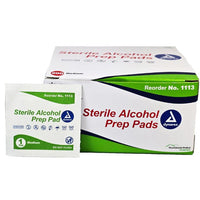
- Sterilization: Ensuring sterile conditions to prevent infections at the injection site.
Patient Experience: Tailoring Comfort and Care
One of the foundations of successful pain management procedures is optimizing the patient experience. This involves minimizing discomfort during the injection and ensuring the patient feels cared for throughout the process. Techniques to enhance the patient experience include:
- Using fine, high-quality needles for injection.
- Offering reassurance and clear communication to reduce anxiety.
- Monitoring the patient closely for any adverse reactions post-injection.
Products Supporting Pain Management with Lidocaine

To achieve effective pain management through lidocaine injections, selecting the right products is crucial. Here are some specialized offerings that cater to different pain management needs:
- Lidocaine HCl 1% Injection 20 mL Multiple-Dose Vials 25/Pack Hospira (RX): This product provides a reliable option for multiple procedures, ensuring adequate supply and consistent results.
- Lidocaine for Injection 1% Local Anesthetic, Hospira Multiple Dose Vials 50 mL 25/Pack (RX): Offering a larger volume per vial, this choice is suitable for settings requiring frequent and larger applications.
For additional solutions, visit the Lidocaine Injections collection for a comprehensive range of products tailored to pain management.
Advantages of Using Lidocaine Injections
Lidocaine injections present several advantages, contributing to their widespread use in various pain management procedures:
- Rapid Onset: Lidocaine has a quick onset of action, providing near-immediate relief in acute settings.
- Local Action: By targeting localized areas, these injections minimize systemic side effects compared to oral or intravenous medications.
- Versatility: They can be used for nerve blocks, surface anesthesia, and infiltration anesthesia, making them adaptable for diverse medical situations.
- Safety Profile: Generally safe when used appropriately, lidocaine injections have a well-documented safety profile, especially in controlled clinical environments.
Conclusion
Lidocaine injections continue to be a pivotal element in pain management procedures, offering effective, targeted relief. Through proper procedure prep, ongoing patient communication, and the utilization of high-quality products, healthcare providers can greatly enhance the patient experience and outcomes.
For more information about lidocaine injections and pain management solutions, visit Mountainside Medical Equipment.
Explore our curated collections and find the right lidocaine products to meet your clinical needs. Whether you are a patient or a healthcare provider, understanding the role and applications of lidocaine can make a significant difference in pain management journeys.
Note: Always consult a healthcare professional before starting any new treatment or procedure.