 Skip to content



What is Injectafer Injection Used For: Ferric Carboxymaltose and Iron Deficiency Anemia Overview
Iron deficiency anemia is a prevalent condition that affects millions worldwide, leading to fatigue, weakness, and a variety of health complications. In many cases, oral iron supplements are prescribed to replenish iron levels and combat anemia, but for some individuals, these treatments are insufficient or unsuitable. That's where Injectafer Injection, a prescription iron replacement medication, comes into play. In this blog post, we will delve into what Injectafer is used for, its composition, administration, dosage, effectiveness, and whether additional iron supplements are necessary post-treatment.
Visit Mountainside Medical Equipment to explore more about Injectafer Injection and other related products.
Understanding Iron Deficiency Anemia
Iron deficiency anemia occurs when the body lacks sufficient iron to produce hemoglobin, a protein in red blood cells responsible for carrying oxygen throughout the body. Symptoms commonly include fatigue, pale skin, dizziness, and shortness of breath. When dietary changes and oral iron supplements prove inadequate, Injectable iron supplements like Injectafer become vital.
What is Injectafer Injection Used For?
Injectafer, with its active ingredient Ferric Carboxymaltose, is specifically used to treat iron deficiency anemia in adults who have not responded well to oral iron treatments or cannot tolerate them. It serves as a crucial alternative for patients needing rapid replenishment of iron stores in their body.
For further information, consider checking the Injectafer (Ferric Carboxymaltose) Injection 750 mg/15mL Vial.
Ferric Carboxymaltose: A Deeper Insight
Ferric Carboxymaltose is a form of iron that is stabilized with a carbohydrate shell, enabling safe and efficient delivery of a higher iron dose in a single administration. This stability minimizes the risk of free iron toxicity, which can often accompany other IV iron treatments.
How is Injectafer Administered?
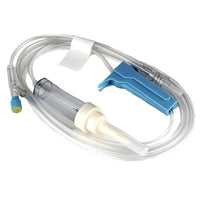
Injectafer is given as an intravenous (IV) infusion. The administration is typically quick, lasting about 15 minutes, allowing for flexibility and minimal disruption to one's daily routine. Administering Injectafer intravenously ensures that it bypasses the gastrointestinal tract, making it ideal for those who have difficulty absorbing oral iron.
How Many Doses Will I Need?
The typical dosing regimen involves administering 750 mg of Ferric Carboxymaltose in 15 mL vials, often split into two doses. These doses are usually spaced a week apart to facilitate optimal absorption and monitoring.
How Quickly Does Injectafer Work?
Patients often query the speed at which Injectafer takes effect. Many individuals begin to notice an improvement in their symptoms within a week, though the timeline can vary depending on the severity of the anemia and individual response to treatment. Full blood work typically shows improved iron levels within a month.
Will I Need Iron Supplements After Injectafer?
The need for additional oral iron supplements post-Injectafer treatment will depend largely on the underlying cause of your iron deficiency anemia and how well your body maintains iron levels after treatment. Your healthcare provider will guide you on whether supplementation is necessary.
In conclusion, Injectafer Injection plays a critical role in managing iron deficiency anemia, particularly for those unable to benefit from traditional oral iron supplements. It's essential to follow medical guidance on administration, doses, and post-treatment requirements for optimal outcomes.
Feel free to explore more of Injectafer (Ferric Carboxymaltose) Injection 750 mg/15mL Vial for insights into product specifics and further treatments.
For more comprehensive healthcare products and information, visit Mountainside Medical Equipment.
Remember, always consult with a healthcare professional before starting any new treatment to ensure it aligns with your personal health needs.