
Aesthetic Supplies, Med Spa Supplies to Cosmetic Surger and Aesthetics Supplies
Aesthetic supplies generally refer to the tools, products, and materials used in non-surgical cosmetic treatments (often provided in settings like medical spas, dermatology clinics, or aesthetic clinics). These supplies are focused on procedures that enhance appearance without surgery, such as injectables, skin treatments, and laser therapies. In contrast to “cosmetic surgery supplies” (which are for surgical operations), aesthetic supplies are used for minimally invasive or non-invasive treatments often performed by dermatologists, nurses, or trained medical aestheticians. Here’s an overview of what aesthetic supplies encompass:
What Are Aesthetic Supplies?
Aesthetic supplies include a broad range of items needed to perform medical aesthetic procedures. Some key categories are:
-
Injectables (Fillers & Toxins) and Their Accessories: One of the core offerings of aesthetic clinics is treatments like Botox injections and dermal fillers. Botox (botulinum toxin) is used to relax wrinkles, and fillers (like hyaluronic acid gels such as Juvederm, Restylane) are used to plump up lines or add volume to areas like lips and cheeks. These products themselves (the vials or syringes of filler/toxin) are crucial aesthetic supplies. Additionally, all the accessories to administer them are included: syringes, needles, alcohol swabs, gloves, and sharps containers (for safe needle disposal). Because injectable treatments are so popular – for example, Botox was the number one minimally invasive cosmetic procedure with about 7.4 million injections in the U.S. in 2019 – having a stock of these products and the right needles/syringes is fundamental.
-
Skincare and Chemical Peels: Many aesthetic practices offer chemical peels, microdermabrasion, and similar skin treatments. Supplies for these include chemical solutions (like glycolic acid, salicylic acid, trichloroacetic acid for peels), applicators or brushes to apply peels, neutralizing agents (to stop the peel), and post-peel skincare like soothing serums or sunscreens. In the realm of skincare, clinics also keep medical-grade skincare products – cleansers, moisturizers, retinol creams, vitamin C serums, etc. – both for use during facials or treatments and to retail to patients for at-home use. These products help maintain and enhance the results of treatments, making them an important part of “aesthetic supplies”. For example, a clinic might use a special hyaluronic acid mask after a microneedling session (another supply), or sell a specific sunscreen that pairs well with laser treatments.
-
Lasers and Energy Device Consumables: Aesthetic medicine frequently uses laser machines and other energy-based devices for hair removal, skin resurfacing, wrinkle reduction, and more. While the machines themselves are capital equipment, the consumable supplies associated with them are part of aesthetic supplies. This includes things like replacement laser handpieces, protective eyewear for patient and provider, coupling gel (for ultrasound or RF devices), and disposable tips or cartridges (e.g., some laser systems have a tip that is replaced regularly for hygiene and performance). Also included are cooling gels or calming creams used after laser treatments, and skin marking pencils (for delineating treatment areas). For example, an IPL (intense pulsed light) machine might require a new flash lamp after a certain number of pulses – having those on hand is part of running an aesthetic clinic.
-
Microneedling Devices and Supplies: Microneedling (collagen induction therapy) is popular for improving skin texture, scars, and fine lines. It involves using devices with tiny needles to puncture the skin slightly. Supplies here include microneedling pens or rollers and their disposable needle cartridges. Additionally, clinics use serums (like hyaluronic acid or PRP) during microneedling to enhance results, so those serums and the kits to draw or prepare them (like PRP kits if using platelet-rich plasma from the patient’s blood) are part of the arsenal. After microneedling, practitioners apply specialized masks or balms, which are also supplies to keep stocked.
-
PRP Kits and Tubes: Speaking of PRP (Platelet-Rich Plasma) – this is a treatment where a patient’s blood is drawn, spun down in a centrifuge, and the plasma (rich in growth factors) is re-injected into the skin or scalp (for hair growth, etc.). Many aesthetic clinics offer PRP facials or injections. The supplies needed for this include blood draw kits (butterfly needles, tubes), centrifuge machines, and special PRP tubes that separate the plasma. These tubes often have a gel separator or anticoagulant inside and are specifically made for PRP preparation. So, items like Vacutainer® tubes and infusion kits are not only general medical supplies, but specifically needed if you’re doing PRP or IV drips in an aesthetic context.
-
Everyday Medical Supplies (for a Clinical Setting): Aesthetic clinics, though focusing on beauty, are still medical environments. Therefore, much of the supply list overlaps with typical medical office supplies. This includes gloves (often nitrile gloves for those with latex allergies), masks, disinfectants, hand sanitizers, cotton pads, gauze, and alcohol wipes. They also have consumables like bed sheets or exam table paper, disposable headbands or gowns for patients, etc. All these hygiene and comfort items ensure treatments are done safely and professionally. Disinfection products and sterilization supplies (like autoclaves or cold sterilant solutions for any reusable tools) are absolutely essential. For instance, if a clinic does microblading (a semi-permanent makeup procedure), they’ll need to sterilize certain instruments and have disposable parts, so cleaning supplies are on the list as well.
-
Treatment Room Equipment: Some aesthetic supplies lists include treatment beds or chairs, good lighting (LED ring lights or exam lights), and magnifying lamps as crucial items for a clinic. While these are durable goods rather than consumables, they are part of setting up an aesthetic practice. A comfortable, adjustable treatment chair or table is needed for procedures like injections or facials so that the provider can position the client properly. Skin analysis devices are also increasingly popular – these are machines or camera systems that can analyze pores, wrinkles, pigmentation in detail, so a clinic might invest in one to better recommend treatments.
-
Cosmetic/Aesthetic Consumables: Beyond clinical treatments, aesthetic practices may offer things like facials, waxing, lash/brow services. So, aesthetic supplies can also refer to disposable spa supplies: for example, esthetic wipes, face sponges, sheets, disposable applicators (for creams or wax), lash brushes, etc. Even spa robes, slippers, and headbands for client comfort might be considered part of aesthetic supplies if the clinic combines med spa services with pampering (some places brand themselves as a fusion of spa and medical clinic). For injectables or minor procedures, cold packs or numbing creams (topical anesthetics like lidocaine cream) are critical supplies to reduce discomfort for patients.
-
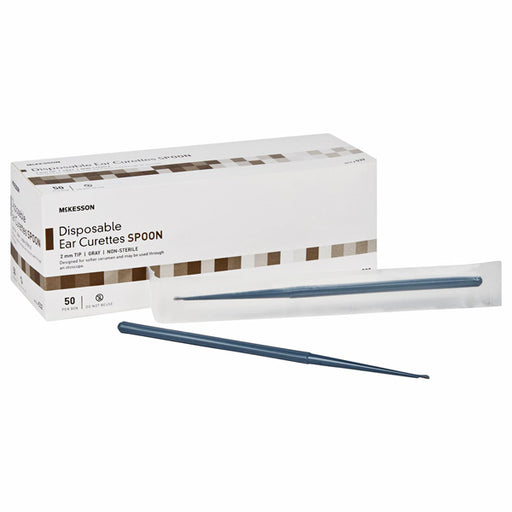 Sale 37%
Original price $ 49.50Current price $ 31.00
Sale 37%
Original price $ 49.50Current price $ 31.00Ear Curette with Grooves 2 mm Size with Spoon Cup Tip, Disposable 50/Box
Ear curettes with grooves and a 2 mm size with spoon cup tip are disposable medical instruments used to remove earwax and debris from the ear canal...
View full details -
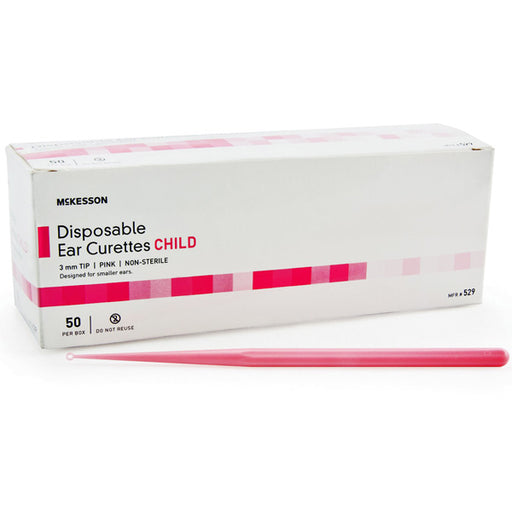 Sale 31%
Original price $ 47.95Current price $ 33.00
Sale 31%
Original price $ 47.95Current price $ 33.00Ear Curetts for Children with Grooves 3 mm Size with Round Tip, Disposable 50/Box
Ear Curettes, are specially designed curettes scoops ear wax with ease from children's ear canal.Ear curettes are small, specialized instruments us...
View full details -
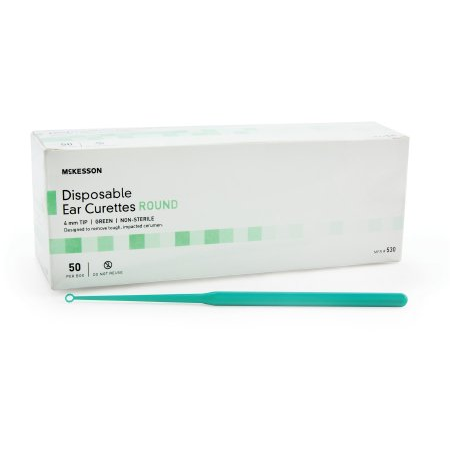 Sale 33%
Original price $ 48.95Current price $ 33.00
Sale 33%
Original price $ 48.95Current price $ 33.00Ear Curettes with Grooves 4 mm Round Tip, 50/Box
Ear curettes are small tools used by healthcare professionals to remove earwax or other debris from the ear canal. The round tip refers to the shap...
View full details -
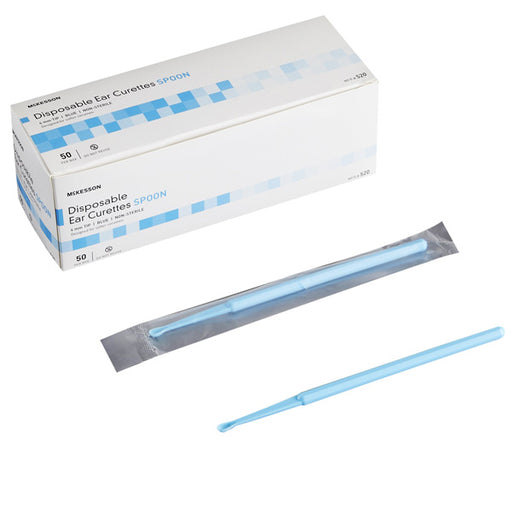 Sale 28%
Original price $ 89.95Current price $ 65.00
Sale 28%
Original price $ 89.95Current price $ 65.00Ear Curette with Grooves 4 mm Curved Tip, Disposable 50/Box
Ear curettes with grooves are medical instruments commonly used by ear specialists (otolaryngologists) to remove accumulated earwax or debris from ...
View full details
Aesthetic supplies generally refer to the tools, products, and materials used in non-surgical cosmetic treatments (often provided in settings like medical spas, dermatology clinics, or aesthetic clinics). These supplies are focused on procedures that enhance appearance without surgery, such as injectables, skin treatments, and laser therapies. In contrast to “cosmetic surgery supplies” (which are for surgical operations), aesthetic supplies are used for minimally invasive or non-invasive treatments often performed by dermatologists, nurses, or trained medical aestheticians. Here’s an overview of what aesthetic supplies encompass:
What Are Aesthetic Supplies?
Aesthetic supplies include a broad range of items needed to perform medical aesthetic procedures. Some key categories are:
-
Injectables (Fillers & Toxins) and Their Accessories: One of the core offerings of aesthetic clinics is treatments like Botox injections and dermal fillers. Botox (botulinum toxin) is used to relax wrinkles, and fillers (like hyaluronic acid gels such as Juvederm, Restylane) are used to plump up lines or add volume to areas like lips and cheeks. These products themselves (the vials or syringes of filler/toxin) are crucial aesthetic supplies. Additionally, all the accessories to administer them are included: syringes, needles, alcohol swabs, gloves, and sharps containers (for safe needle disposal). Because injectable treatments are so popular – for example, Botox was the number one minimally invasive cosmetic procedure with about 7.4 million injections in the U.S. in 2019 – having a stock of these products and the right needles/syringes is fundamental.
-
Skincare and Chemical Peels: Many aesthetic practices offer chemical peels, microdermabrasion, and similar skin treatments. Supplies for these include chemical solutions (like glycolic acid, salicylic acid, trichloroacetic acid for peels), applicators or brushes to apply peels, neutralizing agents (to stop the peel), and post-peel skincare like soothing serums or sunscreens. In the realm of skincare, clinics also keep medical-grade skincare products – cleansers, moisturizers, retinol creams, vitamin C serums, etc. – both for use during facials or treatments and to retail to patients for at-home use. These products help maintain and enhance the results of treatments, making them an important part of “aesthetic supplies”. For example, a clinic might use a special hyaluronic acid mask after a microneedling session (another supply), or sell a specific sunscreen that pairs well with laser treatments.
-
Lasers and Energy Device Consumables: Aesthetic medicine frequently uses laser machines and other energy-based devices for hair removal, skin resurfacing, wrinkle reduction, and more. While the machines themselves are capital equipment, the consumable supplies associated with them are part of aesthetic supplies. This includes things like replacement laser handpieces, protective eyewear for patient and provider, coupling gel (for ultrasound or RF devices), and disposable tips or cartridges (e.g., some laser systems have a tip that is replaced regularly for hygiene and performance). Also included are cooling gels or calming creams used after laser treatments, and skin marking pencils (for delineating treatment areas). For example, an IPL (intense pulsed light) machine might require a new flash lamp after a certain number of pulses – having those on hand is part of running an aesthetic clinic.
-
Microneedling Devices and Supplies: Microneedling (collagen induction therapy) is popular for improving skin texture, scars, and fine lines. It involves using devices with tiny needles to puncture the skin slightly. Supplies here include microneedling pens or rollers and their disposable needle cartridges. Additionally, clinics use serums (like hyaluronic acid or PRP) during microneedling to enhance results, so those serums and the kits to draw or prepare them (like PRP kits if using platelet-rich plasma from the patient’s blood) are part of the arsenal. After microneedling, practitioners apply specialized masks or balms, which are also supplies to keep stocked.
-
PRP Kits and Tubes: Speaking of PRP (Platelet-Rich Plasma) – this is a treatment where a patient’s blood is drawn, spun down in a centrifuge, and the plasma (rich in growth factors) is re-injected into the skin or scalp (for hair growth, etc.). Many aesthetic clinics offer PRP facials or injections. The supplies needed for this include blood draw kits (butterfly needles, tubes), centrifuge machines, and special PRP tubes that separate the plasma. These tubes often have a gel separator or anticoagulant inside and are specifically made for PRP preparation. So, items like Vacutainer® tubes and infusion kits are not only general medical supplies, but specifically needed if you’re doing PRP or IV drips in an aesthetic context.
-
Everyday Medical Supplies (for a Clinical Setting): Aesthetic clinics, though focusing on beauty, are still medical environments. Therefore, much of the supply list overlaps with typical medical office supplies. This includes gloves (often nitrile gloves for those with latex allergies), masks, disinfectants, hand sanitizers, cotton pads, gauze, and alcohol wipes. They also have consumables like bed sheets or exam table paper, disposable headbands or gowns for patients, etc. All these hygiene and comfort items ensure treatments are done safely and professionally. Disinfection products and sterilization supplies (like autoclaves or cold sterilant solutions for any reusable tools) are absolutely essential. For instance, if a clinic does microblading (a semi-permanent makeup procedure), they’ll need to sterilize certain instruments and have disposable parts, so cleaning supplies are on the list as well.
-
Treatment Room Equipment: Some aesthetic supplies lists include treatment beds or chairs, good lighting (LED ring lights or exam lights), and magnifying lamps as crucial items for a clinic. While these are durable goods rather than consumables, they are part of setting up an aesthetic practice. A comfortable, adjustable treatment chair or table is needed for procedures like injections or facials so that the provider can position the client properly. Skin analysis devices are also increasingly popular – these are machines or camera systems that can analyze pores, wrinkles, pigmentation in detail, so a clinic might invest in one to better recommend treatments.
-
Cosmetic/Aesthetic Consumables: Beyond clinical treatments, aesthetic practices may offer things like facials, waxing, lash/brow services. So, aesthetic supplies can also refer to disposable spa supplies: for example, esthetic wipes, face sponges, sheets, disposable applicators (for creams or wax), lash brushes, etc. Even spa robes, slippers, and headbands for client comfort might be considered part of aesthetic supplies if the clinic combines med spa services with pampering (some places brand themselves as a fusion of spa and medical clinic). For injectables or minor procedures, cold packs or numbing creams (topical anesthetics like lidocaine cream) are critical supplies to reduce discomfort for patients.