Skip to content
New users? Get 5% off on your first purchase.
Free US shipping over $100
New users? Get 5% off on your first purchase.
Free US shipping over $100

Added to your cart:

Cart subtotal

Filters

Price
$
-
$
$0 $1999
Collection

Albumin Human Injections

Albumin Human Injections

FDA-Approved Albumin Human Injections for Fluid Resuscitation, Hypovolemia, Shock, Burn Therapy & Critical Care

Albumin human injections are FDA-approved, hospital-grade plasma volume expanders trusted by nephrologists, critical care physicians, liver specialists, emergency departments, and pharmacy teams for rapid volume expansion, colloid osmotic support, and treatment of hypovolemia, shock, burns, hypoalbuminemia, nephrotic syndrome, and liver failure. Derived from carefully screened human plasma and manufactured under rigorous safety standards, albumin injections deliver sterile, concentrated protein therapy for life-saving interventions in ICU, OR, dialysis, trauma, and surgical settings.

Purpose

  • Rapid Plasma Volume Expansion: Increases blood volume, restores colloid osmotic pressure, and supports hemodynamic stability in critically ill patients.
  • Oncotic Pressure Support: Maintains vascular fluid balance when endogenous albumin is depleted.
  • Protein Replacement: Treats hypoalbuminemia due to liver disease, nephrotic syndrome, burns, or critical illness.
  • Drug Carrier & Diagnostic Use: Assists in delivery and assessment of certain medications or radioactive markers.

Uses

  • Hypovolemic Shock from Blood Loss, Trauma, or Burns
  • Acute/Chronic Hypoalbuminemia: Cirrhosis, liver failure, nephrotic syndrome, malnutrition, surgery
  • Plasma Exchange (Plasmapheresis)
  • Paracentesis / Large-Volume Ascites Removal
  • Cardiopulmonary Bypass / ECMO Support
  • Prevention and Management of Hepatorenal Syndrome
  • Severe Sepsis and Critical Care Resuscitation
  • Burn Therapy: Maintain colloid pressure post severe burns
  • Hemodialysis / Renal Replacement Therapy: Treats volume depletion and supports BP stabilization

Types & Popular Brands

Types:

  • Albumin Human 5% Solution: Isotonic—commonly used for acute volume expansion, large-volume paracentesis, sepsis, and surgery
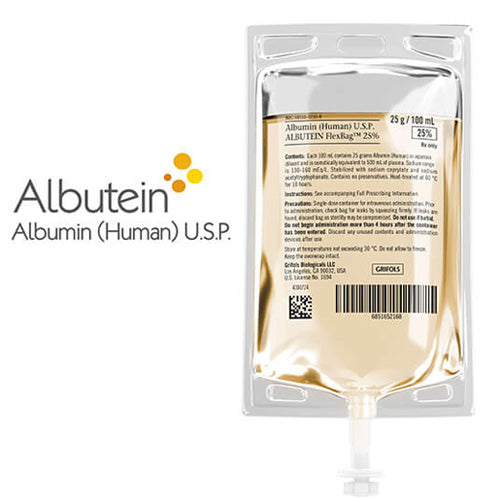
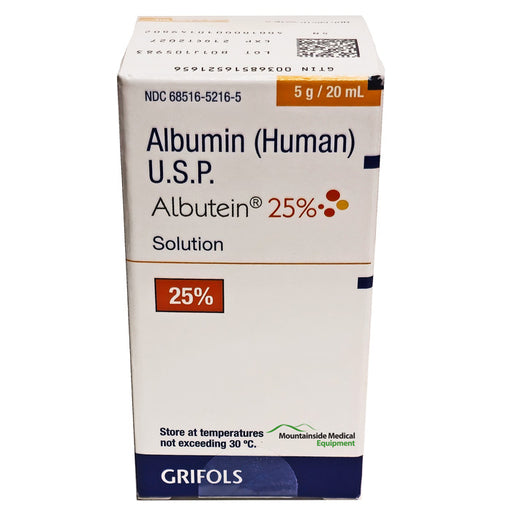
  • Albumin Human 25% Solution: Hyperoncotic—used when rapid and sustained volume/protein replacement is needed with minimal fluid administration (e.g., liver failure, nephrotic syndrome, burn therapy, hypoalbuminemia)
  • Single-Dose, Sterile, Pyrogen-Free Bottles and Vials: For IV infusion only; preservative-free
  • Adjustable Bag/Bottle Sizes: 50 mL, 100 mL, 250 mL for dosing flexibility

Popular Brands:

  • Albuked® (Grifols)
  • Flexbumin® (Baxter)
  • Albuminar® (CSL Behring)
  • Plasbumin® (Talecris/Baxter)
  • Octalbin® (Octapharma)
  • AlbuRx® (CSL Behring)
  • Generic USP-compliant albumin injections

Strengths

  • 5% Albumin Solutions: 5 g albumin per 100 mL (isooncotic)
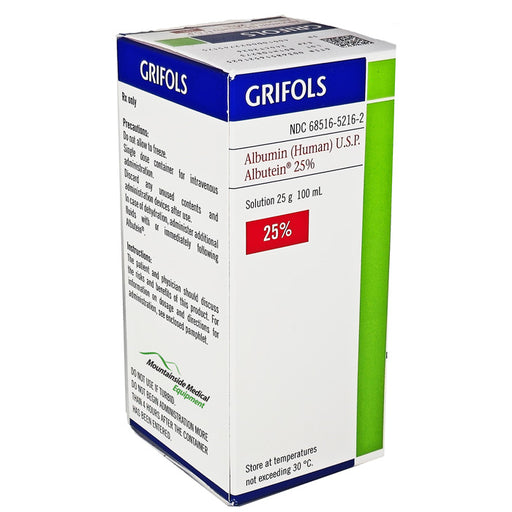
  • 25% Albumin Solutions: 25 g albumin per 100 mL (hyperoncotic)
  • Concentration Selection: Provider tailors strength according to volume status, serum albumin, and clinical target.
  • Available Sizes: 50 mL, 100 mL, 250 mL vials/bottles for hospital and emergency infusion.

Precautions

  • IV Use Only: Administer with sterile technique and appropriate filter; NEVER give as IV push.
  • Monitor Volume Status: Avoid in patients with severe anemia or at risk of hypervolemia/pulmonary edema—monitor for fluid overload (JVD, crackles, dyspnea).
  • Electrolyte Imbalance: May require correction of hypocalcemia/hypokalemia before/after administration.
  • Do Not Mix with Other Drugs: Only dilute with isotonic/compatible fluids as labeled; avoid mixing in-line with other drugs.
  • Allergic and Anaphylactic Reactions: Discontinue immediately for rash, hypotension, bronchospasm.
  • Infectious Risk: Human plasma-derived; risk is extremely low due to modern viral inactivation but must be weighed in immunosuppressed patients.
  • Children, Pregnancy, Renal/Liver Patients: Dose adjustment and close monitoring may be required.
  • Monitor Labs: Check albumin, electrolytes, renal & liver function, and hemodynamics during/after infusion.
  • Storage: Keep at 2°C–25°C and avoid freezing—discard if cloudy, leaking, or expired.

Get rapid, safe, and effective volume expansion and critical support with the world’s leading Albumin Human Injections—FDA-approved, hospital-trusted, and recommended for shock, hypoalbuminemia, burns, liver disease, plasmapheresis, and more. Shop Albuked®, Flexbumin®, Albuminar®, Plasbumin®, Octalbin®, and top generics for 5% & 25% albumin IV infusions—order online for prompt delivery and unmatched clinical care for your pharmacy, ICU, ER, or surgical team!

Albumin Human Injections

FDA-Approved Albumin Human Injections for Fluid Resuscitation, Hypovolemia, Shock, Burn Therapy & Critical Care

Albumin human injections are FDA-approved, hospital-grade plasma volume expanders trusted by nephrologists, critical care physicians, liver specialists, emergency departments, and pharmacy teams for rapid volume expansion, colloid osmotic support, and treatment of hypovolemia, shock, burns, hypoalbuminemia, nephrotic syndrome, and liver failure. Derived from carefully screened human plasma and manufactured under rigorous safety standards, albumin injections deliver sterile, concentrated protein therapy for life-saving interventions in ICU, OR, dialysis, trauma, and surgical settings.

Purpose

  • Rapid Plasma Volume Expansion: Increases blood volume, restores colloid osmotic pressure, and supports hemodynamic stability in critically ill patients.
  • Oncotic Pressure Support: Maintains vascular fluid balance when endogenous albumin is depleted.
  • Protein Replacement: Treats hypoalbuminemia due to liver disease, nephrotic syndrome, burns, or critical illness.
  • Drug Carrier & Diagnostic Use: Assists in delivery and assessment of certain medications or radioactive markers.

Uses

  • Hypovolemic Shock from Blood Loss, Trauma, or Burns
  • Acute/Chronic Hypoalbuminemia: Cirrhosis, liver failure, nephrotic syndrome, malnutrition, surgery
  • Plasma Exchange (Plasmapheresis)
  • Paracentesis / Large-Volume Ascites Removal
  • Cardiopulmonary Bypass / ECMO Support
  • Prevention and Management of Hepatorenal Syndrome
  • Severe Sepsis and Critical Care Resuscitation
  • Burn Therapy: Maintain colloid pressure post severe burns
  • Hemodialysis / Renal Replacement Therapy: Treats volume depletion and supports BP stabilization

Types & Popular Brands

Types:

  • Albumin Human 5% Solution: Isotonic—commonly used for acute volume expansion, large-volume paracentesis, sepsis, and surgery
  • Albumin Human 25% Solution: Hyperoncotic—used when rapid and sustained volume/protein replacement is needed with minimal fluid administration (e.g., liver failure, nephrotic syndrome, burn therapy, hypoalbuminemia)
  • Single-Dose, Sterile, Pyrogen-Free Bottles and Vials: For IV infusion only; preservative-free
  • Adjustable Bag/Bottle Sizes: 50 mL, 100 mL, 250 mL for dosing flexibility

Popular Brands:

  • Albuked® (Grifols)
  • Flexbumin® (Baxter)
  • Albuminar® (CSL Behring)
  • Plasbumin® (Talecris/Baxter)
  • Octalbin® (Octapharma)
  • AlbuRx® (CSL Behring)
  • Generic USP-compliant albumin injections

Strengths

  • 5% Albumin Solutions: 5 g albumin per 100 mL (isooncotic)
  • 25% Albumin Solutions: 25 g albumin per 100 mL (hyperoncotic)
  • Concentration Selection: Provider tailors strength according to volume status, serum albumin, and clinical target.
  • Available Sizes: 50 mL, 100 mL, 250 mL vials/bottles for hospital and emergency infusion.

Precautions

  • IV Use Only: Administer with sterile technique and appropriate filter; NEVER give as IV push.
  • Monitor Volume Status: Avoid in patients with severe anemia or at risk of hypervolemia/pulmonary edema—monitor for fluid overload (JVD, crackles, dyspnea).
  • Electrolyte Imbalance: May require correction of hypocalcemia/hypokalemia before/after administration.
  • Do Not Mix with Other Drugs: Only dilute with isotonic/compatible fluids as labeled; avoid mixing in-line with other drugs.
  • Allergic and Anaphylactic Reactions: Discontinue immediately for rash, hypotension, bronchospasm.
  • Infectious Risk: Human plasma-derived; risk is extremely low due to modern viral inactivation but must be weighed in immunosuppressed patients.
  • Children, Pregnancy, Renal/Liver Patients: Dose adjustment and close monitoring may be required.
  • Monitor Labs: Check albumin, electrolytes, renal & liver function, and hemodynamics during/after infusion.
  • Storage: Keep at 2°C–25°C and avoid freezing—discard if cloudy, leaking, or expired.

Get rapid, safe, and effective volume expansion and critical support with the world’s leading Albumin Human Injections—FDA-approved, hospital-trusted, and recommended for shock, hypoalbuminemia, burns, liver disease, plasmapheresis, and more. Shop Albuked®, Flexbumin®, Albuminar®, Plasbumin®, Octalbin®, and top generics for 5% & 25% albumin IV infusions—order online for prompt delivery and unmatched clinical care for your pharmacy, ICU, ER, or surgical team!

FAQs for Albumin Human Injection

  • What Is Albumin Human Injection Used For?

    Albumin Human Injection is a purified, sterile solution of human serum albumin used for restoring and maintaining plasma volume in conditions such as hypovolemia, hypoproteinemia, burns, shock, nephrotic syndrome, and acute liver failure. It is FDA approved and trusted in hospitals worldwide for rapid fluid resuscitation, support during surgery, and treatment of albumin deficiency.

  • Is Albumin IV Safe for Pregnancy?

    Yes, Human Albumin Injection may be considered safe in pregnancy when clearly needed and prescribed by a physician, especially if the benefit outweighs the risk. Always consult with your doctor.

  • How Long Does an Albumin Injection Last?

    The effects usually last 16–24 hours, but the duration can vary by indication, patient needs, and rate of consumption in critical illness.

  • How to Administer Human Albumin?

    Albumin injection is administered intravenously (IV) slowly by a healthcare professional, typically in a hospital or clinic. Dosage depends on the indication, age, and severity.

  • What Are the Risks of Using Human Albumin?

    Potential risks include allergic reactions, fluid overload, increased intracranial pressure, infection transmission risk (rare), and anaphylaxis. Proper monitoring is essential.

  • Can Low Albumin Cause Death?

    Yes, severe hypoalbuminemia can lead to life-threatening complications such as shock, edema, organ failure, blood clotting disorders, and even death if untreated.

  • What is Human Albumin Made From?

    Human albumin is plasma-derived from healthy, screened donor blood using advanced fractionation and purification techniques to ensure safety.

  • Why Would Albumin Be Given IV?

    It is given IV to rapidly expand plasma volume, correct albumin deficiency, support drug delivery, and treat shock, burns, liver conditions, or acute illness.

  • How Many Albumin Injections Are Given?

    The number of albumin injections varies by medical need, ranging from one-time bolus doses to serial infusions over days during critical illness.

  • What Foods Increase Albumin Levels?

    High-protein foods such as eggs, lean meats, fish, dairy products, soy, nuts, and legumes naturally boost albumin levels when deficiency is due to poor intake.

  • Why Is Albumin Injection Costly?

    Albumin injection is costly due to the complex donor screening, purification, and viral inactivation processes required for safety and efficacy.

  • Do You Need a Prescription for Albumin?

    Yes, albumin is a prescription medication strictly regulated and administered by healthcare professionals.

  • Why Is An Albumin Injection Given Slowly?

    Slow IV infusion helps prevent fluid overload, pulmonary edema, and cardiovascular complications, especially in the elderly or those with heart conditions.

  • What Organ Does Albumin Affect?

    Albumin primarily supports the liver, kidneys, and cardiovascular system by maintaining osmotic pressure and fluid balance.

  • What Does Albumin Do to the Heart?

    By increasing intravascular volume, albumin supports cardiac output but must be used carefully in heart failure to avoid overload.

  • Does Vitamin D Increase Albumin?

    Vitamin D status can influence albumin synthesis, but alone is not a treatment for hypoalbuminemia.

  • Can Low Albumin Cause Blood Clots?

    Severe hypoalbuminemia increases the risk of blood clots and thromboembolism due to altered blood viscosity and flow.

  • Why Choose Our Albumin Human Injection?

    US/EU Approved Stringent Purity & Safety Standards Hospital-Grade Effectiveness Backed by Decades of Clinical Success Fast Shipping, Exceptional Support

Albumin Human Injection: Essential for Emergency and Critical Care

Medical Uses

Albumin injections are primarily used for their ability to maintain colloid osmotic pressure in the blood:

  • Hypovolemia: Restores and maintains blood volume after trauma, surgery, or burns.
  • Hypoalbuminemia: Corrects low albumin levels due to malnutrition, major injury, infections, pancreatitis, or liver disease.
  • Severe Burns: Administered after the initial 24 hours to replace protein loss and stabilize cardiovascular function.
  • Liver Cirrhosis with Ascites: Prevents fluid shifts after large-volume paracentesis.
  • Adult Respiratory Distress Syndrome (ARDS): Used with diuretics to manage fluid volume overload.
  • Hemolytic Disease of the Newborn: Treats severe cases in newborns.
  • Ovarian Hyperstimulation Syndrome (OHSS): Manages fluid shifts in severe cases.
  • Cardiopulmonary Bypass Surgery: Used as a priming fluid.

Mechanism of Action

Albumin maintains body colloid osmotic pressure, preventing fluid leakage from blood vessels:

  • Volume Expansion: Draws fluid from tissues into the bloodstream, increasing circulating blood volume and reducing edema.
  • Carrier Protein: Transports hormones, enzymes, fatty acids, and drugs.

Administration

Administered via intravenous (IV) infusion, albumin is available in 5% and 25% concentrations:

  • Dosage and Infusion: Adjusted based on the patient’s condition and response.
  • Dilution: Should be diluted with normal saline or 5% dextrose, not sterile water.
  • Solution Quality: Use only clear or slightly colored solutions; avoid using cloudy or particle-containing solutions.

Risks and Contraindications

While adverse reactions are rare, careful consideration is necessary:

  • Allergic Reactions: Not suitable for those with hypersensitivity to albumin; symptoms include hives and wheezing.
  • Fluid Overload: Risk for patients with severe heart
    failure, pulmonary edema, or hypertension. Monitor for overload signs
    like shortness of breath.
  • Severe Anemia: Albumin does not carry oxygen and may dilute red blood cells, impacting oxygenation.
  • Infectious Disease Risk: Extremely low risk of disease transmission due to advanced manufacturing processes.

Albumin injection is a life-saving solution, essential in various medical scenarios. Always consult healthcare providers for proper administration and monitoring.

Get Notified When Back in Stock