Skip to content
Year-End Sale is Live Now - Up to 50% off
New users? Get 5% off on your first purchase.
Free US shipping over $100
Year-End Sale is Live Now - Up to 50% off
New users? Get 5% off on your first purchase.
Free US shipping over $100

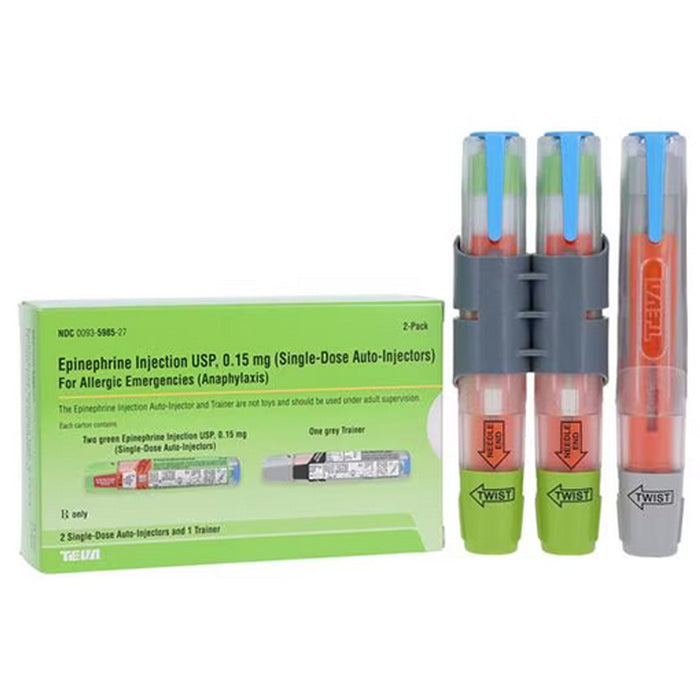
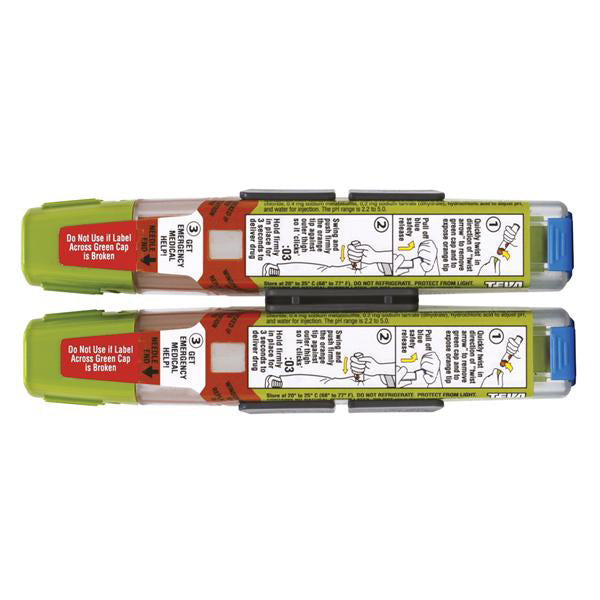
Epinephrine (Generic Epipen) Auto-Injector Pens 0.15 mg (2 Auto-Injectors + 1 Trainer)

Year End Sale 6%
Original price $ 599.95
Current price $ 565.95
SKU 00093-5985-27
*Mountainside Medical does not fill personal prescriptions Medical Professional License Required to Unlock Account

How to Order:

Send an email request to: sales@mountainside-medical.com

You will receive instructions on how to create an account along with Rx Ordering Details.

(Note: Acceptable licenses must have Prescriptive Authority in the license issuing state.)

Teva Pharmaceuticals Epinephrine Auto-Injector Pen for Injection 0.15 mg (2 Epinephrine Auto-Injectors + 1 Trainer) NDC: 00093-5985-27 Injection:

Epinephrine Injection (Auto-Injector) is a prescription medicine in a disposable, prefilled automatic injection device (auto-injector) used to treat life-threatening, allergic emergencies including anaphylaxis in people who are at risk for or have a history of serious allergic emergencies. Each device contains a single dose of epinephrine.

Epinephrine Injection (Auto-Injector) is for immediate self (or caregiver) administration and does not take the place of emergency medical care. You should get emergency help right away after using Epinephrine Injection (Auto-Injector).

Epinephrine Injection, 0.15 mg (Auto-Injector) is for patients who weigh about 33 to 66 pounds (15 to 30 kilograms). It is not known if Epinephrine Injection (Auto-Injector) is safe and effective in children who weigh less than 33 pounds (15 kilograms).

Epinephrine (Generic Epipen) Auto-Injector Pens 0.15 mg (2 Auto-Injectors + 1 Trainer)
$ 599.95 $ 565.95
🔒 Medical License Required
Frequently Asked Questions for Allergic Reaction Medications
  • What are the most common medications used for allergic reactions?

    Common medications include antihistamines (like diphenhydramine/Benadryl, loratadine/Claritin, cetirizine/Zyrtec), corticosteroids (like prednisone, methylprednisolone), and epinephrine (EpiPen) for severe reactions (anaphylaxis).

  • When should I use an EpiPen (epinephrine autoinjector)?

    Use an EpiPen immediately at the first sign of a severe allergic reaction (anaphylaxis), such as trouble breathing, swelling of the face or throat, severe hives, or dizziness/fainting.

  • Can I take antihistamines and corticosteroids together for an allergic reaction?

    Yes, in some situations, healthcare providers may recommend both to help control symptoms and prevent recurrence, but follow your doctor’s advice.

  • What is the difference between antihistamines and epinephrine for allergic reactions?

    Antihistamines treat mild to moderate symptoms (itching, rash, runny nose) while epinephrine is used for life-threatening reactions (anaphylaxis) and works rapidly to reverse airway and circulatory complications.

  • Are over-the-counter (OTC) medications effective for allergic reactions?

    For mild reactions like hives or sneezing, OTC antihistamines can be effective. For severe reactions, prescription medications and emergency care are needed.

  • What are the side effects of allergic reaction medications?

    Antihistamines: drowsiness, dry mouth, dizziness. Steroids: increased appetite, mood changes, insomnia, elevated blood sugar. Epinephrine: rapid heart rate, jitteriness, anxiety, headache.

  • Can I use asthma inhalers for an allergic reaction?

    Asthma inhalers may help if wheezing is present and you have asthma, but they are not a substitute for epinephrine in anaphylaxis.

  • How fast do allergic reaction medications work?

    Epinephrine: seconds to minutes. Antihistamines: 15–60 minutes. Corticosteroids: several hours (they help prevent symptoms from returning but do not work immediately).

  • What should I do if symptoms return after treating an allergic reaction?

    Seek medical help. Sometimes a biphasic reaction can occur, where symptoms return hours after initial improvement. You may need further observation or treatment.

  • Are allergic reaction medications safe during pregnancy or breastfeeding?

    Some are safe, but pregnant or nursing individuals should consult their healthcare provider before using any medication.

  • Can allergic reaction medications be used for children?

    Many are approved for children but doses vary by age and weight. Always consult a pediatrician before use.

  • What should I have in my allergy emergency kit?

    An emergency kit may include an epinephrine autoinjector (EpiPen), antihistamines, a list of allergies, and instructions for use.

Search Any Type of Product, Medication, or Alignment