Skip to content
Free US shipping over $100

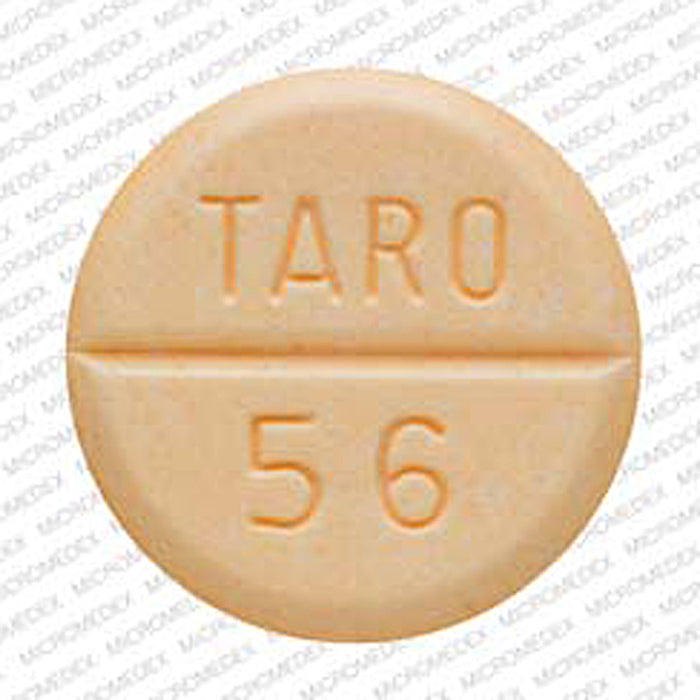
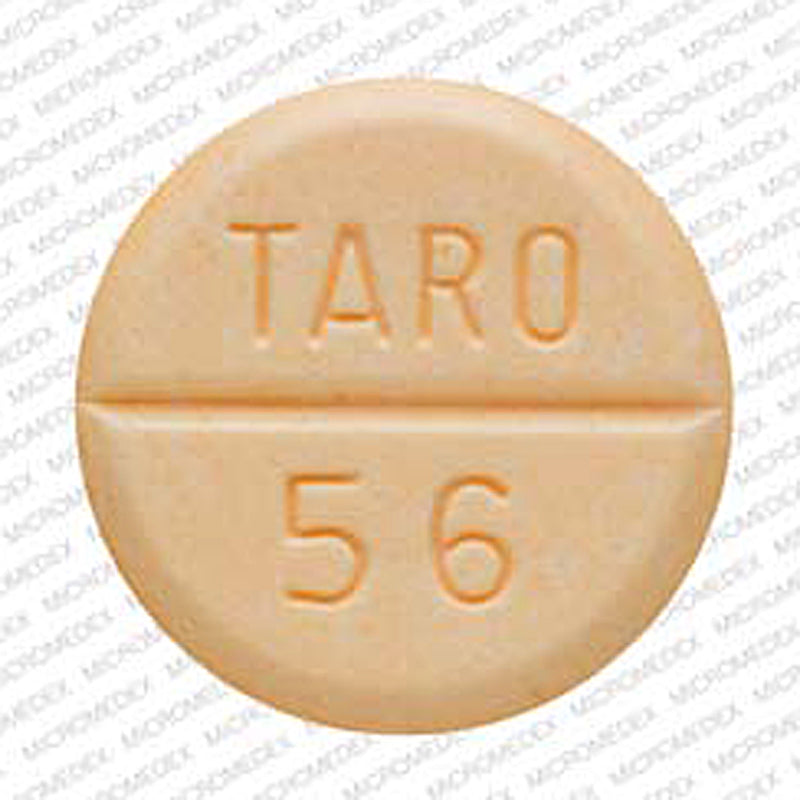
Amiodarone HCL Tablets 200 mg by Taro Pharmaceuticals 60 Count (Rx)

Sale 30%
Original price $ 19.95
Current price $ 13.95
SKU 51672-4025-04
*Mountainside Medical does not fill personal prescriptions Medical Professional License Required to Unlock Account

How to Order:

Send an email request to: sales@mountainside-medical.com

You will receive instructions on how to create an account along with Rx Ordering Details.

(Note: Acceptable licenses must have Prescriptive Authority in the license issuing state.)

Amiodarone HCL Tablets are a prescription medication used to treat and prevent certain types of serious, life-threatening ventricular arrhythmias (abnormal heart rhythms). These arrhythmias can be resistant to other treatments. This product by Taro Pharmaceuticals ensures high-quality and reliable treatment for cardiac patients in need of specialized care.

Brand: Taro Pharmaceuticals  
Active Ingredient: Amiodarone Hydrochloride  
Strength: 200 mg  
Dosage Form: Tablet  
Quantity: 60 tablets


Key Features:

  • Contains 200 mg amiodarone hydrochloride: Each tablet is formulated to deliver a precise dose designed to manage and treat arrhythmias.
  • High Efficacy: Amiodarone works by affecting the rhythm of heartbeats, helping to restore normal heart rhythm and maintain stable heart function.
  • Reliable Manufacturer Taro Pharmaceuticals is known for its commitment to producing high-quality generic medications meeting stringent quality assurance standards.
  • Convenient Packaging: The product comes in a 60-count bottle, providing a suitable supply lasting up to two months (depending on prescribed dosage).

Indications:

Amiodarone HCL is specifically indicated for:

  • Treatment of life-threatening recurrent ventricular fibrillation.
  • Treatment of recurrent hemodynamically unstable ventricular tachycardia.

Dosage and Administration:

The dosage of Amiodarone HCL must be individualized for each patient based on clinical response and tolerance. Initiation of treatment and dosage adjustments should always be conducted under medical supervision.

Precautions:

  • Regular follow-up and monitoring by a healthcare professional are essential due to potential side effects and the need for appropriate dose adjustments.
  • Not recommended for use in patients with known hypersensitivity to amiodarone or any of the excipients.

Side Effects:

  • Possible side effects may include, but are not limited to, lung problems, liver problems, worsened irregular heartbeat, thyroid problems, and eye problems.
  • Prompt medical attention is required if any severe side effects are observed.

Storage: Store at room temperature, away from light and moisture. Keep out of reach of children.

Note:Always use this medication under the guidance and prescription of a qualified healthcare provider. Do not use it for any condition other than the one prescribed. 

For any questions or concerns regarding Amiodarone HCL 200 mg Tablets, consult your doctor or pharmacist.

Amiodarone HCL Tablets 200 mg by Taro Pharmaceuticals 60 Count (Rx)
$ 19.95 $ 13.95
🔒 Medical License Required
FAQs for Amiodarone Injections
  • What Is Amiodarone Injection Used For?

    Acute management of life-threatening ventricular arrhythmias Treatment of ventricular tachycardia and ventricular fibrillation unresponsive to other therapies Stabilization of arrhythmias before oral maintenance with amiodarone tablets

  • How Do You Administer Amiodarone?

    Amiodarone injection is given intravenously (IV) by healthcare professionals, usually as a rapid bolus followed by a controlled infusion. Cardiac and vital sign monitoring in a hospital setting is required due to potential for serious side effects.

  • Can Amiodarone Be Taken with Amitriptyline?

    Caution is needed: Both drugs can affect heart rhythm (QT prolongation). Co-administration increases risks of arrhythmias—only combine with close medical supervision and regular ECG monitoring.

  • Can Amiodarone Cause Bruising?

    Yes, amiodarone can rarely cause bruising due to effects on blood clotting or platelet function, especially with other anticoagulants. Report unexplained bruising or bleeding to your provider.

  • What Is the Most Common Side Effect of Amiodarone?

    The most common acute side effects are hypotension (low blood pressure) and bradycardia (slow heart rate) with IV use. Chronic use may cause thyroid, lung, skin, or eye toxicity.

  • What Foods Should You Avoid While on Amiodarone?

    Avoid grapefruit and grapefruit juice: These increase amiodarone levels and risk for side effects or toxicity. Minimize high-iodine foods (amiodarone contains iodine and can affect thyroid). Limit alcohol and avoid excessive sun exposure (photosensitivity risk).

  • Does Amiodarone Affect Blood Pressure?

    Yes, amiodarone can lower blood pressure (hypotension), especially when given by IV. Continuous blood pressure monitoring is required in the hospital.

  • Can Amiodarone Affect Vision?

    Yes. Amiodarone may cause corneal microdeposits (halos, blurry vision), optic neuropathy (rare vision loss), or photosensitivity. Notify your doctor if new visual symptoms appear.

  • Does Amiodarone Make You Tired?

    Fatigue is a possible side effect. Other symptoms may include weakness, dizziness, or general malaise.

  • Which Statin Is Safe with Amiodarone?

    Pravastatin and fluvastatin are generally considered safer with amiodarone, due to less interaction risk. Avoid high-dose simvastatin or lovastatin, which raise myopathy risk.

  • Can Amiodarone Cause Blood Clots?

    Amiodarone is not typically associated with increased blood clot risk, but arrhythmias themselves (atrial fibrillation/flutter) may require anticoagulation.

  • Can Amiodarone Cause Hair Loss?

    Hair thinning or loss is a rare side effect of long-term amiodarone use.

  • Does Amiodarone Cause Sleep Problems?

    Sleep disturbances, including insomnia, vivid dreams, or fatigue can occur with amiodarone.

  • Who Cannot Take Amiodarone?

    Contraindications include: Severe sinus node dysfunction or AV block (unless pacemaker present) Extreme bradycardia or hypotension Severe thyroid, lung, or liver disease Known hypersensitivity to amiodarone or iodine

  • What Are the Worst Side Effects of Amiodarone?

    Pulmonary fibrosis or lung toxicity (life-threatening) Severe liver injury/failure Vision loss (optic neuropathy) Thyroid dysfunction (hypo- or hyperthyroidism) Serious cardiac arrhythmias (QT prolongation, torsades de pointes) Seek immediate care for shortness of breath, chest pain, sudden vision changes, or yellowing of skin/eyes.

  • What Drugs Cannot Be Taken with Amiodarone?

    Avoid or use with caution: Other antiarrhythmics, certain beta-blockers, calcium channel blockers (excess bradycardia risk) Warfarin and digoxin (requires dosing adjustments) Simvastatin, lovastatin Drugs that prolong the QT interval: fluoroquinolones, macrolides, certain antipsychotics or antidepressants Always provide your doctor with a complete medication list.

  • Key Features & Benefits

    Hospital-standard for emergency arrhythmia stabilization IV administration by trained professionals with cardiac and BP monitoring Proven efficacy for life-threatening ventricular tachyarrhythmias Transition to oral amiodarone for ongoing rhythm control

Search Any Type of Product, Medication, or Alignment