Skip to content
Year-End Sale is Live Now - Up to 50% off
New users? Get 5% off on your first purchase.
Free US shipping over $100
Year-End Sale is Live Now - Up to 50% off
New users? Get 5% off on your first purchase.
Free US shipping over $100

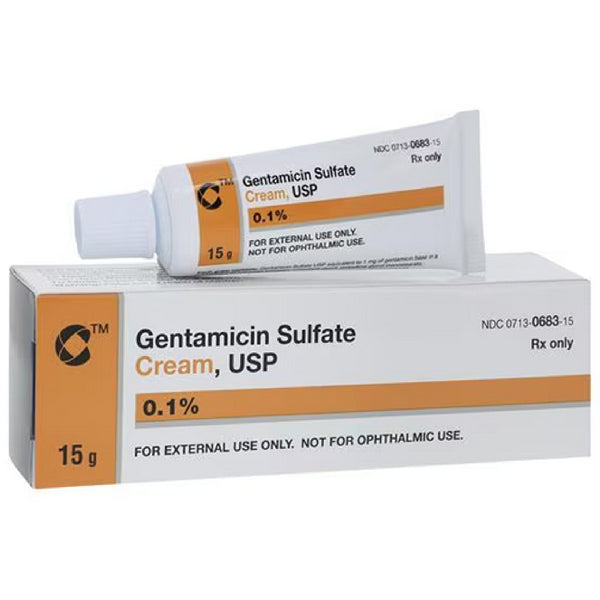
Gentamicin Sulfate Cream 0.1% 15 Grams by Cosette Pharma (RX)

Year End Sale 50%
Original price $ 39.95
Current price $ 19.95
SKU 00713-0683-15
*Mountainside Medical does not fill personal prescriptions Medical Professional License Required to Unlock Account

How to Order:

Send an email request to: sales@mountainside-medical.com

You will receive instructions on how to create an account along with Rx Ordering Details.

(Note: Acceptable licenses must have Prescriptive Authority in the license issuing state.)
Gentamicin Sulfate Cream 0.1% 15 Grams is an antibiotic medication used to treat bacterial skin infections. Medical professionals may prescribe it to treat infections, such as impetigo, caused by susceptible bacteria. Gentamicin Sulfate Cream 0.1% 15 Grams can be used to treat minor cuts, abrasions, and burns. It is also helpful for relieving itching, redness, and swelling associated with various skin infections. Negating the growth of bacteria, Gentamicin Sulfate Cream 0.1% 15 Grams can help reduce the risk of spreading the infection and lead to a quicker resolution. When applying the cream, it is important to follow all instructions on the label to fully benefit from the effects of this medication. Due to a high rate of success, Gentamicin Sulfate Cream 0.1% has become one of the most popular treatments for bacterial skin infections.

Gentamicin Sulfate Cream 0.1% is used to treat minor skin infections (such as impetigo, folliculitis) or minor infections related to some skin conditions (such as eczema, psoriasis, minor burns/cuts/wounds). Gentamicin works by stopping the growth of certain bacteria.

Gentamicin sulfate cream is recommended for wet, oozing primary infections, and greasy, secondary infections, such as postular acne or infected seborrheic dermatitis. Gentamicin Sulfate Ointment USP, 0.1% helps retain moisture and has been useful in infection on dry eczematous or psoriatic skin.

Gentamicin sulfate is a wide spectrum antibiotic that provides highly effective topical treatment in primary and secondary bacterial infections of the skin. ... In secondary infections, Gentamicin Sulfate Ointment aids in the treatment of the underlying dermatoses by controlling the infection.

Brand: G & W Laboratories
Size: 15 grams
Strength: 0.1%
NDC: 00713-0683-15
UPC: 007130683158


Buy Gentamicin Sulfate Cream 0.1% by G & W used to treat minor skin infections

Gentamicin Sulfate Cream 0.1% 15 Grams by Cosette Pharma (RX)
$ 39.95 $ 19.95
🔒 Medical License Required
FAQs for Antibiotic Ointments
  • What Is the Best Antibiotic Ointment?

    NEOSPORIN® (triple antibiotic ointment) is the best-known formula, combining neomycin, polymyxin B, and bacitracin for broad-spectrum infection prevention. Polysporin® (bacitracin + polymyxin B) is another leading antibiotic ointment, especially for people allergic to neomycin. Mupirocin (Bactroban®) is a prescription-only ointment, highly effective for staph and MRSA skin infections.

  • Can I Put Antibiotic Ointment in My Nose?

    Yes, but only as directed by your doctor! Mupirocin ointment is often prescribed intranasally to eliminate nasal MRSA colonization. Avoid putting over-the-counter ointments deep into your nose unless advised medically.

  • Is NEOSPORIN Ointment Safe in Pregnancy?

    Neosporin is generally considered safe in pregnancy when used topically and sparingly. Always consult your OB/GYN or healthcare provider before use, especially on large wounds or for extended periods.

  • What Is the Best Antibiotic Ointment for a Stye?

    Prescription bacitracin or erythromycin ointment is considered most effective. Never use ointments containing neomycin or bacitracin inside the eye without medical advice.

  • Do Antibiotic Ointments Actually Work?

    Yes, topical antibiotic ointments reduce infection risk, minimize bacterial growth, and support faster, cleaner wound healing on minor cuts, scrapes, and abrasions.

  • What Ointment Is Good for Bacterial Infection in the Nose?

    Mupirocin (Bactroban) ointment is the gold standard for nasal bacterial infections and MRSA decolonization.

  • Is Mupirocin Ointment Safe for Children?

    Yes, Mupirocin is approved and widely used for children. Always use as prescribed by your pediatrician.

  • What to Use Instead of Neosporin?

    Polysporin (for those allergic to neomycin) Bacitracin-only ointment Vaseline (petroleum jelly) for wound moisture and basic healing (no antibiotics, but promotes moist wound healing)

  • Where Not to Put Neosporin?

    Inside the eyes, large open wounds, or deep puncture wounds Never use inside the ear without medical guidance Not for use on animal bites or serious burns without a doctor’s advice

  • Is Polysporin an Antibiotic Ointment?

    Yes, Polysporin is a dual antibiotic ointment (bacitracin and polymyxin B), effective against a wide range of skin bacteria.

  • Can I Use Regular Antibiotic Ointment on My Eye?

    No, only use antibiotic ointments specifically labeled for ophthalmic (eye) use, such as erythromycin or bacitracin ophthalmic ointment. OTC or regular Neosporin/Polysporin is not safe for eyes.

  • How to Fight a Skin Infection Without Antibiotics?

    Keep the wound clean and covered Use warm compresses for boils Apply Vaseline or a hydrocolloid bandage for moist healing Monitor closely and seek medical care if worsening

  • Is There a 3 Day Antibiotic for Skin Infection?

    Not for topical use alone. Oral antibiotics for bacterial skin infection may be prescribed for 3–5 days, but ointments are typically used until the wound heals or as directed.

  • Is There an Alternative to Neosporin?

    Yes: Polysporin, Bacitracin, natural remedies like medical-grade honey, or basic Vaseline for non-infected wounds.

  • Why Do Doctors Not Use Neosporin Anymore?

    Growing rates of neomycin allergy/sensitization For many wounds, plain petroleum jelly/Vaseline is just as effective for healing, reducing antibiotic resistance risk.

  • What Is Polysporin?

    Polysporin is a dual-antibiotic ointment (bacitracin + polymyxin B) for first-aid use on minor wounds, with a lower allergy risk than triple antibiotics.

  • What Speeds Up Wound Healing?

    Daily cleaning, antibiotic ointment or Vaseline, keeping wounds moist, covering with a sterile bandage, and monitoring for infection all significantly speed up healing.

  • Which Ointment is Best for Wound Healing?

    NEOSPORIN, Polysporin, or plain petroleum jelly (Vaseline)—all support moist wound healing. Use antibiotic ointment if infection risk is high.

  • Which is Better, Polysporin or Neosporin?

    Polysporin: Fewer allergy risks, just as effective for minor wounds. Neosporin: Broader spectrum, but higher allergy risk (neomycin). Your doctor can advise the best choice for you!

  • What is a Triple Antibiotic Ointment?

    Triple antibiotic ointment (like Neosporin) contains: Neomycin, Polymyxin B, Bacitracin. It provides broad protection against common skin bacteria.

  • Is Vaseline as Good as Neosporin?

    For most minor wounds, Vaseline (petroleum jelly) is equally effective at healing and reducing scarring, but does not kill bacteria. Choose Neosporin if the wound is at risk for infection.

  • Why Choose Our Antibiotic Ointments?

    Broad-spectrum, fast-acting bacterial protection Soothes, heals, and relieves pain on contact Ideal for minor cuts, scrapes, burns, styes, and post-surgical wounds Safe for all ages, with pediatric/child-friendly options Pharmacist-approved and recommended by healthcare professionals Available in NEOSPORIN, Polysporin, bacitracin, mupirocin, and more

Search Any Type of Product, Medication, or Alignment