
Uses for Antihistamines
- Allergic rhinitis (hay fever): Sneezing, runny nose, itchy/watery eyes
- Hives (urticaria) and other itchy skin conditions
- Allergic conjunctivitis
- Food and drug allergies (mild)
- Relief of itching from insect bites
- Mild allergic reactions (not anaphylaxis)
- Motion sickness, nausea, and sometimes insomnia (certain antihistamines)
Types of Antihistamines
1. First-Generation Antihistamines
- More likely to cause drowsiness and sedation; may also be used as sleep aids.
Examples:
Diphenhydramine (Benadryl)
Chlorpheniramine
Doxylamine
Hydroxyzine
2. Second-Generation Antihistamines
- Less sedating; preferred for routine treatment of allergies due to fewer side effects.
Examples:
Cetirizine (Zyrtec)
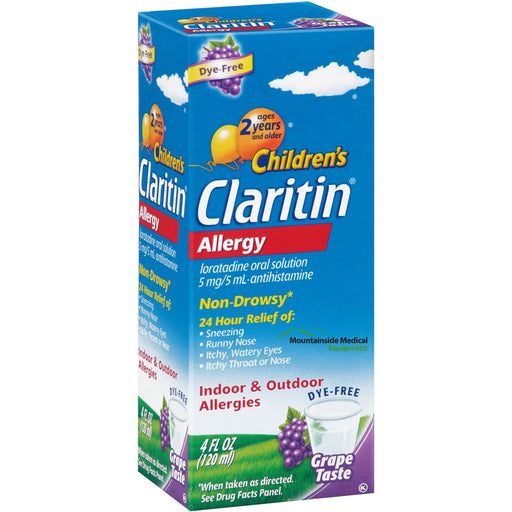
Loratadine (Claritin)
Fexofenadine (Allegra)
Desloratadine (Clarinex)
Levocetirizine (Xyzal)
3. Topical Antihistamines
- For localized relief, such as eye drops (e.g., ketotifen) or skin creams.
How Antihistamines Work
Block histamine receptors (H1 receptors):This reduces or prevents allergy symptoms caused by the body’s response to allergens like pollen, pet dander, dust mites, foods, or medications.
In summary:
Antihistamine medicines are commonly used, effective drugs that relieve mild to moderate allergy symptoms by blocking histamine. They are available in sedating (first-generation) and non-sedating (second-generation) forms, and are a mainstay for allergy management, as well as itching and some forms of rash. Always follow dosing instructions and consult a healthcare professional if you have questions.