Skip to content
Year-End Sale is Live Now - Up to 50% off
New users? Get 5% off on your first purchase.
Free US shipping over $100
Year-End Sale is Live Now - Up to 50% off
New users? Get 5% off on your first purchase.
Free US shipping over $100

Coricidin HBP Cold and Cough Medicine, Tablets 16 Count

$ 10.45
SKU 41100-0811-38

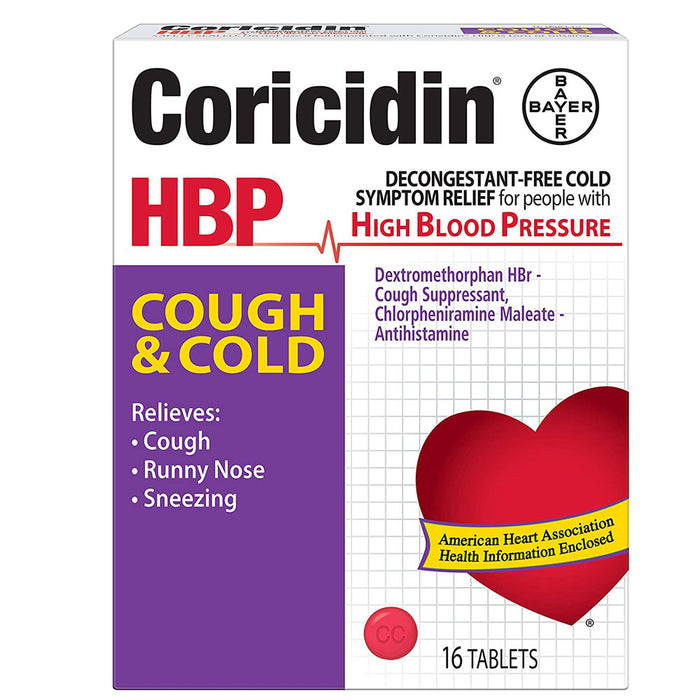
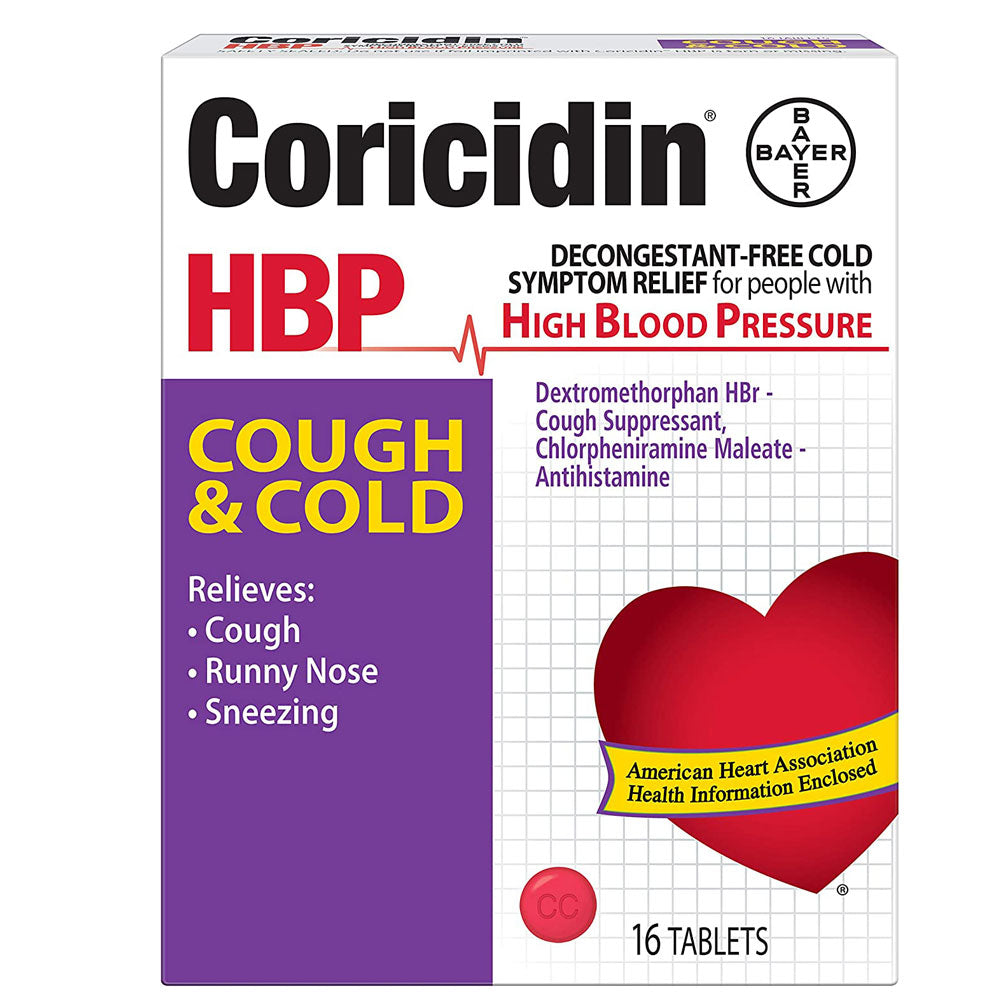
Coricidin HBP Cold and Cough is a unique cold medicine, specially made for those with high blood pressure and heart issues. This cold and flu product is designed to combat symptoms in people with high blood pressure. This cough suppressing medication features powerful relief, a heart-friendly formula, and attacks multiple cold symptoms.

Coricidin HBP Cold and Cough Features:

  • Effective
  • Heart friendly
  • Blood Pressure Friendly
  • Multi-symptom relief
  • Powerful relief
  • Antihistamine
  • Cough suppressant
  • 16 tablets per box

Coricidin HBP Cold and Cough Applications:

  • Cough
  • Runny nose
  • Sneezing
  • Aches
  • Fever
  • Chills
  • Sore Throat

Brand:  MSD Consumer Care 

Coricidin HBP Cold and Cough offers a special formula, designed for patients with high blood pressure, providing fast relief from common cold, and flu like symptoms. This cold medication contains an antihistamine and cough suppressant, making patients comfortable as they fight off colds.

Get some relief from coughing, sneezing, runny noses, and other symptoms from the common cold. Purchase Coricidin HBP Cold and Cough for a great price by placing an order online, through our website. Orders can also be placed by calling 1-888-687-4334 and speaking with one of our friendly Medical Supply Specialists.

Coricidin HBP Cold and Cough Medicine, Tablets 16 Count
$ 10.45
Antihistamine Medicines Frequently Asked Questions (FAQs)
  • What are antihistamines used for?

    Antihistamines are primarily used to treat allergies, such as hay fever, hives, itching, and symptoms of allergic reactions (runny nose, sneezing, watery eyes). Some are also used for motion sickness, insomnia, or to relieve cold symptoms.

  • What are common examples of antihistamine medicines?

    Common antihistamines include: First-generation (sedating): Diphenhydramine (Benadryl), Chlorpheniramine, Clemastine Second-generation (non-sedating): Loratadine (Claritin), Cetirizine (Zyrtec), Fexofenadine (Allegra)

  • What is the difference between first-generation and second-generation antihistamines?

    First-generation antihistamines can cause more drowsiness and are shorter-acting. Second-generation antihistamines are less likely to cause drowsiness and usually last longer.

  • Are antihistamines safe during pregnancy or breastfeeding?

    Some antihistamines are considered safe, but it’s important to consult your healthcare provider before taking any, especially during pregnancy or while breastfeeding.

  • Can children take antihistamines?

    Many antihistamines are approved for use in children, but dosing depends on age and weight. Always consult a pediatrician before using antihistamines in young children.

  • What are the side effects of antihistamines?

    Common side effects include drowsiness (especially with first-generation types), dry mouth, dizziness, blurred vision, constipation, and urinary retention.

  • Can I take antihistamines and drink alcohol?

    It’s best to avoid alcohol with antihistamines, especially first-generation types like diphenhydramine, as both can increase drowsiness and impair coordination.

  • Can I take more than one type of antihistamine at the same time?

    Generally, you should not combine different oral antihistamines unless instructed by your healthcare provider, as this increases the risk of side effects without improving efficacy.

  • Do antihistamines work immediately?

    Most oral antihistamines start to work within 30–60 minutes, while nasal or eye antihistamines may work faster.

  • Can I use antihistamines long-term?

    Second-generation antihistamines are often safe for long-term use under medical supervision, but you should see a doctor if you need them daily for extended periods.

  • Do antihistamines interact with other medications?

    Yes, especially first-generation antihistamines, which may interact with sedatives, sleeping pills, muscle relaxants, and certain antidepressants. Check with your pharmacist or doctor if unsure.

  • What should I do if I miss a dose of my antihistamine?

    Take it as soon as you remember, but if it's almost time for your next dose, skip the missed dose. Don’t double up unless instructed by your doctor.

  • Can antihistamines be used for itching not caused by allergies?

    Yes, antihistamines can sometimes relieve itching due to other causes, like insect bites or skin irritations, but always check with your provider for chronic or severe itching.

  • Are there non-drowsy antihistamines?

    Yes, second-generation antihistamines (e.g., loratadine, cetirizine, fexofenadine) are less likely to cause drowsiness than first-generation drugs.

Search Any Type of Product, Medication, or Alignment