Skip to content
Year-End Sale is Live Now - Up to 50% off
New users? Get 5% off on your first purchase.
Free US shipping over $100
Year-End Sale is Live Now - Up to 50% off
New users? Get 5% off on your first purchase.
Free US shipping over $100

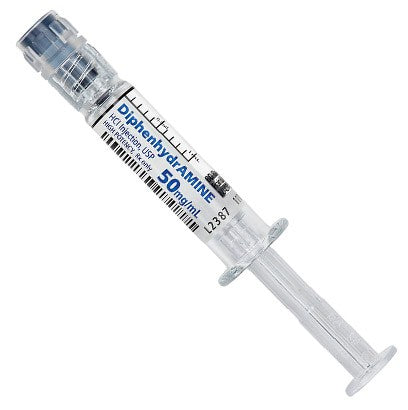
Diphenhydramine Hydrochloride Prefilled Syringes for Injection 50 mg/mL, 24 Pack (Rx)

Year End Sale 21%
Original price $ 149.95
Current price $ 119.00
SKU 76045-0102-10
*Mountainside Medical does not fill personal prescriptions Medical Professional License Required to Unlock Account

How to Order:

Send an email request to: sales@mountainside-medical.com

You will receive instructions on how to create an account along with Rx Ordering Details.

(Note: Acceptable licenses must have Prescriptive Authority in the license issuing state.)

Diphenhydramine Hydrochloride for Injection is a medication that is used to treat allergic reactions. It works by blocking the effects of histamine, which is a chemical that is released during an allergic reaction. This helps to relieve the symptoms of an allergic reaction.

Fresenius Kabi Diphenhydramine Hydrochloride Prefilled Syringes for Injection 50 mg is an antihistamine used to treat life-threatening allergic reactions (anaphylaxis) along with epinephrine and other treatments. It is also used to relieve symptoms of household allergies, hay fever and the common cold when medication cannot be given by mouth.

Diphenhydramine Hydrochloride for Injection, USP 50 mg/mL Prefilled Syringe - 24 Pack


Brand: Fresenius Kabi

NDC: 76045-0102-10

Size: 1 mL x 24 Prefilled syringes

Diphenhydramine Hydrochloride Prefilled Syringes for Injection 50 mg/mL, 24 Pack (Rx)
$ 149.95 $ 119.00
🔒 Medical License Required
Antihistamine Medicines Frequently Asked Questions (FAQs)
  • What are antihistamines used for?

    Antihistamines are primarily used to treat allergies, such as hay fever, hives, itching, and symptoms of allergic reactions (runny nose, sneezing, watery eyes). Some are also used for motion sickness, insomnia, or to relieve cold symptoms.

  • What are common examples of antihistamine medicines?

    Common antihistamines include: First-generation (sedating): Diphenhydramine (Benadryl), Chlorpheniramine, Clemastine Second-generation (non-sedating): Loratadine (Claritin), Cetirizine (Zyrtec), Fexofenadine (Allegra)

  • What is the difference between first-generation and second-generation antihistamines?

    First-generation antihistamines can cause more drowsiness and are shorter-acting. Second-generation antihistamines are less likely to cause drowsiness and usually last longer.

  • Are antihistamines safe during pregnancy or breastfeeding?

    Some antihistamines are considered safe, but it’s important to consult your healthcare provider before taking any, especially during pregnancy or while breastfeeding.

  • Can children take antihistamines?

    Many antihistamines are approved for use in children, but dosing depends on age and weight. Always consult a pediatrician before using antihistamines in young children.

  • What are the side effects of antihistamines?

    Common side effects include drowsiness (especially with first-generation types), dry mouth, dizziness, blurred vision, constipation, and urinary retention.

  • Can I take antihistamines and drink alcohol?

    It’s best to avoid alcohol with antihistamines, especially first-generation types like diphenhydramine, as both can increase drowsiness and impair coordination.

  • Can I take more than one type of antihistamine at the same time?

    Generally, you should not combine different oral antihistamines unless instructed by your healthcare provider, as this increases the risk of side effects without improving efficacy.

  • Do antihistamines work immediately?

    Most oral antihistamines start to work within 30–60 minutes, while nasal or eye antihistamines may work faster.

  • Can I use antihistamines long-term?

    Second-generation antihistamines are often safe for long-term use under medical supervision, but you should see a doctor if you need them daily for extended periods.

  • Do antihistamines interact with other medications?

    Yes, especially first-generation antihistamines, which may interact with sedatives, sleeping pills, muscle relaxants, and certain antidepressants. Check with your pharmacist or doctor if unsure.

  • What should I do if I miss a dose of my antihistamine?

    Take it as soon as you remember, but if it's almost time for your next dose, skip the missed dose. Don’t double up unless instructed by your doctor.

  • Can antihistamines be used for itching not caused by allergies?

    Yes, antihistamines can sometimes relieve itching due to other causes, like insect bites or skin irritations, but always check with your provider for chronic or severe itching.

  • Are there non-drowsy antihistamines?

    Yes, second-generation antihistamines (e.g., loratadine, cetirizine, fexofenadine) are less likely to cause drowsiness than first-generation drugs.

Search Any Type of Product, Medication, or Alignment