Skip to content
New users? Get 5% off on your first purchase.
Free US shipping over $100
New users? Get 5% off on your first purchase.
Free US shipping over $100

Added to your cart:

Cart subtotal

Blood Collection Tubes to Collecting Whole Blood

Shop Blood Collection Tubes for safe, sterile, and efficient blood sample collection in hospitals, clinics, and laboratories. Designed for accurate diagnostics, these tubes support serum, plasma, and whole blood testing while ensuring contamination prevention and specimen integrity. Ideal for phlebotomy and laboratory analysis, our blood collection tubes guarantee fast labeling, optimal sample preservation, and infection control. Choose trusted tubes for dependable results and superior patient care every time.

Shop Blood Collection Tubes for safe, sterile, and efficient blood sample collection in hospitals, clinics, and laboratories. Designed for accurate diagnostics, these tubes support serum, plasma, and whole blood testing while ensuring contamination prevention and specimen integrity. Ideal for phlebotomy and laboratory analysis, our blood collection tubes guarantee fast labeling, optimal sample preservation, and infection control. Choose trusted tubes for dependable results and superior patient care every time.

FaqS FOR Blood Collection Tubes

  • What Are Blood Collection Tubes?

    Blood collection tubes are sterile, color-coded tubes designed for safe, accurate blood draws and laboratory testing. Each tube contains specific additives (or none) optimized for particular blood tests, minimizing errors, maintaining specimen integrity, and supporting fast, dependable diagnosis.

  • What Are the 7 Tubes of Blood Drawn? (Order of Draw)

    Blood Culture (Yellow/SPS) Light Blue Top (Citrate) Red Top (No additive/Clot activator) Gold/Tiger Top (SST – Serum Separator Tube) Green Top (Heparin) Lavender/Purple Top (EDTA) Gray Top (Fluoride/Glucose)

  • What Blood Tests Go in What Color Tube? | Blood Tube Color Chart

    Yellow (SPS): Blood cultures Light Blue: PT, PTT, coagulation studies Red: Serum, chemistry, serology, blood bank Gold/Tiger Top: Chemistries, immunology, viral testing Green: Plasma chemistry (electrolytes, troponin, ammonia) Lavender/Purple: CBC, Hgb A1c, blood typing, ESR, hematology Gray: Glucose, lactate

  • What Are the Different Types of Blood Collection Tubes?

    EDTA tubes Citrate tubes Heparin tubes Serum separator tubes (SST) No additive tubes (Plain Red) Sodium fluoride/potassium oxalate tubes (Gray) Blood culture bottles Clot activator tubes (Orange)

  • What Color Tube is Used for Blood Bank Collection?

    Red top tube (plain, no additive) or Pink top tube (EDTA) are often used for blood bank testing and crossmatching.

  • What is an EDTA Tube Used For?

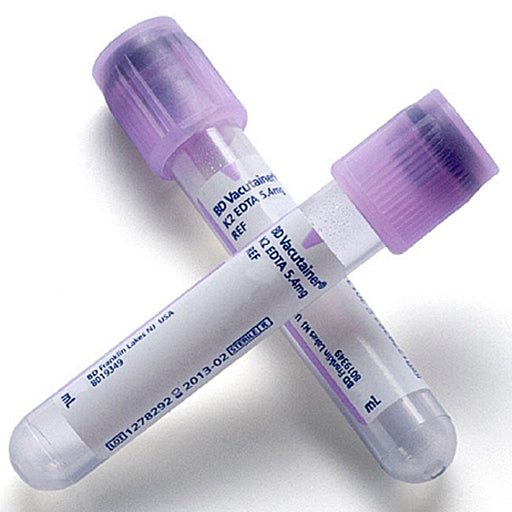
    EDTA (Lavender/Purple top tube): Used for CBC (Complete Blood Count), Hgb A1c, ESR, blood typing, hemoglobin, and hematology studies because EDTA prevents clotting.

  • What Are Common Phlebotomy Errors?

    Incorrect order of draw Hemolysis from rough handling Under- or over-filling tubes Using expired tubes Improper labeling Insufficient mixing or invert count Wrong tube type for test

  • Purpose of Different Tube Tops

    Tube tops are color-coded to identify the additive inside, preventing errors and ensuring sample integrity for specific test requirements.

  • Blood Tubes Used for What Tests? (Quick Test List)

    CBC, ESR, Hgb A1c: Lavender/Purple top (EDTA) CMP, BMP, TSH, T4, Chemistry: Gold/Tiger or Green top Coagulation (PT, PTT): Light Blue top Blood Bank (Type & Screen): Red or Pink top Glucose, Lactate: Gray top

  • What Are the 14 Blood Tests? (Common in a Comprehensive Metabolic Panel – CMP)

    Glucose Calcium Sodium Potassium Chloride CO2 (carbon dioxide) BUN (blood urea nitrogen) Creatinine Albumin Total protein ALP (alkaline phosphatase) ALT (alanine aminotransferase) AST (aspartate aminotransferase) Bilirubin (total)

  • What Color Tube is CBC and BMP?

    CBC: Lavender/Purple top (EDTA) BMP: Gold/Tiger top (SST) or Green top (Heparin)

  • What Blood Tube for CMP?

    Gold top (SST/serum separator tube) is standard for CMP; green top can also be used for plasma samples.

  • What Color Tube for Hgb A1c?

    Lavender/Purple top (EDTA)

  • What Color Tube for TSH and T4 (Thyroid Tests)?

    Gold/Tiger top (SST) or Red top for thyroid function testing.

  • What 14 Tests Are in a CMP?

    See "What are the 14 blood tests?" above; CMP includes electrolytes, kidney and liver markers, proteins, and glucose.

  • What Color Tube for PT?

    Light Blue top (Sodium citrate) is used for PT (Prothrombin Time) and other coagulation tests.

  • Why Choose Our Blood Collection Tubes?

    FDA & CE approved, sterile, single-use tubes Color-coded tops for zero-error draws Reliable preservation and separation of blood components Leak-proof, shatter-resistant construction Compatible with all standard blood draw systems Used by major hospitals, laboratories, and clinics worldwide

Collection Overview
Product Categories
Comparison Chart
Use Cases & Applications
Selection Guide
Ordering & Bulk Options
Disclaimer
FAQ
  • Scope: Wholesale blood collection tubes and blood draw vials for hospitals, clinics, laboratories, EMS, medspas, dental practices, and institutional buyers across the US.
  • Primary use: Venipuncture and capillary specimen collection for serum, plasma, and whole blood laboratory testing — including routine panels, coagulation studies, blood bank procedures, and PRP preparation.
  • Tube formats covered: Standard adult vacuum tubes, microtainer tubes for low-volume and paediatric draws, and specialised plasma preparation tubes and blood bank hold tubes.
  • Key brands stocked: BD blood collection tubes (Vacutainer, Microtainer) and additional professional-grade options to support institutional formulary requirements.
  • Colour-coded system: All tubes follow the CLSI-aligned colour-coded stopper system — enabling fast, accurate tube identification at the point of collection.
  • Wholesale pricing: Competitive bulk pricing for licensed healthcare professionals; free US shipping on orders over $100; 5% off first purchase for new customers.
  • Serum Collection Tubes (SST): Gold and red-top tubes with clot activator and gel separator — primary tubes for CMP, thyroid panels, lipid panels, and most chemistry assays.
  • Anticoagulant Tubes — EDTA: Lavender and pink-top tubes for CBC, blood bank (type & screen), HbA1c, and haematology panels; pink tube blood draw variants designated for transfusion medicine.
  • Anticoagulant Tubes — Heparin: Lithium heparin tubes (green top) for plasma chemistry panels, including BMP and liver function tests; sodium heparin variants also available.
  • Coagulation Tubes: Blue-top sodium citrate tubes for PT/INR, aPTT, fibrinogen, and D-dimer — must be filled to the correct volume to maintain the 9:1 blood-to-anticoagulant ratio.
  • Specialised Tubes: CPT tubes for mononuclear cell isolation; plasma preparation tubes for PRP; blood bank hold tubes for cross-matching; grey-top fluoride tubes for glucose and lactate.
  • Paediatric & Capillary Tubes: Pediatric tubes for blood collection, including BD Microtainer formats for low-volume venous and capillary draws in neonatal and paediatric patients.
  • Lab Tubes — Broader Range: General laboratory tubes and lab test tubes supporting chemistry, microbiology, and molecular diagnostics workflows.
Tube Type Stopper Colour Additive Primary Tests Key Consideration
SST (Serum Separator) Gold / Red Clot activator + gel CMP, lipids, thyroid, hormones Allow 30 min clot time before centrifuge
EDTA Tube Lavender / Purple K2 or K3 EDTA CBC, HbA1c, haematology Mix 8–10 times; do not overfill
Coagulation Tube Blue 3.2% sodium citrate PT/INR, aPTT, fibrinogen Fill to line — underfill invalidates the result
Lithium Heparin Tube Green Lithium heparin BMP, LFTs, plasma chemistry Mix immediately; heparin inhibits PCR
Blood Bank Hold Tube (Pink) Pink K2 EDTA Type & screen, cross-match Two-ID labelling at bedside — AABB standard
Plasma Preparation Tube (PPT) Light Blue / Pearl Citrate + gel separator PRP, plasma isolation Preferred for aesthetic PRP procedures
CPT Tube Light blue (BD) Sodium citrate + Ficoll Mononuclear cell isolation Specialised centrifugation protocol required
Fluoride / Oxalate Tube Grey Sodium fluoride + potassium oxalate Glucose, lactate Glycolysis inhibitor — not for haematology
  • Hospital & clinic phlebotomy: Routine multi-tube draws for chemistry, haematology, coagulation, and blood bank panels using colour-coded collection tubes for phlebotomy following CLSI order of draw.
  • Laboratory analysis: Lab tubes and laboratory tubes supporting serum, plasma, and whole blood specimen processing for diagnostic assays across chemistry, immunology, and molecular panels.
  • Medspa & aesthetic medicine: Best blood collection tubes for PRP — plasma preparation and citrate-based tubes used by aesthetic professionals for platelet-rich plasma isolation in regenerative treatments.
  • Blood bank & transfusion medicine: Blood bank holds tubes (pink-top EDTA) for pre-transfusion testing, type and screen, and cross-matching in accordance with AABB standards.
  • EMS & emergency response: Field-use blood draw vials and anticoagulant tubes for point-of-care specimen collection by emergency medical professionals before hospital transfer.
  • Paediatric & neonatal care: Pediatric tubes for blood collection and microtainer tubes for low-volume capillary and venous draws in neonatal units and paediatric clinics.

This product is intended for use by qualified healthcare professionals or under the guidance of a licensed medical provider. It is not a substitute for professional medical advice, diagnosis, or treatment.

  • Match tube to test first: Confirm the required specimen type (serum, plasma, or whole blood) for each ordered panel before selecting a tube — refer to the tube-to-test table in the product guide above.
  • For CMP and routine chemistry: Select a gold-top SST (CMP tube) with clot activator and gel separator; allow adequate clotting time before centrifugation.
  • For coagulation studies (PT/INR): Use a coagulation tube (blue top, 3.2% sodium citrate) — always fill to the indicated line to maintain the correct blood-to-anticoagulant ratio.
  • For blood bank procedures: Use a blood bank hold tube (pink top) — apply two independent patient identifiers at the bedside immediately after collection per AABB requirements.
  • For PRP procedures: Select a plasma preparation tube rather than a standard EDTA or heparin tube — the gel separator and citrate anticoagulant are specifically designed for platelet-rich plasma isolation.
  • For paediatric or low-volume draws: Choose microtainer tubes or designated pediatric tubes for blood collection to minimise haemolysis risk and accommodate smaller specimen volumes.
  • For BD brand preference: BD blood collection tubes (Vacutainer and Microtainer lines) are available across all major tube types — specify BD when placing your order or contact our team for brand-matched bulk quotes.
  • Wholesale pricing: Blood collection tubes are available at competitive wholesale and bulk pricing for licensed healthcare providers, clinics, hospitals, laboratories, EMS agencies, and institutional buyers.
  • Blood collection tubes price: Pricing varies by tube type, brand, and order volume — contact sales@mountainside-medical.com or call +1 (888) 687-4334 for volume quotes and bulk order pricing.
  • Free US shipping: All orders over $100 qualify for free shipping across the contiguous United States.
  • New customer discount: First-time buyers receive 5% off their initial order — applicable to all blood collection tube orders.
  • Licensing requirements: Many tube types and associated products are intended for purchase by licensed healthcare professionals. Buyers may be required to provide proof of medical licensure or institutional credentials at checkout.
  • Bulk & institutional orders: High-volume procurement for hospitals, laboratory networks, or EMS departments — contact the sales team directly to discuss custom pricing, standing orders, and delivery schedules.
  • Contact: Email sales@mountainside-medical.com or call +1 (888) 687-4334 for order support, product availability, or bulk pricing enquiries.

The content on this page — including tube colour charts, order of draw guidance, additive-to-test matching information, and clinical application references — is provided for general professional reference purposes only. It is intended for use by qualified healthcare professionals, licensed phlebotomists, and certified laboratory personnel.

This content does not constitute medical advice, clinical protocol, or institutional laboratory policy. All tube selection decisions should be validated against your facility's current laboratory procedures, manufacturer product inserts, and applicable CLSI, AABB, or institutional guidelines in effect at the time of use.

Mountainside Medical Equipment is a wholesale supplier of medical supplies and equipment. Specific regulatory clearances, manufacturer certifications, and product-level compliance data: not specified in the provided data. Confirm product-specific regulatory standing directly with the relevant manufacturer prior to clinical use.

Products sold by Mountainside Medical Equipment are intended for use by or under the direction of a licensed medical professional. They are not intended for use by the general public and are not a substitute for professional medical advice, diagnosis, or treatment.

  • What is the correct order of draw for blood collection tubes?

    The CLSI-recommended order of draw (H3-A6) is: (1) blood culture bottles, (2) sodium citrate coagulation tubes (blue top), (3) serum tubes with or without clot activator and gel (red or gold top), (4) heparin tubes (green top), (5) EDTA tubes (lavender or pink top), (6) fluoride/oxalate tubes (grey top). Following this sequence prevents additive carryover between tubes, which can cause clinically significant interference with laboratory results.

  • What tube is used for a CMP (Comprehensive Metabolic Panel)?

    The CMP tube is a gold-top or red-top SST (serum separator tube) containing a clot activator and gel separator. Blood is allowed to clot for approximately 30 minutes before centrifugation, which separates serum from cells for chemistry analysis. The CMP tube is one of the most commonly drawn tubes in routine outpatient and inpatient laboratory panels.

  • What is a blood bank hold tube and when is it used?

    A blood bank hold tube is a pink-top EDTA tube designated for pre-transfusion testing procedures — including type and screen, ABO/Rh typing, antibody identification, and cross-matching. Per AABB standards, these tubes must be labelled with two independent patient identifiers at the bedside immediately after collection to prevent transfusion-related identification errors. A standard lavender-top EDTA tube is not an acceptable substitute in most blood bank protocols.

  • What is the difference between a lithium heparin tube and an EDTA tube?

    Both are anticoagulant tubes, but they serve different purposes. A lithium heparin tube (green top) inhibits thrombin and is used for plasma chemistry panels such as BMP and liver function tests. An EDTA tube (lavender or pink top) chelates calcium to prevent coagulation and is used for haematology panels including CBC and HbA1c. Heparin inhibits PCR-based molecular assays, so EDTA tubes must be used for molecular and blood bank testing.

  • What blood collection tubes are best for PRP procedures?

    For PRP (platelet-rich plasma) procedures, plasma preparation tubes (PPT) are the preferred choice. These tubes use a citrate-based anticoagulant and a gel separator that isolates the platelet-rich buffy coat layer during centrifugation. Standard EDTA or lithium heparin tubes are not equivalent substitutes — the anticoagulant type and gel formulation directly influence platelet concentration, activation state, and growth factor yield in the final PRP product.

  • What does the green top tube additive do?

    The green top tube contains either sodium heparin or lithium heparin as its additive. Heparin works by activating antithrombin III, which inhibits thrombin and several other clotting factors, preventing the specimen from clotting. This preserves the sample in its plasma state rather than allowing serum separation. Lithium heparin is the most common formulation because lithium does not interfere with electrolyte measurements the way sodium heparin would.

  • What is a microtainer tube and when should it be used?

    A microtainer tube is a small-volume collection tube designed for capillary blood collection (fingerstick or heelstick) or low-volume venous draws. BD Microtainer tubes are available in multiple additive formats — EDTA, lithium heparin, and serum — mirroring the full-size Vacutainer chemistry in a reduced volume. They are most commonly used in neonatal units, paediatric clinics, and point-of-care settings where standard-volume venipuncture is not appropriate.

  • Why does a blue tube blood test require the tube to be filled to the line?

    Blue top coagulation tubes contain 3.2% buffered sodium citrate and are formulated to achieve a precise 9:1 ratio of blood to anticoagulant. Underfilling the tube dilutes the specimen with excess anticoagulant, artificially prolonging PT and aPTT results. Overfilling reduces the anticoagulant concentration and can produce falsely shortened coagulation times. Correct fill volume is one of the most commonly cited sources of pre-analytical error in coagulation testing.

Blood Collection Tubes – Precision, Safety, and Accuracy for Every Blood Draw

Shop Premium Blood Collection Tubes for Hospitals, Labs, and Clinics – Sterile, Color-Coded, and Trusted Worldwide for Reliable Diagnostic Testing and Phlebotomy.

Elevate your lab’s precision and patient safety – order medical-grade blood collection tubes for every phlebotomy, laboratory, and diagnostic need.

Get Notified When Back in Stock