Skip to content
Year-End Sale is Live Now - Up to 50% off
New users? Get 5% off on your first purchase.
Free US shipping over $100
Year-End Sale is Live Now - Up to 50% off
New users? Get 5% off on your first purchase.
Free US shipping over $100

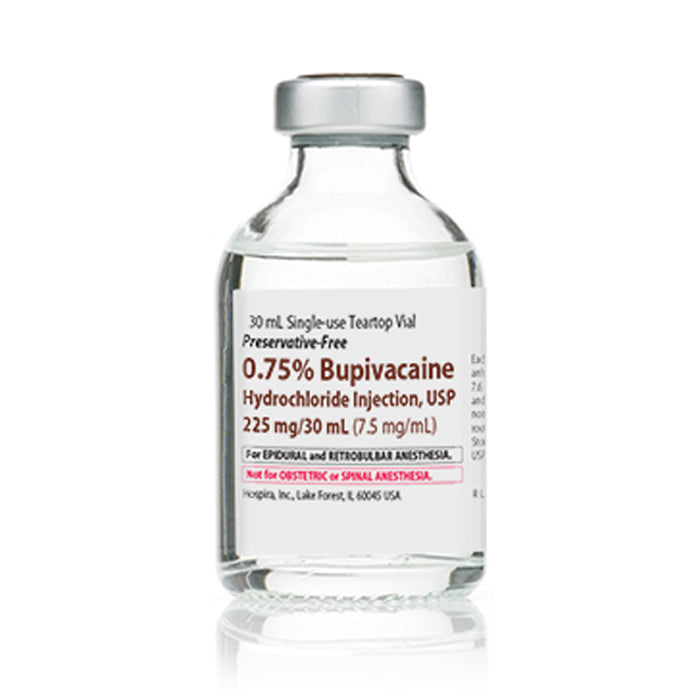
Bupivacaine 0.75% for Injection Single-Dose Vials 30 mL, 25/Tray (Rx)

Year End Sale 14%
Original price $ 229.95
Current price $ 197.00
SKU 00409-1165-02
*Mountainside Medical does not fill personal prescriptions Medical Professional License Required to Unlock Account

How to Order:

Send an email request to: sales@mountainside-medical.com

You will receive instructions on how to create an account along with Rx Ordering Details.

(Note: Acceptable licenses must have Prescriptive Authority in the license issuing state.)

Bupivacaine 0.75% for Injection is a local anesthetic used to provide prolonged pain relief by blocking nerve signals during surgical, dental, or obstetric procedures, including labor and delivery. It works by numbing a specific area to inhibit sensation and reduce discomfort. Bupivacaine is particularly effective for regional anesthesia techniques like epidurals and nerve blocks, offering sustained pain management for complex procedures and postoperative recovery.

Bupivacaine 0.75% for Injection is a local anesthetic used primarily for regional anesthesia, including epidural and peripheral nerve block techniques. Offered by Pfizer Injectables, these vials are designed for single-dose use in medical settings to provide long-lasting pain relief during surgery or obstetric procedures.

Details and Features

Active Ingredient: Bupivacaine Hydrochloride
Concentration: 0.75% (7.5 mg/mL)
Volume: 30 mL per vial
Format: Single-dose vial 
Packaging: 25 vials per tray
Indications: Suitable for surgical anesthesia, obstetrical procedures, and other interventions requiring prolonged local or regional anesthetic effect.
Manufacturer: Pfizer Injectables

Mechanism of Action

Bupivacaine works by blocking sodium channels on neuronal membranes, specifically inhibiting the initiation and transmission of nerve impulses. This action results in a reversible loss of sensation, providing effective local or regional anesthesia. Compared to other local anesthetics, bupivacaine has a longer duration of action, making it suitable for procedures requiring extended anesthesia.

Warnings

  • Cardiovascular Risks: There is a significant risk of cardiotoxicity, especially if inadvertently injected intravascularly. This includes the potential for arrhythmias or cardiac arrest. 
  • Central Nervous System Effects: Potential for CNS toxicity, which may present as tinnitus, seizures, or respiratory depression.
  • Allergic Reactions: Though rare, patients may exhibit hypersensitivity to amide-type anesthetics.
  • Use in Pregnant Women: Caution is advised, particularly when used for epidural anesthesia, as it can affect maternal blood pressure and fetal wellbeing.
  • Contraindications: Not suitable for intravenous regional anesthesia (Bier block) or in patients with any history of hypersensitivity to bupivacaine or similar drugs.

Side Effects

Common Side Effects:

  • Prolonged numbness or tingling in the area of injection
  • Hypotension
  • Nausea
  • Dizziness or lightheadedness

Serious Side Effects:

  • Cardiovascular events: Bradycardia, hypotension, cardiac arrest
  • Central nervous system toxicity: Seizures, confusion, persistent drowsiness
  • Allergic reactions: Anaphylaxis, rash, or hives
  • Respiratory depression or difficulty breathing

Administration and Monitoring

Administration should be conducted by trained healthcare professionals familiar with anesthesia techniques and the management of potential toxicities. It is essential to monitor cardiovascular and respiratory function throughout the use of bupivacaine, especially when used in high doses or in sensitive populations. Facilities for resuscitation should be readily available when using this medication. Adjustments in dosage and careful monitoring are crucial to mitigate adverse effects, especially in patients with existing cardiac conditions or those receiving other CNS depressants.

Bupivacaine 0.75% for Injection Single-Dose Vials 30 mL, 25/Tray (Rx)
$ 229.95 $ 197.00
🔒 Medical License Required
FAQs for Bupivacaine Injections
  • What is a Bupivacaine Injection Used For?

    Bupivacaine Injection is used to numb specific parts of the body during surgery, childbirth (labor epidurals), dental procedures, or minor surgical interventions. It is commonly used for: Regional anesthesia Spinal and epidural anesthesia Peripheral nerve blocks Postoperative pain management Labor and delivery pain relief

  • Top Health Benefits & Key Features

    Long-Lasting Local Anesthetic: Provides pain relief for up to 6–12 hours, much longer than alternative anesthetics. Targeted Pain Control: Perfect for blocking pain in a specific area, reducing the need for opioid painkillers. Proven Safety: Extensively tested in clinical settings for surgical anesthesia and chronic pain management.

  • How long does a bupivacaine injection last?

    Bupivacaine offers extended anesthesia; effects usually last 6 to 12 hours depending on dose and site of administration.

  • Can bupivacaine cause nausea?

    Yes, some patients may experience side effects such as nausea, vomiting, dizziness, or low blood pressure. Always consult your doctor if you experience side effects.

  • Is bupivacaine used in pregnancy?

    Yes, bupivacaine is frequently used during labor and delivery as an epidural anesthesia for pain relief. However, your doctor will determine if it's appropriate for your pregnancy.

  • What pain does bupivacaine take away?

    Bupivacaine is effective against surgical pain, dental pain, labor pain, and postoperative discomfort through regional or local administration.

  • Is bupivacaine a cortisone shot?

    No, bupivacaine is a local anesthetic, not a corticosteroid. It numbs nerves to block pain but does not reduce inflammation like cortisone.

  • What is the cost of bupivacaine?

    The cost of bupivacaine can vary by dose, brand, and location. On average, hospital/surgical use ranges from $5 to $30 per dose. Bulk or pharmacy prices may differ.

  • How much bupivacaine is needed for a spinal?

    For spinal anesthesia, the typical adult dose is 7.5–15 mg (0.5% solution, 1.5–3 mL), but your anesthesiologist will determine the safest dose tailored to your procedure.

  • Where can bupivacaine be injected?

    Bupivacaine can be injected into or near spinal fluid, epidural space, peripheral nerves, gums (dental), or surgical sites, depending on the application.

  • What drugs interact with bupivacaine?

    Possible interactions include antiarrhythmics (like mexiletine), other local anesthetics, CNS depressants, anticoagulants, and certain antibiotics. Always consult your doctor regarding all current medications.

  • What should I tell my doctor before bupivacaine?

    Tell your doctor if you have any allergies, liver disease, heart conditions, history of seizures, or are taking any medications or herbal supplements.

  • How long does local anesthesia stay in your system?

    While numbness may fade after 6–12 hours, bupivacaine and its metabolites may remain in the body for up to 24 hours. Your body clears it naturally.

  • Why Choose Bupivacaine?

    Best local anesthetic for major and minor procedures Widely used for spinal, epidural, and nerve block anesthesia Trusted by surgeons, dentists, and anesthesiologists High safety profile when administered by professionals

Search Any Type of Product, Medication, or Alignment