
Electrocautery Pens, Cautery Pen
Cautery Pens
A cautery pen (often called an electrosurgical pencil) is a handheld surgical instrument that applies heat to tissue for cutting, coagulating, or ablating purposes. In practice, it delivers high-frequency electrical energy (radiofrequency) through a metal tip, heating the tissue on contact. The heat either vaporizes cells for a bloodless incision or coagulates blood and proteins to seal vessels. In monopolar mode, the active electrode at the pen’s tip delivers current through the patient to a large return pad (grounding pad) on the body. In bipolar mode, special forceps are used so that current flows only between the two tines (no patient pad needed). (For completeness, note that a “thermocautery” or “electrocautery” pen uses a heated wire or filament with no current passing through the patient.) Modern cautery pens are typically sterile, often disposable, and compatible with standard electrosurgical units.
Types of Cautery Devices
- Monopolar electrosurgical pencil: The most common cautery pen. It has a single active electrode and requires a distant grounding pad on the patient. Current flows from the tip through the patient to the pad. The active tip can be swapped (needle, blade, ball, loop, etc.) depending on use.
- Bipolar forceps: Two-pronged forceps where one prong is active and the other is return. Current passes only through tissue grasped between the tips. Bipolar pens are used for precise coagulation in very small areas (e.g. neurosurgery or microsurgery) and are safer in patients with pacemakers or other implants.
- Thermocautery (electrocautery pen): A battery- or cable-powered pen that directly heats its tip (often by DC current). Since no current flows through the patient, this is technically thermocautery, not electrosurgery. These pens achieve cutting/coagulation by direct heat and are useful if electrical interference must be avoided (e.g. near cardiac devices).
- Hyfrecator and tabletop electrosurgical units: Low-power cautery machines (often used in dermatology clinics) also use pencil handpieces. The hyfrecator produces low-intensity RF energy for fulguration/coagulation of superficial lesions. It offers adjustable power and a variety of tip shapes (needle, blunt, ball tips) for pinpoint contact or surface coagulation.
Applications and Uses
Cautery pens are ubiquitous in medicine wherever hemostasis or tissue removal is needed. They are standard tools in surgery, dermatology, ENT, ophthalmology, and more. Typical uses include:
- Dermatologic procedures: Destruction or excision of skin lesions. For example, superficial lesions like skin tags, seborrhoeic keratoses, viral warts, small benign angiomas or telangiectasias are commonly treated with electrodessication/fulguration. Larger lesions (e.g. basal cell or squamous cell carcinomas, pyogenic granulomas) can be excised with simultaneous coagulation to minimize bleeding. Electrosurgery often replaces scissors or scalpels for shave removals and small excisions because it provides immediate hemostasis and usually results in minimal scarring.
- Minor and plastic surgery: Cautery pens allow cutting through skin and subcutaneous tissue with built-in hemostasis. Surgeons use them for excisions, dissections, and resections (e.g. blepharoplasty or rhinoplasty incisions, mole removal). Because the electrosurgical cut is so fine, it often preserves tissue architecture for histology and promotes faster healing. Even complex flaps or Z-plasties can be cut without tearing, since the heat-seal minimizes mechanical trauma.
- General surgical bleeding control: In any operative setting (open or laparoscopic), cautery pens are used to seal small vessels instead of suture ties or metal clips. Monopolar coagulation can “weld” vessels from the inside, preventing diffuse bleeding. For example, skin and subcutaneous bleeders are coagulated with a ball or broad tip; sutured vessels can be reinforced with electrocautery. Electrofulguration (non-contact sparking) is also used to seal diffuse bleeding areas (e.g. oozing surfaces) without deep tissue damage.
- ENT and nasal cautery: Cautery pens are routinely used for nasal mucosa and turbinate cauterization (e.g. to treat nosebleeds or turbinate hypertrophy). In ENT clinics, chemical or thermal cauterization with a small cautery pen may be applied to a bleeding nasal vessel. Similarly, they are used in tonsil or adenoidectomies to achieve hemostasis of small vessels.
- Ophthalmology: Delicate cautery pens are used for eyelid surgeries (e.g. stye/chalazion removal, eyelid margin lesions) and for lacrimal duct cauterization.
- Gynecology: A variant of cautery (LEEP or cone loops) is used to excise cervical tissue. The principles are similar: an electrosurgical loop cuts and coagulates cervical lesions.
- Other specialties: Cauterypens are also seen in urology (e.g. coagulating bleeders in transurethral resections), proctology, podiatry, etc. In any field, when a surgeon needs a quick, localized burn for hemostasis or ablation, the cautery pen is the tool of choice. (By contrast, giving cautery energy solely to a patient with normal, unaffected tissue does not increase “energy” or overall vitality–its benefits only apply when treating abnormal bleeding or tissue. This is akin to how therapeutic interventions only have effect in diseased states.)
Techniques for Optimal Results
To achieve the best surgical outcome with minimal collateral damage, the following techniques are recommended:
- Mode and tip selection: Use the appropriate waveform and electrode tip for the task. For cutting (electrosection), select a fine needle or knife electrode and set the generator to a continuous (“pure cut”) mode. For coagulation, switch to a damped or blended mode and use a ball or broad tip to spread current (lower energy density). Dermatologic tips (e.g. angled needle for pinpoint coagulation, blade for incisions) can improve precision. Bipolar forceps are used for very fine vessel coagulation when isolation is needed.
- Cutting technique: Gently glide the active tip through the tissue in a smooth, continuous motion. Do not force or punch; the heat does the work. As the Tip moves forward, the concentrated energy “vaporizes” cells in its path, creating a fine incision. Pause between strokes if needed to reassess. Lower power settings cause less charring, so start at moderate power and increase only if the tissue does not cut easily.
- Coagulation and hemostasis: For bleeding vessels, place the tip in contact with (or slightly above) the vessel. Activate the current briefly (usually <1–2 seconds) and shut it off as soon as the tissue blanches. This short pulse effectively “welds” the end of the vessel; holding too long leads to excessive charring and deeper thermal injury. If using a spray/flame (electrofulguration) technique, hold the electrode a millimeter or two from the tissue, creating a spark – this carbonizes the surface broadly and is useful for diffuse low-grade bleeding. In all cases, allow the tissue to cool briefly between applications.
- Maintaining the electrode tip: Eschar (carbon buildup) on the tip impedes energy delivery and increases fire risk. Wipe off char with a saline-soaked gauze or replace with a new disposable tip when visible. Modern pencils often use sterile, disposable metal tips (to avoid infection). Using Teflon/PTFE-coated tips or silicone-sheathed handpieces can further reduce eschar adherence.
- Patient preparation: Ensure the patient’s skin at the pad site is clean, hairless, and free of creams or scars. Place the grounding pad on a well-vascularized muscle area (e.g. thigh or buttock), away from bony prominences or metal implants. Confirm good suction and absorbent packing to remove smoke and debris as the surgeon works. If performing fulguration, smoke evacuators (with a suction nozzle ~2 cm from the site) should be engaged to clear plume.
Safety, Tips, and Precautions
Cautery pens involve high heat and electricity, so strict safety protocols are essential for both patient and staff:
- Electrical and fire safety: Always let any alcohol-based skin prep or antiseptic (e.g. ethyl or isopropyl alcohol) dry completely before activating the cautery. Prefer water-based or non-flammable preps (chlorhexidine, povidone-iodine) in the field when possible. Keep the surgical site isolated from open oxygen flow (e.g. turn down nasal oxygen) during cautery use, as high oxygen can fuel combustion.
- Grounding and insulation: Verify that the return pad makes full contact (no wrinkles) on intact skin. The patient should not physically touch metal surfaces (table rails, IV poles) to avoid alternate current paths. The assistant should also avoid grounding themselves on metal. Wear surgical gloves (insulation) when handling the active electrode to minimize shock risk. Confirm the pencil’s handpiece and cables are undamaged and properly connected before use. Many notebooks recommend placing the active pencil in its insulated holster or using a shorting device when idle to prevent inadvertent activation.
- Patient factors: Check for the presence of a pacemaker or implantable cardioverter-defibrillator (ICD). Electrosurgical currents can interfere with these devices (causing inhibition, inappropriate shocks, or reprogramming). If such a device is present, use bipolar cautery if possible and limit continuous monopolar use. Use short (<5-second) bursts of energy at the lowest effective power. Consider placing a magnet over the device or using true thermocautery only (no electrical circuit) in high-risk cases.
- Smoke evacuation and infection control: Surgical smoke from electrocautery contains carbonized tissue, toxic gases (benzene, cyanide, etc.), and viral particles (e.g. HPV). Always use a smoke evacuator or suction to capture plume during dermal ablations or any time smoke is visible. Staff in the room should wear surgical masks (or particulate respirators) to minimize inhalation risk. Dispose of the used electrode and any tissue shavings per biohazard protocol (used tips should go into sharps containers).
- Power settings and monitoring: Start at the lowest power that achieves cutting/coagulation, to minimize unwanted deep burns. Be aware that changing the power setting (or voltage waveform) can alter the depth and vigor of coagulation. Continuously monitor the surgical field: if a patient’s tissues char excessively or heating seems uncontrolled, cease energy application immediately. Have sterile water or saline available to cool areas if needed.
- After-use care: Inform nursing staff of any special aftercare. Cautery wounds are usually dry with an eschar; advise keeping the area clean and watching for any delayed bleeding (though bleeding is rare if welding is adequate). Document the type of cautery used, settings, and pad placement in the operative record.
Key Points: Cautery pens are powerful tools that cut and coagulate by heat. They expedite procedures by providing instant hemostasis and precise tissue ablation. Correct technique (appropriate tip, power, and timing) yields fine cuts and sealed vessels with minimal collateral damage. However, users must respect fire and electrical hazards: avoid flammable agents, use grounding pads correctly, safeguard patients with electrical implants, and evacuate surgical smoke. By following best practices – such as pre-testing equipment, wiping char off tips, and using smoke evacuators – physicians and nurses can safely harness cautery pens for efficient, effective surgical and dermatologic care.
-
 Sale 10%
Original price $ 169.95Current price $ 153.00
Sale 10%
Original price $ 169.95Current price $ 153.00Surgical Cautery Pen Electrocautery Tool with Elongated Fine Tip, Low Temperature 10/Box
The Aspen Surgical Surgical Cautery Pen, Electrocautery Tool with Elongated Fine Tip, Low Temperature (10/Box) #AA04 is a single-use, battery-opera...
View full details -
 Sale 23%
Original price $ 19.95Current price $ 15.30
Sale 23%
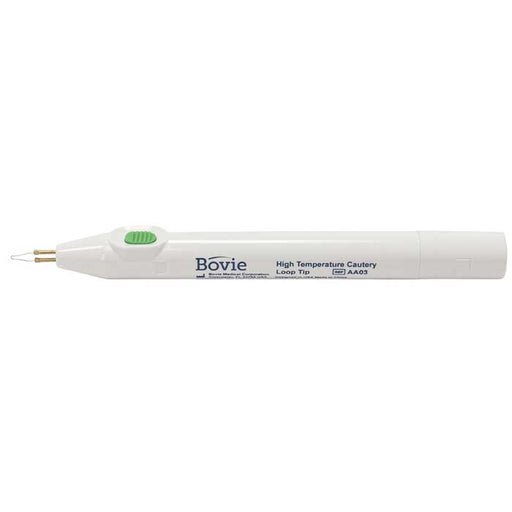
Original price $ 19.95Current price $ 15.30Bovie High Temperature Cauteries AA03 Loop Tip (1 Each)
The Bovie High Temperature Cauteries AA03 Loop Tip is a medical device attachment used for cutting or cauterizing tissue during surgical procedures...
View full details -
 Sale 26%
Original price $ 18.95Current price $ 13.95
Sale 26%
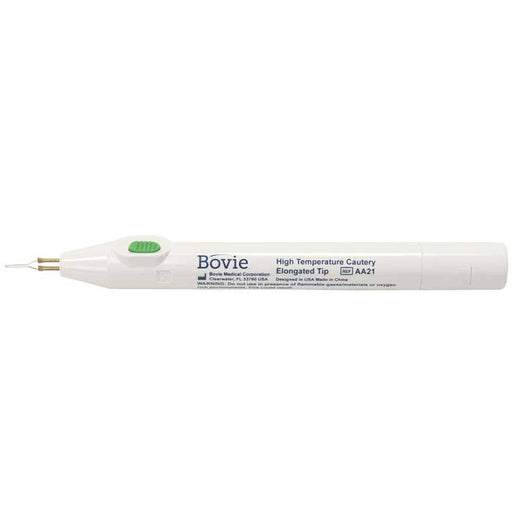
Original price $ 18.95Current price $ 13.95Bovie Surgical Cautery Vasectomy Tip High Temperature 982°C - AA21 (1 Each)
The Bovie AA21 Surgical Cautery Vasectomy Tip is a specialized medical instrument used in vasectomy procedures. It is designed to deliver a high le...
View full details -
 Sale 36%
Original price $ 17.95Current price $ 11.50
Sale 36%
Original price $ 17.95Current price $ 11.50Bovie Surgical Cautery Ophthalmic Fine Tip Low Temperature 704°C / 1300°F - AA00 (1 Each)
Bovie Surgical Cautery is a crucial tool in modern medical procedures, known for its precision and efficiency in cutting and coagulating tissue. Th...
View full details -
 Sale 33%
Original price $ 45.00Current price $ 29.95
Sale 33%
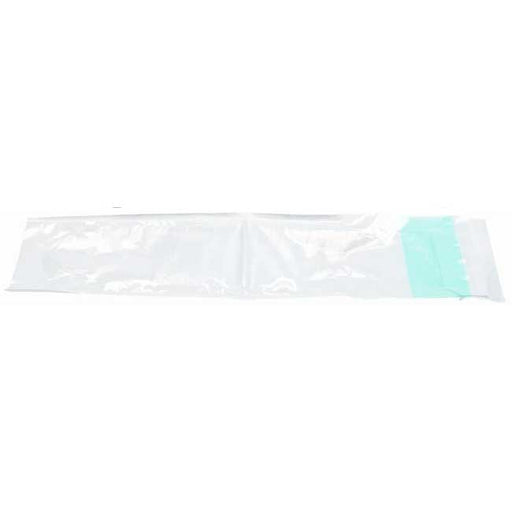
Original price $ 45.00Current price $ 29.95Bovie Sterile Sheath for Replaceable Cauteries - HISL 10/Box
Bovie Sterile Sheath for Replaceable Cauteries is a protective cover that is used to cover the replaceable tips of electrosurgical cauteries. It is...
View full details -
 Sale 34%
Original price $ 17.95Current price $ 11.85
Sale 34%
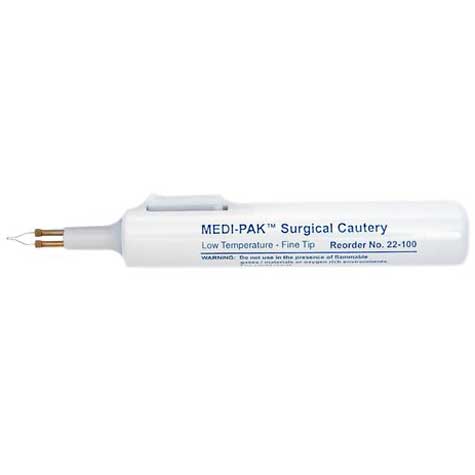
Original price $ 17.95Current price $ 11.85Argent Surgical Cautery Ophthalmic Fine Tip Low Temperature, Fixed 1300°F
Argent Surgical Cautery Ophthalmic Fine Tip Low Temperature, Fixed 1300°F is a medical device used in eye surgery for precise and low heat cauteriz...
View full details -
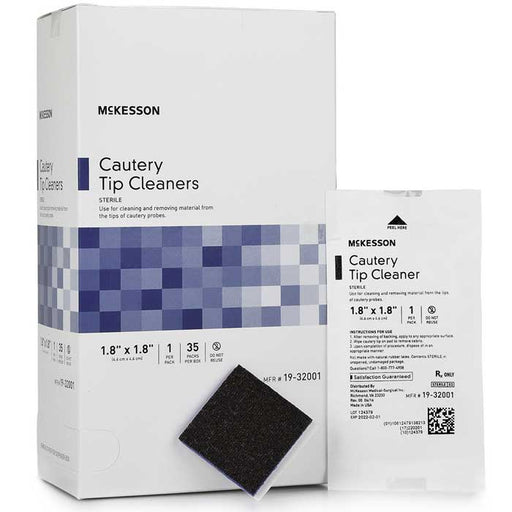 Sale 35%
Original price $ 37.95Current price $ 24.50
Sale 35%
Original price $ 37.95Current price $ 24.50Cautery Tip Cleaner Pads, Sterile, 35/Box
Cautery tip cleaner pads are sterile pads that are used to clean and sterilize the tips of cautery or electrosurgical instruments. These pads are t...
View full details -
 Sale
$ 11.95
Sale
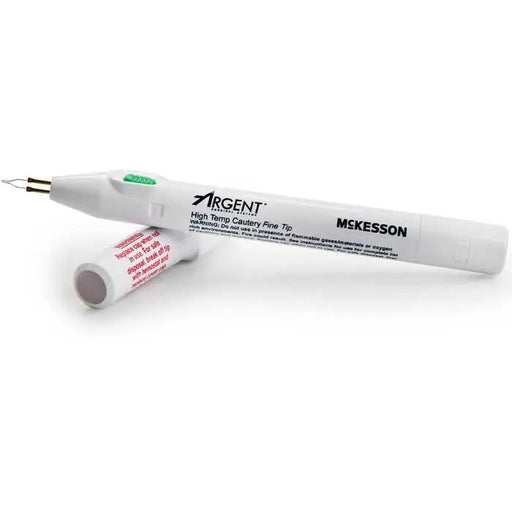
$ 11.95Surgical Cautery High Temperature
Argent Surgical Cautery High Temperature (also known as high frequency electrosurgery) is a medical procedure that uses a high frequency electrical...
View full details -
 Sale 34%
Original price $ 22.95Current price $ 15.10
Sale 34%
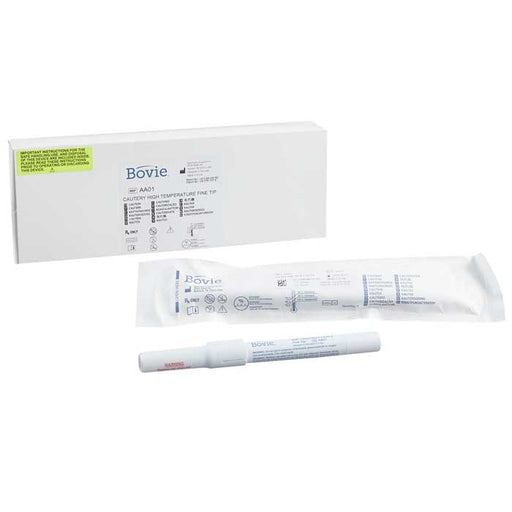
Original price $ 22.95Current price $ 15.10Bovie Surgical Cautery with Fine Tip High Temperature 2200° F (1204° C) (1 Each)
Bovie Surgical Cautery with Fine Tip High Temperature 2200° F (1204° C) is a medical tool used in surgical procedures for coagulating or cauterizin...
View full details -
 Sale 27%
Original price $ 149.95Current price $ 109.00
Sale 27%
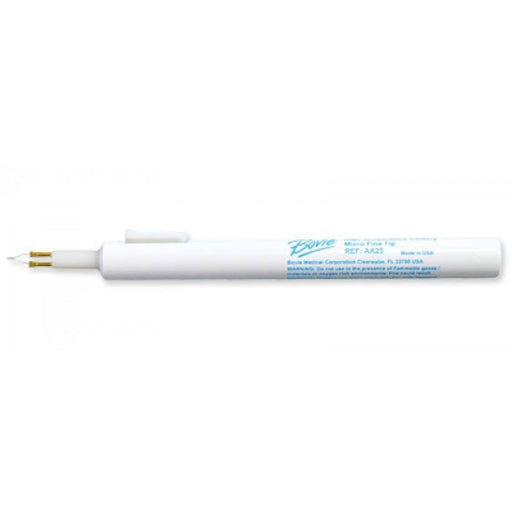
Original price $ 149.95Current price $ 109.00Aaron Bovie Sterile High-Temp Micro Tip Cautery
Aaron Sterile High-Temp Micro Tip Cautery is a battery operated, lightweight utensil designed for easy, effective cauterization procedures. This c...
View full details -
 Sale
$ 115.00
Sale
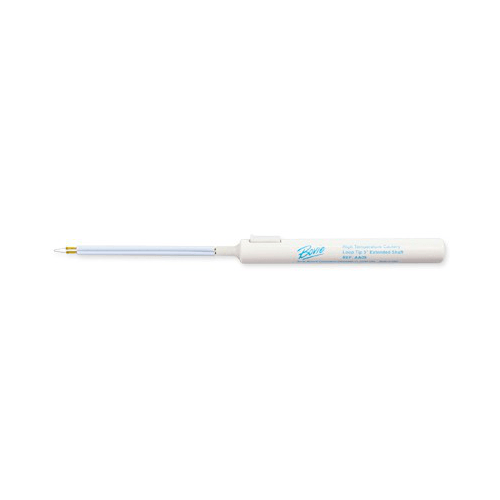
$ 115.00Aaron Sterile High-Temp Loop Tip Cautery 10/Box
Aaron Sterile Extended Shaft Cauteries are specially designed for superior accuracy, reliability and ease of use. These cauteries offer an elongat...
View full details -
 Sale 22%
Original price $ 139.99Current price $ 109.00
Sale 22%
Original price $ 139.99Current price $ 109.00AA17 Surgical Cautery Pen High Temperature with Fine-Tip, Extended 2 Inch Shaft (10 Per Box)
The AA17 Surgical Cautery Pen is a sterile, disposable, battery-operated cautery device designed for high-temperature coagulation and rapid hemosta...
View full details -
 Sale 26%
Original price $ 139.95Current price $ 103.50
Sale 26%
Original price $ 139.95Current price $ 103.50AA90 Surgical Cautery Pen with Micro Fine Tip Low Temperature 454°C (10/Box)
The AA90 Surgical Cautery Pen from Aspen Surgical Products is a sterile, disposable cautery device designed for precise coagulation and hemostasis ...
View full details -
 Sale 7%
Original price $ 159.95Current price $ 148.00
Sale 7%
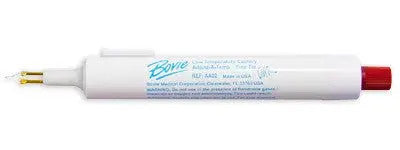
Original price $ 159.95Current price $ 148.00Aaron Variable-Temp Sterile Cauteries
Aaron Bovie Variable-Temp Sterile Cauteries are disposable, a battery-operated cautery that functions in a variable temperature range. These steril...
View full details


Cautery Pens
A cautery pen (often called an electrosurgical pencil) is a handheld surgical instrument that applies heat to tissue for cutting, coagulating, or ablating purposes. In practice, it delivers high-frequency electrical energy (radiofrequency) through a metal tip, heating the tissue on contact. The heat either vaporizes cells for a bloodless incision or coagulates blood and proteins to seal vessels. In monopolar mode, the active electrode at the pen’s tip delivers current through the patient to a large return pad (grounding pad) on the body. In bipolar mode, special forceps are used so that current flows only between the two tines (no patient pad needed). (For completeness, note that a “thermocautery” or “electrocautery” pen uses a heated wire or filament with no current passing through the patient.) Modern cautery pens are typically sterile, often disposable, and compatible with standard electrosurgical units.
Types of Cautery Devices
- Monopolar electrosurgical pencil: The most common cautery pen. It has a single active electrode and requires a distant grounding pad on the patient. Current flows from the tip through the patient to the pad. The active tip can be swapped (needle, blade, ball, loop, etc.) depending on use.
- Bipolar forceps: Two-pronged forceps where one prong is active and the other is return. Current passes only through tissue grasped between the tips. Bipolar pens are used for precise coagulation in very small areas (e.g. neurosurgery or microsurgery) and are safer in patients with pacemakers or other implants.
- Thermocautery (electrocautery pen): A battery- or cable-powered pen that directly heats its tip (often by DC current). Since no current flows through the patient, this is technically thermocautery, not electrosurgery. These pens achieve cutting/coagulation by direct heat and are useful if electrical interference must be avoided (e.g. near cardiac devices).
- Hyfrecator and tabletop electrosurgical units: Low-power cautery machines (often used in dermatology clinics) also use pencil handpieces. The hyfrecator produces low-intensity RF energy for fulguration/coagulation of superficial lesions. It offers adjustable power and a variety of tip shapes (needle, blunt, ball tips) for pinpoint contact or surface coagulation.
Applications and Uses
Cautery pens are ubiquitous in medicine wherever hemostasis or tissue removal is needed. They are standard tools in surgery, dermatology, ENT, ophthalmology, and more. Typical uses include:
- Dermatologic procedures: Destruction or excision of skin lesions. For example, superficial lesions like skin tags, seborrhoeic keratoses, viral warts, small benign angiomas or telangiectasias are commonly treated with electrodessication/fulguration. Larger lesions (e.g. basal cell or squamous cell carcinomas, pyogenic granulomas) can be excised with simultaneous coagulation to minimize bleeding. Electrosurgery often replaces scissors or scalpels for shave removals and small excisions because it provides immediate hemostasis and usually results in minimal scarring.
- Minor and plastic surgery: Cautery pens allow cutting through skin and subcutaneous tissue with built-in hemostasis. Surgeons use them for excisions, dissections, and resections (e.g. blepharoplasty or rhinoplasty incisions, mole removal). Because the electrosurgical cut is so fine, it often preserves tissue architecture for histology and promotes faster healing. Even complex flaps or Z-plasties can be cut without tearing, since the heat-seal minimizes mechanical trauma.
- General surgical bleeding control: In any operative setting (open or laparoscopic), cautery pens are used to seal small vessels instead of suture ties or metal clips. Monopolar coagulation can “weld” vessels from the inside, preventing diffuse bleeding. For example, skin and subcutaneous bleeders are coagulated with a ball or broad tip; sutured vessels can be reinforced with electrocautery. Electrofulguration (non-contact sparking) is also used to seal diffuse bleeding areas (e.g. oozing surfaces) without deep tissue damage.
- ENT and nasal cautery: Cautery pens are routinely used for nasal mucosa and turbinate cauterization (e.g. to treat nosebleeds or turbinate hypertrophy). In ENT clinics, chemical or thermal cauterization with a small cautery pen may be applied to a bleeding nasal vessel. Similarly, they are used in tonsil or adenoidectomies to achieve hemostasis of small vessels.
- Ophthalmology: Delicate cautery pens are used for eyelid surgeries (e.g. stye/chalazion removal, eyelid margin lesions) and for lacrimal duct cauterization.
- Gynecology: A variant of cautery (LEEP or cone loops) is used to excise cervical tissue. The principles are similar: an electrosurgical loop cuts and coagulates cervical lesions.
- Other specialties: Cauterypens are also seen in urology (e.g. coagulating bleeders in transurethral resections), proctology, podiatry, etc. In any field, when a surgeon needs a quick, localized burn for hemostasis or ablation, the cautery pen is the tool of choice. (By contrast, giving cautery energy solely to a patient with normal, unaffected tissue does not increase “energy” or overall vitality–its benefits only apply when treating abnormal bleeding or tissue. This is akin to how therapeutic interventions only have effect in diseased states.)
Techniques for Optimal Results
To achieve the best surgical outcome with minimal collateral damage, the following techniques are recommended:
- Mode and tip selection: Use the appropriate waveform and electrode tip for the task. For cutting (electrosection), select a fine needle or knife electrode and set the generator to a continuous (“pure cut”) mode. For coagulation, switch to a damped or blended mode and use a ball or broad tip to spread current (lower energy density). Dermatologic tips (e.g. angled needle for pinpoint coagulation, blade for incisions) can improve precision. Bipolar forceps are used for very fine vessel coagulation when isolation is needed.
- Cutting technique: Gently glide the active tip through the tissue in a smooth, continuous motion. Do not force or punch; the heat does the work. As the Tip moves forward, the concentrated energy “vaporizes” cells in its path, creating a fine incision. Pause between strokes if needed to reassess. Lower power settings cause less charring, so start at moderate power and increase only if the tissue does not cut easily.
- Coagulation and hemostasis: For bleeding vessels, place the tip in contact with (or slightly above) the vessel. Activate the current briefly (usually <1–2 seconds) and shut it off as soon as the tissue blanches. This short pulse effectively “welds” the end of the vessel; holding too long leads to excessive charring and deeper thermal injury. If using a spray/flame (electrofulguration) technique, hold the electrode a millimeter or two from the tissue, creating a spark – this carbonizes the surface broadly and is useful for diffuse low-grade bleeding. In all cases, allow the tissue to cool briefly between applications.
- Maintaining the electrode tip: Eschar (carbon buildup) on the tip impedes energy delivery and increases fire risk. Wipe off char with a saline-soaked gauze or replace with a new disposable tip when visible. Modern pencils often use sterile, disposable metal tips (to avoid infection). Using Teflon/PTFE-coated tips or silicone-sheathed handpieces can further reduce eschar adherence.
- Patient preparation: Ensure the patient’s skin at the pad site is clean, hairless, and free of creams or scars. Place the grounding pad on a well-vascularized muscle area (e.g. thigh or buttock), away from bony prominences or metal implants. Confirm good suction and absorbent packing to remove smoke and debris as the surgeon works. If performing fulguration, smoke evacuators (with a suction nozzle ~2 cm from the site) should be engaged to clear plume.
Safety, Tips, and Precautions
Cautery pens involve high heat and electricity, so strict safety protocols are essential for both patient and staff:
- Electrical and fire safety: Always let any alcohol-based skin prep or antiseptic (e.g. ethyl or isopropyl alcohol) dry completely before activating the cautery. Prefer water-based or non-flammable preps (chlorhexidine, povidone-iodine) in the field when possible. Keep the surgical site isolated from open oxygen flow (e.g. turn down nasal oxygen) during cautery use, as high oxygen can fuel combustion.
- Grounding and insulation: Verify that the return pad makes full contact (no wrinkles) on intact skin. The patient should not physically touch metal surfaces (table rails, IV poles) to avoid alternate current paths. The assistant should also avoid grounding themselves on metal. Wear surgical gloves (insulation) when handling the active electrode to minimize shock risk. Confirm the pencil’s handpiece and cables are undamaged and properly connected before use. Many notebooks recommend placing the active pencil in its insulated holster or using a shorting device when idle to prevent inadvertent activation.
- Patient factors: Check for the presence of a pacemaker or implantable cardioverter-defibrillator (ICD). Electrosurgical currents can interfere with these devices (causing inhibition, inappropriate shocks, or reprogramming). If such a device is present, use bipolar cautery if possible and limit continuous monopolar use. Use short (<5-second) bursts of energy at the lowest effective power. Consider placing a magnet over the device or using true thermocautery only (no electrical circuit) in high-risk cases.
- Smoke evacuation and infection control: Surgical smoke from electrocautery contains carbonized tissue, toxic gases (benzene, cyanide, etc.), and viral particles (e.g. HPV). Always use a smoke evacuator or suction to capture plume during dermal ablations or any time smoke is visible. Staff in the room should wear surgical masks (or particulate respirators) to minimize inhalation risk. Dispose of the used electrode and any tissue shavings per biohazard protocol (used tips should go into sharps containers).
- Power settings and monitoring: Start at the lowest power that achieves cutting/coagulation, to minimize unwanted deep burns. Be aware that changing the power setting (or voltage waveform) can alter the depth and vigor of coagulation. Continuously monitor the surgical field: if a patient’s tissues char excessively or heating seems uncontrolled, cease energy application immediately. Have sterile water or saline available to cool areas if needed.
- After-use care: Inform nursing staff of any special aftercare. Cautery wounds are usually dry with an eschar; advise keeping the area clean and watching for any delayed bleeding (though bleeding is rare if welding is adequate). Document the type of cautery used, settings, and pad placement in the operative record.
Key Points: Cautery pens are powerful tools that cut and coagulate by heat. They expedite procedures by providing instant hemostasis and precise tissue ablation. Correct technique (appropriate tip, power, and timing) yields fine cuts and sealed vessels with minimal collateral damage. However, users must respect fire and electrical hazards: avoid flammable agents, use grounding pads correctly, safeguard patients with electrical implants, and evacuate surgical smoke. By following best practices – such as pre-testing equipment, wiping char off tips, and using smoke evacuators – physicians and nurses can safely harness cautery pens for efficient, effective surgical and dermatologic care.
FAQs about Electrocautery Pens, Cautery Pens
-
What is the Use of Electrocautery Pen?
Electrocautery pens are used for removal of skin tags, wart removal, mole removal, minor surgeries, cosmetic skin procedures, and management of syringoma. They’re widely employed for hemostasis (stopping bleeding), treating seborrheic keratosis, angiomas, xanthelasma, and small papillomas. Electrocautery delivers targeted thermal energy to destroy unwanted tissue, ensuring clean results with minimal downtime.
-
Are Cautery Pens Reusable?
Most electrocautery pens are single-use for sterility, but some professional models offer reusable, autoclavable tips. Always check manufacturer instructions.
-
Do Cautery Pens Hurt?
Patients may experience mild discomfort or a mild burning sensation during the procedure. Use of topical anesthetic is common to reduce pain.
-
What is Electrocautery Pen for Syringoma?
Electrocautery pens are highly effective in syringoma removal as they precisely ablate the lesions with minimal scarring and fast healing.
-
How Painful is Electrocautery?
Pain level is generally low with anesthesia; mild stinging may be felt. Most patients tolerate the procedure very well.
-
What Should You Not Do After Electrocautery?
Avoid scratching, picking, or exposing the area to sunlight Keep the area clean and covered Avoid swimming, saunas, or heavy sweating for a few days
-
How to Use Cautery Pen for Skin Tags?
Cleanse area, anesthetize if needed, activate the pen, gently touch the skin tag until it blanches or shrivels, and apply topical antibiotic post-procedure.
-
What is Another Name for a Cautery Pen?
Other names include electrocautery device, electrosurgical pen, or thermal cautery pen.
-
Does Electrocautery Leave a Mark?
Proper technique and aftercare minimize scars; some temporary redness or pigmentation may occur but usually fades over time.
-
Do Warts Come Back After Electrocautery?
Wart recurrence is possible if entire tissue is not destroyed, but recurrence rate is lower compared to other methods.
-
What are the Disadvantages of Cautery?
Possible mild pain, temporary discoloration, risk of infection, scarring, and recurrence if improperly performed.
-
What are the Yellow and Blue Button on Cautery?
The yellow button typically activates “cut” mode, while the blue button is for “coagulate” mode—each delivers a different type and intensity of current.
-
Why Does Electrocautery Smell?
The burning of tissue can produce a smoky or burnt odor known as “cautery plume.”
-
How Long Does It Take for Skin to Heal After Electrocautery?
Most patients heal within 7-14 days. Redness and mild swelling subside within a week.
-
Is Electrocautery Safe on the Face?
Yes, with proper technique and settings, electrocautery is safe and effective for facial lesions.
-
Is Electrocautery the Same as Laser?
No, electrocautery uses heat from electric current, while laser uses focused light. Both are effective for lesion removal.
-
What are the Side Effects of Electrocautery?
Side effects include redness, swelling, temporary pigmentation changes, minor scabbing, and rarely, infection or lasting scars.
-
How Long Does It Take for a Skin Tag to Fall Off After Being Cauterized?
Usually 5–10 days after the procedure.
-
What is the Cost of Electrocautery Treatment?
Prices vary: typically $50–$500 per session depending on the area, provider, and lesion complexity.
-
What is the Aftercare of Electrocautery?
Keep area clean, apply topical antibiotics, avoid sun, refrain from picking the area, and follow provider’s instructions.
-
Why Choose Our Electrocautery Pens?
Trusted by dermatologists and cosmetic clinics worldwide High precision results for skin tags, moles, warts, syringoma, and more Safeguarded for sterility and user confidence Backed by clinical research and FDA certifications Top-rated for convenience and affordability