Skip to content
Free US shipping over $100

Urinary Drainage Bags

Discover premium Urinary Drainage Bags—trusted for reliable urine collection, superior infection control, and patient comfort in hospitals, clinics, and home care. These sterile, leak-proof bags feature easy-to-read measurement markings and secure anti-reflux valves for safe catheterization and long-term urinary management. Perfect for post-surgical recovery, incontinence, and bladder health, our Urinary Drainage Bags ensure hygiene, convenience, and optimal health outcomes. Shop now for fast shipping and top quality.

Urinary Drainage Bags – Reliable, Leak-Proof Catheter Bags for Safe & Hygienic Urine Collection | Use, Cleaning, FAQ, and Top Tips

Urinary drainage bags are essential medical devices for safe and convenient urine collection in patients who use a catheter. Trusted by hospitals, caregivers, and home health patients, our bedside and leg urine drainage bags are designed for comfort, discreet wear, durability, leak-resistance, and simple everyday use.

Order your trusted Urinary Drainage Bags today—fast, discreet shipping, best prices, and pharmacy-direct support for mobility, independence, and hygiene! Contact our expert team for product recommendations.

FAQs About Urinary Drainage Bags
  • What Is a Urinary Drainage Bag?

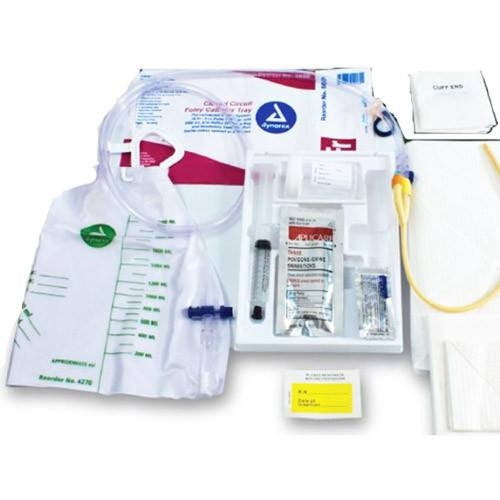
    A urinary drainage bag is a sterile collection bag that connects to a catheter (inserted into the bladder) to collect and store urine safely outside the body. Commonly used for patients with urinary retention, incontinence, surgery, or limited mobility, these bags promote independence and hygiene.

  • How to Use a Urinary Drainage Bag

    Attach the drainage bag to the catheter tube securely. Hang bedside bags below bladder level for nighttime or immobile use, or strap a compact leg bag to the thigh/calf for mobility. Regularly empty the bag by opening the bottom drain spout or outlet valve into a toilet or measuring container. Wash your hands before & after handling.

  • How Often Should a Urinary Drainage Bag Be Changed?

    Standard drainage bags should be changed every 5–7 days or sooner if soiled, leaking, or emitting odor. Disposable bags are single-use and should be replaced daily. Always follow your healthcare provider's instructions.

  • How to Clean a Urinary Drainage Bag?

    Rinse with warm soapy water after each emptying or at least once per day. After washing, disinfect with a solution of 1 part white vinegar to 3 parts water. Soak for 30 minutes, then rinse and air dry. Never use bleach or harsh chemicals, as these may damage the bag.

  • How to Shower With a Catheter Bag?

    Secure the bag to your leg with straps. Use a waterproof cover for the catheter site or follow your nurse’s advice. Keep the bag and tube below the bladder at all times to prevent backflow.

  • When Emptying Urine Drainage Bags, You Must:

    Wash hands and wear gloves if possible. Avoid touching the drainage spout tip to any surface. Pour out urine into the toilet, avoiding splashes. Clean the outlet valve with an alcohol wipe after every emptying.

  • What Are the Two Types of Drainage Bags?

    Leg Bags: Small, discreet, strapped to the leg for mobility. Bedside/Bulk Drainage Bags: Larger capacity, for overnight or immobile use.

  • What Is the Difference Between a Leg Bag and a Urinary Drainage Bag?

    Leg Bags: Worn during the day, lower capacity, easy to conceal under clothing. Bedside/Bulk Bags: Used at night or when bedridden, higher capacity, hung beside the bed or wheelchair.

  • Are There Alternatives to Urine Bags?

    External (condom) catheters Absorbent pads Intermittent (in-and-out) catheterization—draining without a permanent bag

  • Do Urine Collection Bags Smell? How Do I Stop My Pee Bag from Smelling?

    Clean properly and empty bags frequently to prevent odor. Use vinegar disinfectant solution to control bacteria and odor. If a strong smell persists, replace the bag and consult your healthcare provider.

  • Can the Urinary Drainage Bag Be Cleaned With Soap and Water?

    Yes—mild soap and warm water are safe for daily cleaning, followed by disinfection with a vinegar solution to kill bacteria and reduce odor.

  • How Often Should I Clean My Urinary Drainage Bag?

    Clean at least once daily and after every time you empty it for best hygiene.

  • Do You Need a Prescription for Catheter Bags?

    You usually need a prescription for catheter bags, especially for insurance reimbursement, but many medical supply stores offer direct private purchases.

  • What Must You Do When Emptying Urine Drainage Bags?

    Wash your hands Wear gloves (optional, but recommended) Empty when it’s 2/3 full—never overfill Don’t allow spout to contact contaminated surfaces Clean the drain port after use

  • How Long Does It Take for the Bladder to Return to Normal After Catheter Removal?

    Recovery varies, but bladder function typically returns within a few days to a week after catheter removal, depending on underlying conditions and patient age.

  • Urinary Drainage Bag Key Features & Benefits

    Universal Medical-Grade Connector Fit Anti-Reflux Valve Protection to Prevent Backflow Convenient Leg Straps or Bedside Hanger Clear Volume Measurement Markings Latex-Free, Soft, Durable Materials