
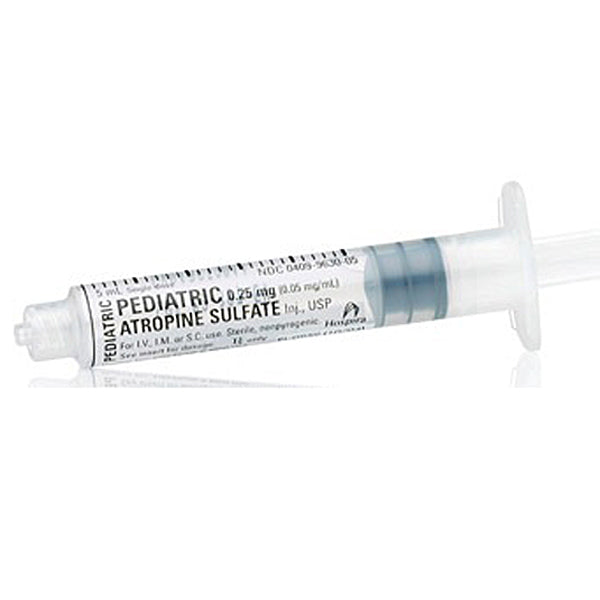
Atropine Sulfate Injection 0.05 mg/mL Pediatric Prefilled Ansyr Syringe 5 mL x 10/Pack (Rx)
How to Order:
You will receive instructions on how to create an account along with Rx Ordering Details.
(Note: Acceptable licenses must have Prescriptive Authority in the license issuing state.)
Atropine Sulfate Injection in Pediatric Prefilled Ansyr Syringe is primarily used in pediatric medicine to treat bradycardia (abnormally slow heart rate) and reduce salivation and respiratory secretions during surgery. It works by blocking the action of acetylcholine, thereby increasing heart rate and drying secretions. Atropine can also be used as an antidote in cases of organophosphate poisoning. This prefilled syringe is designed for emergency settings, ensuring rapid and precise administration in critical situations.
Atropine Sulfate Injection, provided by Pfizer Injectables, is available as a pediatric prefilled Ansyr syringe containing a concentration of 0.05 mg/mL. Packaged in sets of 10 syringes, each 5 mL in volume, it is specifically designed for pediatric use to ensure accurate dosing and ease of administration in emergency situations.
Details and Features
Active Ingredient: Atropine Sulfate
Concentration: 0.05 mg/mL
Volume: 5 mL per syringe
Packaging: 10 prefilled syringes per pack
Administration Route: Intravenous (IV), Intramuscular (IM), or Subcutaneous (SC)
Indications: Used primarily to treat bradycardia (slow heart rate), reduce salivation and bronchial secretions before surgery, and as an antidote for organophosphate poisoning. Also used in pediatric settings for specific acute conditions requiring atropine administration.
Mechanism of Action
Atropine is an anticholinergic agent that acts as a competitive antagonist of the muscarinic acetylcholine receptors. By blocking the action of acetylcholine on these receptors, atropine decreases parasympathetic nervous system activity. This results in an increase in heart rate (positive chronotropic effect), reduction of secretions (such as saliva and bronchial mucus), and relaxation of smooth muscle.
Warnings
-
Cardiovascular Effects: Caution is advised in individuals with coronary artery disease, arrhythmias, or other heart conditions; atropine may exacerbate these conditions due to its effect on heart rate.
-
Glaucoma: Atropine can precipitate acute angle-closure glaucoma in susceptible individuals.
-
Urinary Retention: Use with caution in patients with prostatic hypertrophy or urinary tract obstruction, as atropine can cause or worsen urinary retention.
-
Pediatric Considerations: Dosage should be carefully determined based on weight and specific clinical needs, especially in the pediatric population.
- Hyperthermia Risk: May lead to elevated body temperature due to suppression of sweating, particularly in hot environments or in children.
Side Effects
While atropine is generally effective in its intended uses, it can cause several potential side effects:
Common Side Effects:
- Dry mouth
- Blurred vision
- Sensitivity to light
- Tachycardia (increased heart rate)
- Urinary retention
- Constipation
Serious Side Effects:
- Severe bradycardia followed by tachycardia
- Confusion or hallucinations
- Flushed skin, especially in children (may indicate overdose or misuse)
- Difficulty urinating, extreme thirst
Other Considerations:
-
Monitoring: Continuous monitoring of heart rate and systemic effects is recommended during and after administration.
- Overdose: In case of overdose, symptoms such as photophobia, warm dry skin, and respiratory depression require immediate medical intervention.
Atropine Sulfate Injection is a critical medication used in various emergency and surgical applications. Proper dosing and administration under healthcare professional guidance are crucial to ensure safety and effectiveness, especially in pediatric populations.
