
Click or scroll to zoom
Tap or pinch to zoom
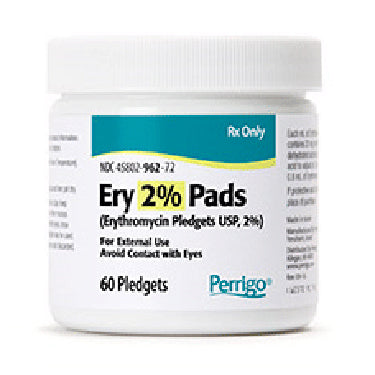
Ery 2% Pads Erythromycin Antibiotic Acne Treatment
by Padagis US
Year End Sale 23%
Original price
$ 195.95
Current price
$ 149.95
SKU 45802-962-72
*Mountainside Medical does not fill personal prescriptions
Medical Professional License Required to Unlock Account
How to Order:
You will receive instructions on how to create an account along with Rx Ordering Details.
(Note: Acceptable licenses must have Prescriptive Authority in the license issuing state.)
How to Order:
✔
Send an email request to: sales@mountainside-medical.com
You will receive instructions on how to create an account along with Rx Ordering Details.
(Note: Acceptable licenses must have Prescriptive Authority in the license issuing state.)
Ery 2% Pads are a form of topical medication that contains erythromycin, an antibiotic, in a concentration of 2%. This product is designed for external use on the skin to treat certain skin conditions, such as acne and rosacea. Erythromycin works by killing bacteria on the skin that can contribute to these skin conditions.
Ery 2% Pads are typically prescribed by a doctor and should be used as directed. They come in the form of medicated pads, which are pre-moistened with the medication. Each pad contains a specific amount of erythromycin, making it easy to apply the correct dosage. These pads are meant for external use only and should not be used near the eyes, mouth, or other sensitive areas.
It is important to follow the instructions provided by a doctor and to not use Ery 2% Pads on broken or irritated skin. These pads should also not be used in combination with other topical medications without consulting a doctor first.
Possible side effects of Ery 2% Pads may include skin irritation, dryness, and redness. If these side effects persist or worsen, it is important to contact a doctor. In rare cases, a severe allergic reaction to this medication may occur. If you experience symptoms such as rash, itching, swelling, or difficulty breathing, seek immediate medical attention.
Ery 2% Pads can be an effective treatment for certain skin conditions when used as directed by a doctor. It is important to carefully follow the instructions and to report any side effects to a medical professional.
Ery 2% Pads are typically prescribed by a doctor and should be used as directed. They come in the form of medicated pads, which are pre-moistened with the medication. Each pad contains a specific amount of erythromycin, making it easy to apply the correct dosage. These pads are meant for external use only and should not be used near the eyes, mouth, or other sensitive areas.
It is important to follow the instructions provided by a doctor and to not use Ery 2% Pads on broken or irritated skin. These pads should also not be used in combination with other topical medications without consulting a doctor first.
Possible side effects of Ery 2% Pads may include skin irritation, dryness, and redness. If these side effects persist or worsen, it is important to contact a doctor. In rare cases, a severe allergic reaction to this medication may occur. If you experience symptoms such as rash, itching, swelling, or difficulty breathing, seek immediate medical attention.
Ery 2% Pads can be an effective treatment for certain skin conditions when used as directed by a doctor. It is important to carefully follow the instructions and to report any side effects to a medical professional.
