Skip to content
Year-End Sale is Live Now - Up to 50% off
New users? Get 5% off on your first purchase.
Free US shipping over $100
Year-End Sale is Live Now - Up to 50% off
New users? Get 5% off on your first purchase.
Free US shipping over $100

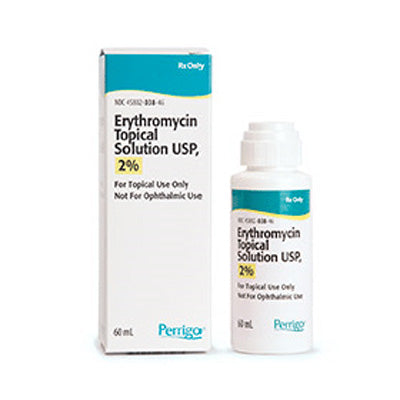
Erythromycin Topical Solution 2%, 60 grams

Year End Sale 44%
Original price $ 49.95
Current price $ 27.95
SKU 45802-0038-46
*Mountainside Medical does not fill personal prescriptions Medical Professional License Required to Unlock Account

How to Order:

Send an email request to: sales@mountainside-medical.com

You will receive instructions on how to create an account along with Rx Ordering Details.

(Note: Acceptable licenses must have Prescriptive Authority in the license issuing state.)

Erythromycin topical is a macrolide antibiotic that works by stopping the growth of bacteria. Erythromycin topical is used to treat bacterial infections of the skin.

Erythromycin Topical Solution 2% is a topical antibiotic that is used to treat a variety of skin infections. It works by stopping the growth of bacteria. Padagis US Erythromycin topical preparations are used on the skin to help control acne. They may be used alone or with one or more other medicines that are applied to the skin or taken by mouth for acne. They may also be used for other problems, such as skin infections, as determined by your doctor. This medication is used to treat acne. It helps to reduce the number of pimples. Erythromycin is an antibiotic (macrolide-type). It works by stopping the growth of bacteria. This product contains a large amount of alcohol which dries extra oils from the skin.

Clear up acne with Erythromycin Topical Solution 2% by Padagis US. This powerful antibiotic formulation targets acne-causing bacteria, reducing blemishes and promoting healthier skin.

What It Is Used For

Primarily used to treat acne vulgaris, this topical solution helps reduce acne lesions and control bacterial growth.

CDC Guidelines

While the CDC does not provide specific guidelines for topical antibiotics, general recommendations include:

  • Use as prescribed by a healthcare provider.
  • Complete the full course to prevent antibiotic resistance.
  • Monitor and report any adverse reactions.

Details and Features

  • Active Ingredient: Erythromycin 2%
  • Size: 60 grams
  • Formulation: Easy-to-apply solution
  • Features: Non-comedogenic, suitable for daily use

Mechanism of Action

Erythromycin works by inhibiting bacterial protein synthesis, binding to the 50S ribosomal subunit, thereby reducing the proliferation of acne-causing bacteria like Propionibacterium acnes.

Directions

  1. Cleanse the skin thoroughly before application.
  2. Apply a thin layer to affected areas once or twice daily.
  3. Allow to dry before applying other skincare products.

Warnings

  • For external use only. Avoid contact with eyes, mouth, and other mucous membranes.
  • Discontinue use if severe irritation or allergic reaction occurs.
  • Keep out of reach of children.

Side Effects

  • Possible skin irritation or dryness
  • Mild burning or stinging sensation
  • Rarely, peeling or increased redness

Consult a healthcare provider if side effects persist or worsen. Trust Erythromycin Topical Solution for effective acne treatment and clearer skin.

Erythromycin Topical Solution 2%, 60 grams
$ 49.95 $ 27.95
🔒 Medical License Required
FAQs about Erythromycin Antibiotics
  • What is the antibiotic erythromycin used for?

    Erythromycin is used to treat a wide variety of bacterial infections, including: Respiratory tract infections (such as pneumonia and bronchitis) Skin and soft tissue infections Whooping cough (pertussis) Strep throat (for penicillin-allergic patients) Certain sexually transmitted infections (such as chlamydia) Ear and sinus infections Acne vulgaris

  • What is the major side effect of erythromycin?

    The most common side effects of erythromycin include: Gastrointestinal disturbances: nausea, vomiting, diarrhea, abdominal pain Less commonly: Liver function changes (hepatotoxicity), allergic reactions, and rarely, QT prolongation (heart rhythm changes)

  • Can erythromycin cause headaches?

    Headaches are a possible but less common side effect.

  • Is erythromycin the same as amoxicillin?

    No, erythromycin and amoxicillin are different. Erythromycin is a macrolide antibiotic, whereas amoxicillin is a penicillin-based antibiotic. Their mechanisms of action and bacterial coverage differ.

  • Is erythromycin as strong as penicillin?

    While erythromycin is highly effective, especially for people allergic to penicillin, some bacterial strains may be more sensitive to penicillin, and others respond better to erythromycin.

  • What two diseases are treated with erythromycin?

    Two common diseases treated with erythromycin are: Whooping cough (pertussis) Chlamydia infection It is also widely used for respiratory tract and skin infections.

  • What to avoid when taking erythromycin?

    Do not take with certain medications (statins, blood thinners, antiarrhythmics) due to drug interactions. Avoid alcohol for best results. Grapefruit and grapefruit juice can increase erythromycin levels. Always consult your doctor or pharmacist for a complete list of interactions.

  • What organ does erythromycin affect?

    The liver is most affected. Erythromycin is processed by the liver and may alter liver enzyme levels.

  • Is erythromycin a steroid?

    No, erythromycin is NOT a steroid. It is a macrolide antibiotic.

  • Is erythromycin safe in pregnancy?

    Erythromycin is generally considered safe during pregnancy, but always consult your healthcare provider before use.

  • Which is better, erythromycin or doxycycline?

    The best antibiotic depends on the infection being treated and individual health factors. Erythromycin is often chosen when penicillin or tetracyclines (like doxycycline) cannot be used. Doxycycline may be preferred for certain infections, such as Lyme disease or some types of pneumonia.

  • Which antibiotic can replace erythromycin?

    Alternatives to erythromycin include: Azithromycin or clarithromycin (similar macrolides) Doxycycline, clindamycin, or amoxicillin (depending on the infection and patient allergy profile)

  • How quickly does erythromycin start working?

    You may start to feel better within 24-48 hours of starting erythromycin, but always complete the prescribed course.

  • Does erythromycin make you sleepy?

    Drowsiness is not a typical side effect, but fatigue may occur rarely.

  • Can you buy erythromycin over the counter?

    Erythromycin is a prescription-only antibiotic and cannot be purchased over the counter in most countries.

  • When not to use erythromycin?

    Do not use erythromycin if: You have a known allergy to erythromycin or macrolide antibiotics You are taking medications with known dangerous interactions You have severe liver disease

  • What else can erythromycin be used for?

    Erythromycin is also used: As a prokinetic agent for gastroparesis (off-label use) In acne treatment (tablet or topical form)

  • Can erythromycin cause headaches?

    Yes, erythromycin can cause headaches in some people, although it's not a common side effect.

  • Key Benefits:

    Broad-spectrum infection treatment Rapid-acting formula Suitable for penicillin-allergic patients Clinically proven efficacy Available by prescription only

Search Any Type of Product, Medication, or Alignment