Skip to content
Year-End Sale is Live Now - Up to 50% off
New users? Get 5% off on your first purchase.
Free US shipping over $100
Year-End Sale is Live Now - Up to 50% off
New users? Get 5% off on your first purchase.
Free US shipping over $100

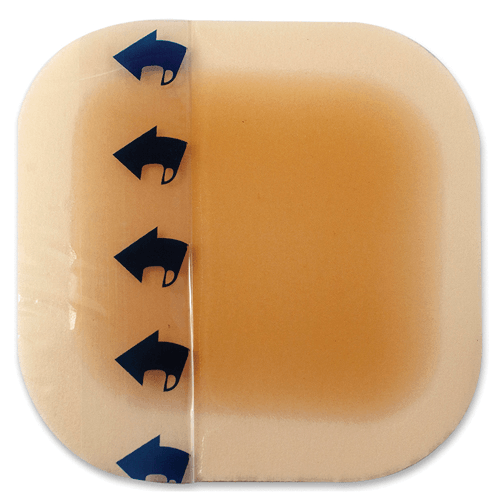
Hydrocolloid Foam Dressing 2" x 2", 10/box

by Dynarex
Year End Sale 30%
Original price $ 19.95
Current price $ 14.00
SKU 52921-3100-00

DynaDerm Hydrocolloid Dressing 4” x 4” works to maintain moisture on the site of your wound for a faster healing time. A single dressing can last for days and protect your wound from infection.

DynaDerm Hydrocolloid 2" x 2" Dressing Features:

  • Latex free
  • Sterile
  • 10 dressings per box

Benefits:

  • Can be worn for days without being changed  Maintains a moist environment for faster healing
  •  Protects the wound from the everyday elements

Ideal Uses:

  • Cuts/scrapes
  • Ulcers
  • Minor burns

Instructions for use:

Remove backing paper from dressing, apply dressing to would area, hold in place, and border with adhesive tape.        

Keep your wound covered with the Dynarex DynaDerm Hydrocolloid Dressing 4” x 4”. Dial 1-888-687-4334 to order a box from one of our friendly customer service reps.

Buy DynaDerm Hydrocolloid Dressings, Sterile online at Mountainside Medical Equipment.

Hydrocolloid Foam Dressing 2" x 2", 10/box
$ 19.95 $ 14.00
FAQs about Hydrocolloid Dressings
  • What Is Hydrocolloid Dressing Used For?

    Protecting & healing wounds: Ideal for pressure ulcers, minor burns, shallow open wounds, blisters, abrasions, post-op incisions, donor sites, and acne. Keeping wounds moist: Promotes faster healing and less pain by creating an optimal healing environment.

  • Can You Put Hydrocolloid on an Open Wound?

    Yes, hydrocolloid dressings are designed for shallow open wounds with low-to-moderate exudate (fluid). They’re not for deep, bleeding, or heavily draining wounds.

  • Can Kids Use Hydrocolloid Bandages?

    Yes! Hydrocolloid dressings are safe and gentle for kids—perfect for blisters, scrapes, or small wounds. Always select a child-appropriate size and check skin for allergies/sensitivity.

  • How Long Can I Leave a Hydrocolloid Dressing On?

    Most hydrocolloid dressings can be left in place for 3–7 days, or until they naturally loosen or show excessive fluid. Change earlier for leakage, infection signs, or if directed by your nurse/doctor.

  • Why Does Hydrocolloid Turn White?

    The dressing turns white and puffy as it absorbs fluid from the wound. This is a sign it’s maintaining a moist healing environment and working properly.

  • Do Hydrocolloids Increase Healing?

    Yes, studies show hydrocolloid dressings speed up wound healing and reduce scarring compared to traditional gauze by maintaining moisture and supporting new tissue growth.

  • Does Hydrocolloid Help Raw Skin?

    Absolutely. Hydrocolloid dressings are soothing on raw or grazed skin, helping protect nerve endings, reduce pain, and prevent infection.

  • Can I Shower With a Hydrocolloid Bandage?

    Yes—hydrocolloid dressings are waterproof and shower-proof when properly applied with full edge seal. Gently pat dry after the shower. Replace if edges peel or dressing leaks.

  • How to Tell if a Wound Is Infected?

    Look for redness, warmth, swelling, severe pain, pus, foul odor, or fever. If these signs appear, remove the dressing and contact your healthcare provider.

  • When Not to Use a Hydrocolloid Dressing?

    Avoid on infected wounds, deep or heavily draining wounds, ulcers with exposed bone/tendon, burns needing debridement, or in cases of allergy to ingredients. Don’t use on actively bleeding wounds.

  • What Is the Disadvantage of Hydrocolloids?

    Not for heavy exudate (fluid) wounds—may lead to leakage or maceration. Should not be used on clinically infected wounds. May stick firmly—care needed during removal from fragile skin. Rarely, can cause contact dermatitis or allergic reactions.

  • What Are the Side Effects of Hydrocolloid Dressing?

    Skin irritation, redness, itching, mild allergic reaction Maceration (skin softening) if left on too long or with too much fluid Rare: Odor, blistering if sensitivity is present

  • How to Remove Hydrocolloid Dressing?

    Gently peel from the edges, pulling parallel to your skin—never straight up. Remove slowly after soaking in warm water if needed for extra comfort.

  • What Happens if You Leave Hydrocolloid Patches on Too Long?

    May cause maceration (white, soggy skin), mild odor, or an increased risk of infection if wound fluid builds up. Always follow recommended change intervals.

  • How Fast Do Hydrocolloid Patches Work?

    Most people notice pain relief and fluid absorption within hours. Minor wounds, blisters, or pimples may show visible healing in 1–3 days; deeper wounds may take 1–2 weeks.

  • What Wounds Are Best for Hydrocolloid?

    Pressure ulcers, minor burns, shallow open wounds, chronically slow-healing wounds, blisters, and non-infected surgical sites show best results. Great for acne wounds—hydrocolloid acne patches are widely recommended.

  • What Is the Best Bandage for Wound Healing?

    Hydrocolloid dressings are among the best for moist wound healing, especially for shallow open wounds. Consult your provider for infected or complex wounds.

  • Key Features & Benefits

    Moisture-retentive, waterproof, and shower-safe Can remain in place for up to 7 days Minimizes scarring and speeds healing Pain-free removal, gentle on sensitive and pediatric skin Flexible and self-adhering for comfort and protection

Search Any Type of Product, Medication, or Alignment