Skip to content
Year-End Sale is Live Now - Up to 50% off
New users? Get 5% off on your first purchase.
Free US shipping over $100
Year-End Sale is Live Now - Up to 50% off
New users? Get 5% off on your first purchase.
Free US shipping over $100

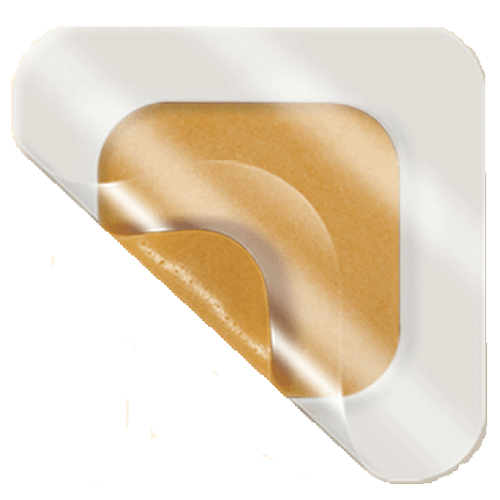
Medihoney Hydrogel Dressings with Adhesive Border 10/box

Year End Sale 11%
Original price $ 179.00
Current price $ 159.00
SKU 31720

Medihoney Hydrogel Sheet with Adhesive Border is a wound dressing that contains an added leptospermum honey based to treat moderate draining wounds and stage 2 and 3 pressure ulcers. Medihoney wound dressing features an adherent boarder with a honeycolloid center pad. The honey pad provides antibacterial protection against infection and optimizes the pH level of the wound as it cleanses and debrides the wound for an ideal wound healing environment. Each adhesive dressing is available in two sizes, is non-toxic, natural and safe.

  • 31720 Medihoney dressing 2.8" x 2.8" (4.3" x 4.3" with adhesive border) 10 dressing per box
  • 31740 Medihoney dressing 4.5" x 4.5" (6" x 6" with adhesive border) 10 dressing per box


Medihoney comes in a variety of forms – one of which is an adhesive dressing! This easy-to-use honeycolloid dressing utilizes medical-grade honey as its main active ingredient. This particular species of honey, Leptospermum, has been proven to provide many great benefits in the area of wound and burn care. Not only does it keep an antiseptic wound environment to prevent infection, but it also draws moisture from beneath to keep the wound lubricated and at an ideal pH level as it heals. This type of honey is free of pesticides, non-toxic and safe for use on many different kinds of wounds.


Honeycolloid Dressing Applications

  • To cover partial to full thickness wounds with light to moderate drainage
  • Ideal for Stage II/III Pressure Ulcers and skin tears that can be managed with an adhesive dressing


The Honeycolloid pad actually forms a gel as it warms up with body temperature and comes into contact with wound fluid for optimal wound protection and healing!

Therapeutic effects of honey-based dressings


  • Anti-inflammatory
  • Bactericidal and bacteriostatic properties
  • Debridement properties
  • Odor control properties
  • Retains bactericidal activity in vitro even after dilution


Medihoney Benefits


  • Ingredients are non-toxic, natural and safe
  • Comes from a traceable source
  • Is free of pesticides and antibiotics
  • Sterilized by gamma irradiation destroying any bacterial spores, without loss of product effectiveness


What is Leptospermum Honey?

  • The most studied type of honey for the management of wounds and burns
  • Derived from the pollen and nectar of specific Leptospermum species of plant in New Zealand and Australia
  • Unique in that it maintains its effectiveness even in the presence of wound fluid
  • The only species of honey that has been shown in randomized controlled studies to help wounds – that have stalled under first-line treatment – to progress towards healing


How does medical-grade honey work?

  • The osmotic pull of Medihoney draws lymph from deeper tissues through wound keeping it moist
  • Hydrogen peroxide is produced by the enzyme glucose oxidase in honey, which contributes to its antibacterial activity
  • Outflow of lymph fluid helps remove devitalized tissue from the wound bed
  • The pH level (near 3.5) improves the wound healing environment

**It has been shown that reducing the pH of a wound will help to modulate harmful proteases and improve oxygen diffusion


Medihoney Adhesive Dressing Features

  • Made with 80% active Leptospermum honey
  • Pad forms a gel as it warms up with body temp and comes into contact with wound fluid
  •  Cleanses and debrides
  • Helps lower overall wound pH level
  • Creates a moisture-balanced environment
  • Conducive to optimal healing
  •  Non-toxic, natural, safe
  • The potential for extended wear time (depending on level of wound exudate)
  • Easy to use
  • 2" x 2" or 4.5" x 4.5" size
  • 10 per box
  • Sold by the box

**Price varys depending on size chosen


Examples of Microorganisms against which Honey is effective


  • Methicillin-resistant Staphylococcus aureus
  • Staphylococcus aureus (various)
  • Vancomycin-resistant enterococci
  • Vancomycin-sensitive enterococci (various isolates)
  • Pseudomonas aeruginosa
  • Beta-hemolytic streptococci (various isolates)
  • Alcaligenes faecalis
  • Citrobacter freundii
  • Escherichia coli
  • Enterobacter aerogenes
  • Klebsiella pneumonia
  • Mycobacterium phlei
  • Salmonella California
  • Salmonella enteritidis
  • Salmonella typhimurium
  • Serratia marcescens
  • Shigella sonnei
  • Staphylococcus epidermidis
  • Staphylococcus capitis
  • Staphylococcus haemolyticus
  • Staphylococcus simulans
  • Staphylococcus warneri


Medihoney is great for…


  • Skin grafts
  • Infected trauma wounds
  • Necrotizing fasciitis (Fournier’s gangrene)
  • Abscesses
  • Pilonidal sinuses
  • Ulcers - Pressure ulcers, leg and foot ulcers, rheumatoid ulcers, tropical ulcers (Naga sores), and malignant ulcers
  • Lacerations to the leg
  • Traumatic wounds
  • Burns and scalds
  • Meningococcal septicemia skin lesions
  • Surgical wounds/infection
  • Herpetic lesions
  • Atopic dermatitis
  • Animal bite wound
Medihoney Hydrogel Dressings with Adhesive Border 10/box
$ 179.00 $ 159.00
FAQs about Hydrocolloid Dressings
  • What Is Hydrocolloid Dressing Used For?

    Protecting & healing wounds: Ideal for pressure ulcers, minor burns, shallow open wounds, blisters, abrasions, post-op incisions, donor sites, and acne. Keeping wounds moist: Promotes faster healing and less pain by creating an optimal healing environment.

  • Can You Put Hydrocolloid on an Open Wound?

    Yes, hydrocolloid dressings are designed for shallow open wounds with low-to-moderate exudate (fluid). They’re not for deep, bleeding, or heavily draining wounds.

  • Can Kids Use Hydrocolloid Bandages?

    Yes! Hydrocolloid dressings are safe and gentle for kids—perfect for blisters, scrapes, or small wounds. Always select a child-appropriate size and check skin for allergies/sensitivity.

  • How Long Can I Leave a Hydrocolloid Dressing On?

    Most hydrocolloid dressings can be left in place for 3–7 days, or until they naturally loosen or show excessive fluid. Change earlier for leakage, infection signs, or if directed by your nurse/doctor.

  • Why Does Hydrocolloid Turn White?

    The dressing turns white and puffy as it absorbs fluid from the wound. This is a sign it’s maintaining a moist healing environment and working properly.

  • Do Hydrocolloids Increase Healing?

    Yes, studies show hydrocolloid dressings speed up wound healing and reduce scarring compared to traditional gauze by maintaining moisture and supporting new tissue growth.

  • Does Hydrocolloid Help Raw Skin?

    Absolutely. Hydrocolloid dressings are soothing on raw or grazed skin, helping protect nerve endings, reduce pain, and prevent infection.

  • Can I Shower With a Hydrocolloid Bandage?

    Yes—hydrocolloid dressings are waterproof and shower-proof when properly applied with full edge seal. Gently pat dry after the shower. Replace if edges peel or dressing leaks.

  • How to Tell if a Wound Is Infected?

    Look for redness, warmth, swelling, severe pain, pus, foul odor, or fever. If these signs appear, remove the dressing and contact your healthcare provider.

  • When Not to Use a Hydrocolloid Dressing?

    Avoid on infected wounds, deep or heavily draining wounds, ulcers with exposed bone/tendon, burns needing debridement, or in cases of allergy to ingredients. Don’t use on actively bleeding wounds.

  • What Is the Disadvantage of Hydrocolloids?

    Not for heavy exudate (fluid) wounds—may lead to leakage or maceration. Should not be used on clinically infected wounds. May stick firmly—care needed during removal from fragile skin. Rarely, can cause contact dermatitis or allergic reactions.

  • What Are the Side Effects of Hydrocolloid Dressing?

    Skin irritation, redness, itching, mild allergic reaction Maceration (skin softening) if left on too long or with too much fluid Rare: Odor, blistering if sensitivity is present

  • How to Remove Hydrocolloid Dressing?

    Gently peel from the edges, pulling parallel to your skin—never straight up. Remove slowly after soaking in warm water if needed for extra comfort.

  • What Happens if You Leave Hydrocolloid Patches on Too Long?

    May cause maceration (white, soggy skin), mild odor, or an increased risk of infection if wound fluid builds up. Always follow recommended change intervals.

  • How Fast Do Hydrocolloid Patches Work?

    Most people notice pain relief and fluid absorption within hours. Minor wounds, blisters, or pimples may show visible healing in 1–3 days; deeper wounds may take 1–2 weeks.

  • What Wounds Are Best for Hydrocolloid?

    Pressure ulcers, minor burns, shallow open wounds, chronically slow-healing wounds, blisters, and non-infected surgical sites show best results. Great for acne wounds—hydrocolloid acne patches are widely recommended.

  • What Is the Best Bandage for Wound Healing?

    Hydrocolloid dressings are among the best for moist wound healing, especially for shallow open wounds. Consult your provider for infected or complex wounds.

  • Key Features & Benefits

    Moisture-retentive, waterproof, and shower-safe Can remain in place for up to 7 days Minimizes scarring and speeds healing Pain-free removal, gentle on sensitive and pediatric skin Flexible and self-adhering for comfort and protection

Search Any Type of Product, Medication, or Alignment