Skip to content
Year-End Sale is Live Now - Up to 50% off
New users? Get 5% off on your first purchase.
Free US shipping over $100
Year-End Sale is Live Now - Up to 50% off
New users? Get 5% off on your first purchase.
Free US shipping over $100

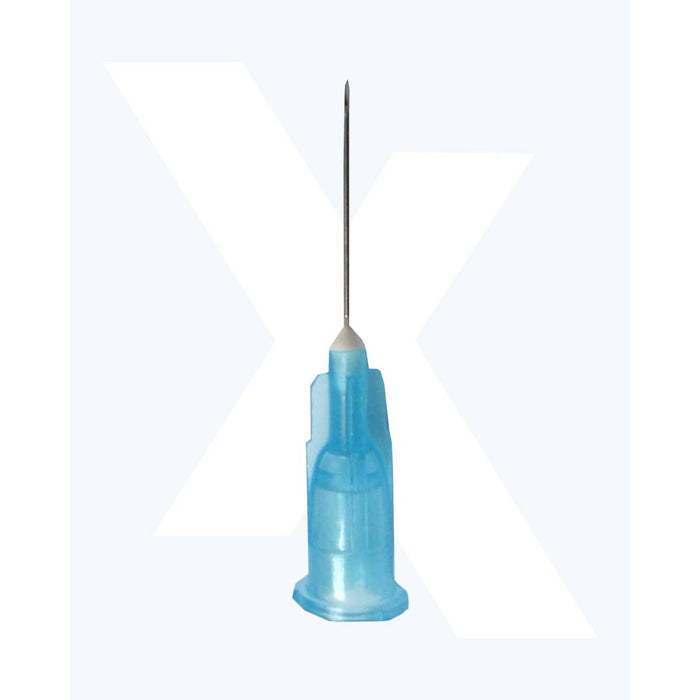
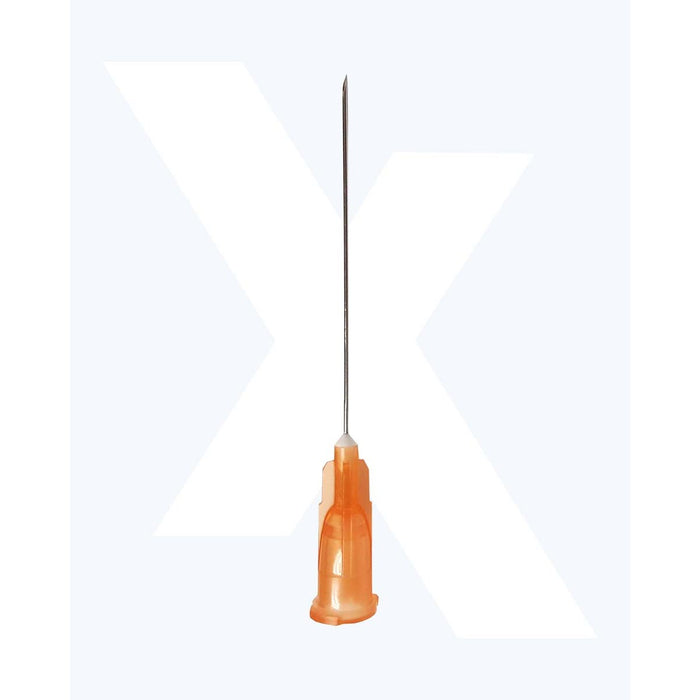
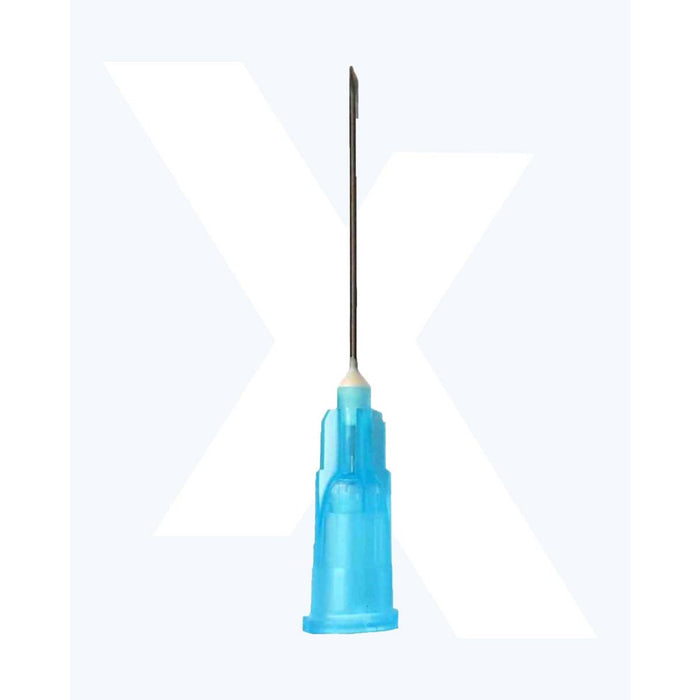
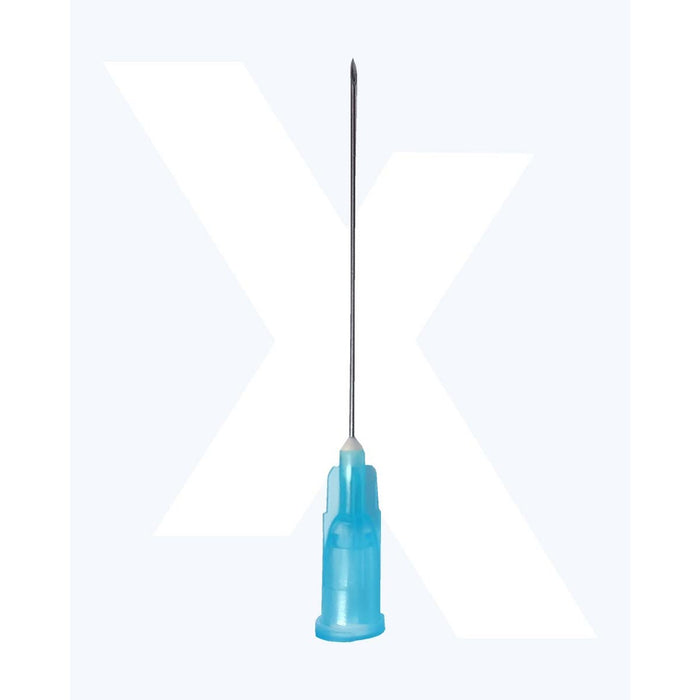
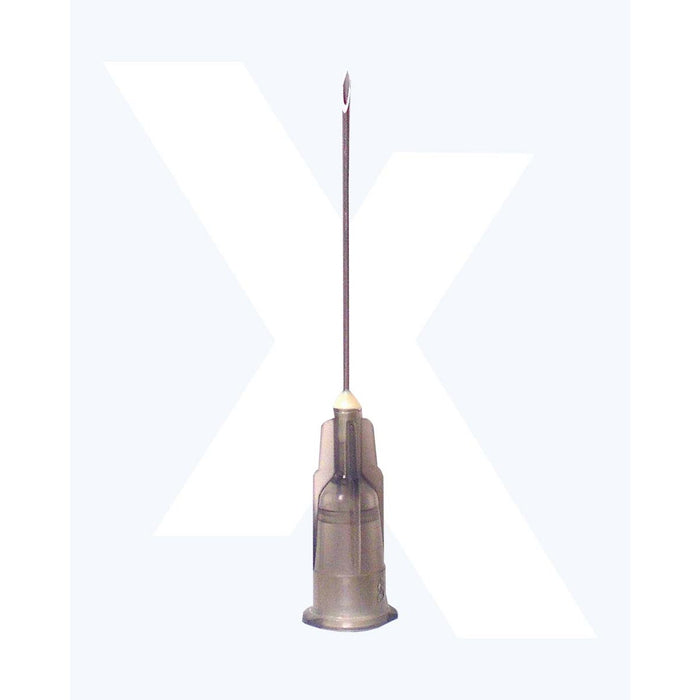
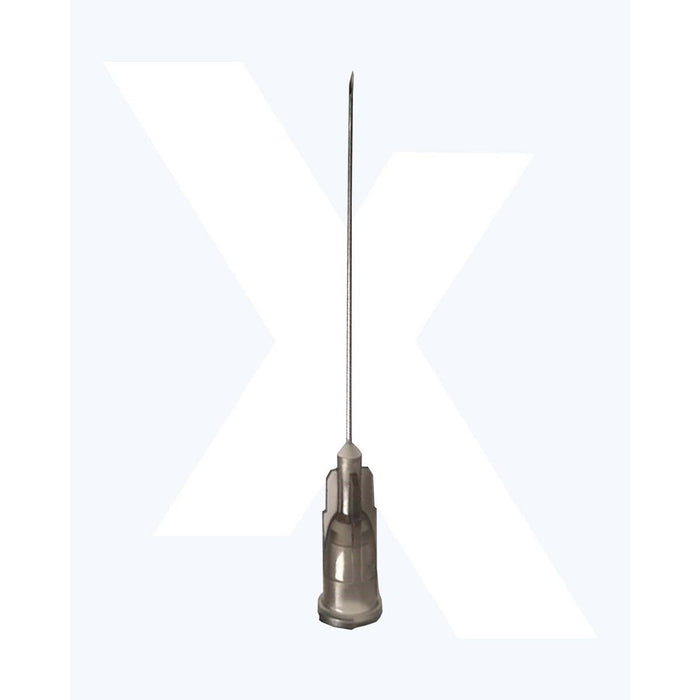
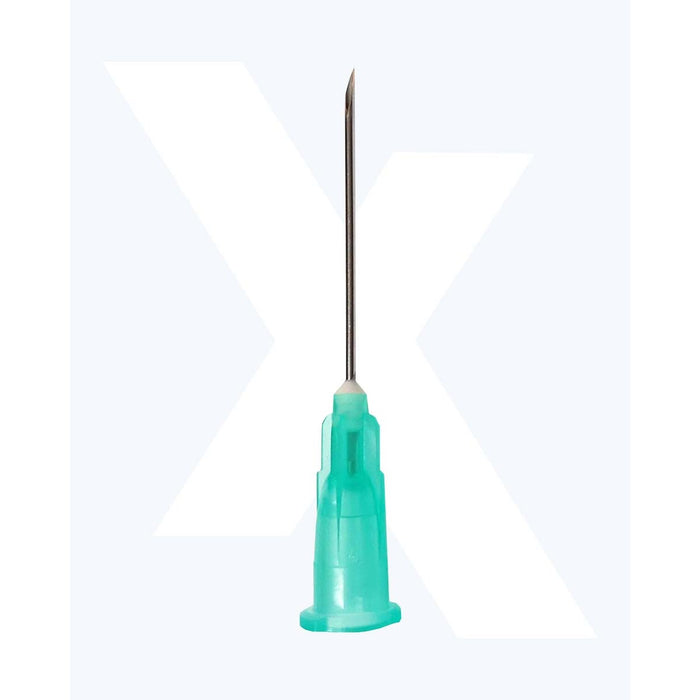
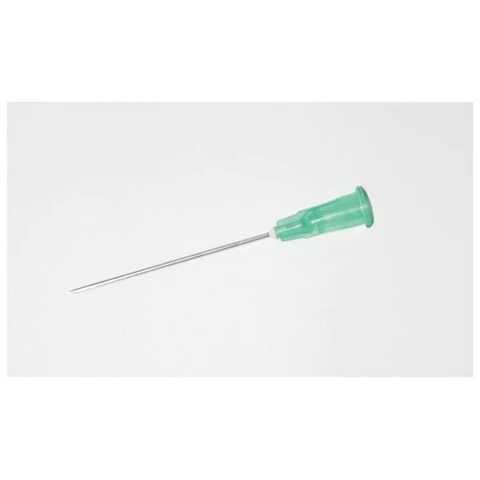
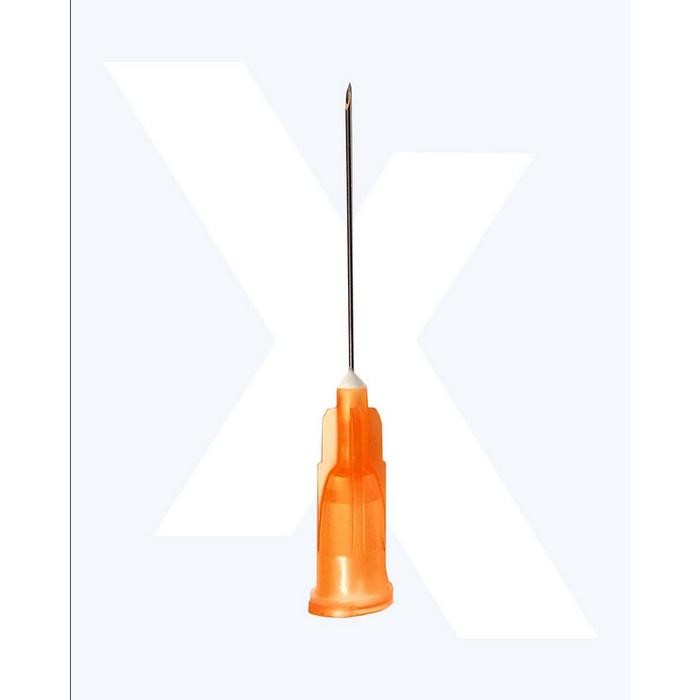
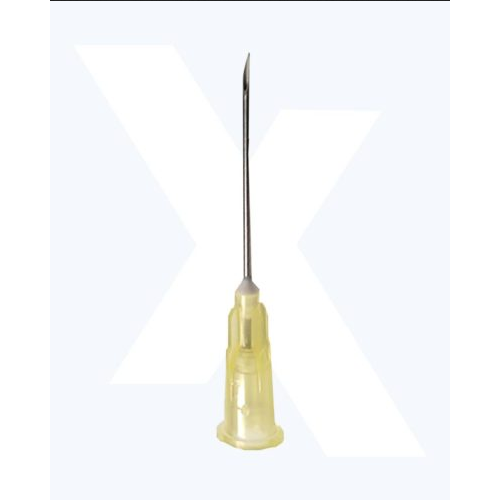
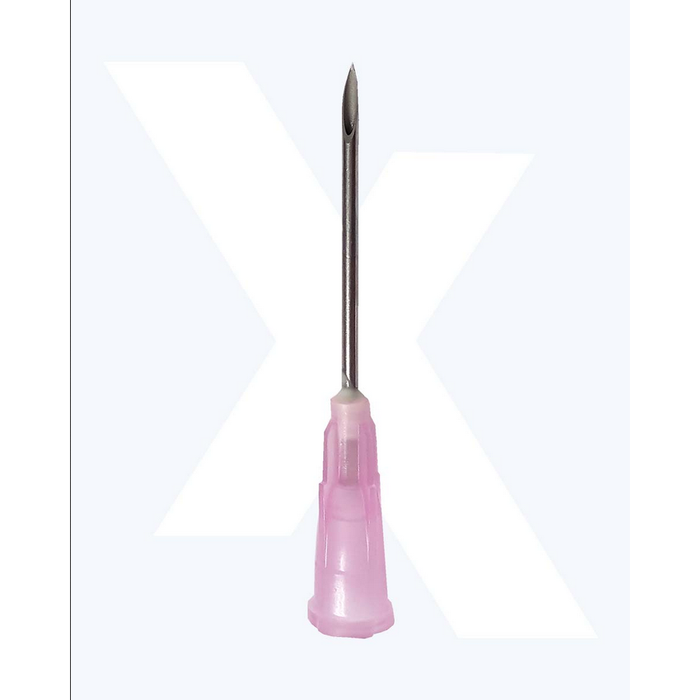
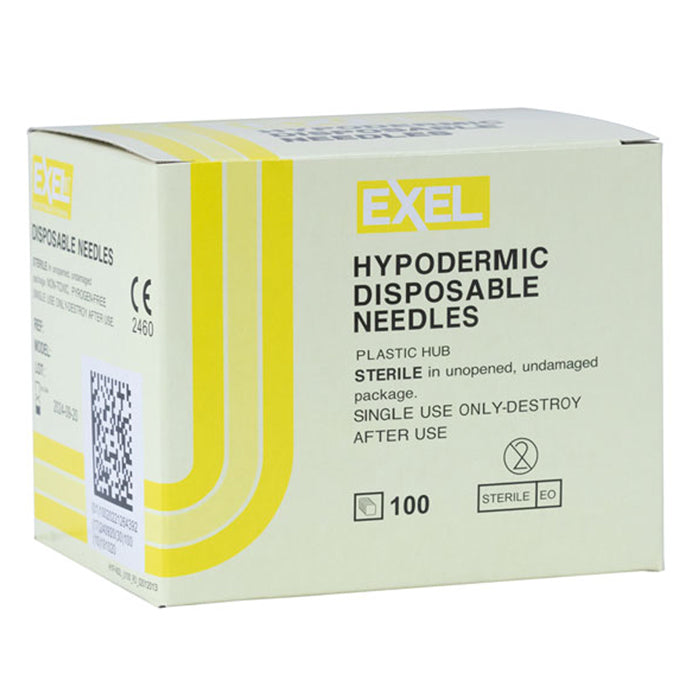
Exel Hypodermic Needles, Sterile, Single-Use 100/box

Year End Sale 32%
Original price $ 12.95
Current price $ 8.75
SKU Exel26419

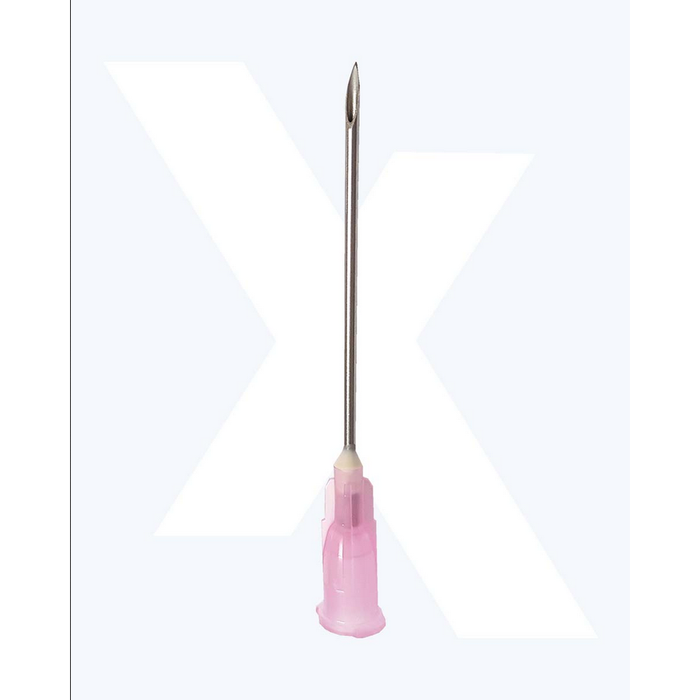
Hypodermic needles are used for injecting fluids into or withdrawing fluids from the body. This can include administering medication, vaccinations, or drawing blood for medical tests. They are also used for injecting or extracting fluids from laboratory animals, plants, or other materials in scientific experiments. Additionally, hypodermic needles are commonly used in acupuncture and other alternative medicine practices. 

Hypodermic needles are used to inject substances under the skin or into a body cavity. They are made of a sharp, hollow tube of steel, aluminum, or plastic, with a sharp point on one end and a small opening at the other end. When the point is inserted into the skin, the opening is placed over the vein, and the substance is injected by pushing down on the plunger.

Benefits of Exel Hypodermic Needles

  • High visibilty cannula for maximum patient comfort during use.
  • Seamless persistence of performance to ensure a safe and consistent injection process.
  • Effectively prevent metabolic abnormalities and prevent cross contamination with infection control sheet included in the stylet.
  • Exceptionally low failure rate due to their precision manufacture.
  • Individually blister packaged and gamma-irradiated to ensure absolute sterility.
  • Ultra sharp hollow needle which reduces trauma to skin tissue, allowing a smoother injection experience.
  • Smaller internal diameter maximising needle head and suture strength reducing the possibility of needle breakage.
  • Fearless piercing Property, tirpods needles facilitate a consistently smooth elective canvas.
  • Flawless Sterilization of large batches of needles, resulting in safe reuse for aesthetics purposes and hackless necessities.
  • One Time Use: Single-use insulation reduces patient contact with infections which maximizes safety.

Features:

  • Sterile, Non-Toxic, Non-Pyrogenic
  • 304 Stainless Steel
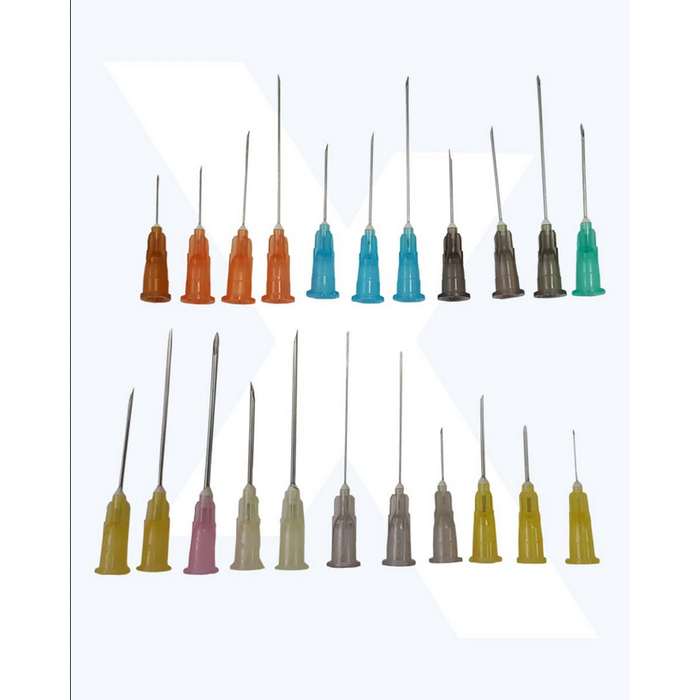
  • Needles and boxes are color-coded for easy identification
  • Each needle is individually packaged, sterilized and ready for use
  • This product does not contain Natural Rubber Latex

What Are Hypodermic Needles?

A hypodermic needle (from Greek ὑπο- (under-) and δέρμα (skin)), also called a syringe, is a medical instrument used to inject substances into or withdraw fluids from the body. It is a slender, hollow tube with a sharp at one end and a blunt at the other. A hypodermic needle is inserted into the body part to be treated, most often a vein in the arm, and a plunger is pushed forward to inject the substance or to withdraw blood.

Hypodermic Needles are a useful and largely popular tool used in a variety of medical procedures. A Hypodermic Needle is a thin, hollow tube with a sharp point at one end that is used to inject substances into the body or withdraw fluids. Hypodermic Needles are commonly used to inject medication, such as antibiotics and vaccinations, into the body. Hypodermic Needles are also used to extract fluids, such as blood for testing or IV fluid for hydration. Hypodermic Needles are used in a variety of medical procedures, from simple injections to more complex operations. Hypodermic Needles are extremely precise instruments that enable medical professionals to carry out the precise delivery and extraction of fluids or medications necessary for the successful management of a medical condition.

Exel Hypodermic Needles, Sterile, Single-Use 100/box
$ 12.95 $ 8.75
FAQs for Hypodermic Needles and Syringes
  • What is a Hypodermic Needle Used For?

    A hypodermic needle is a thin, hollow, medical-grade needle designed for precise access to the body’s tissues, most commonly for: Injecting medications, vaccines, or anesthesia (subcutaneous, intramuscular, and intravenous injections) Drawing blood for diagnostic tests Aspirating fluids from the body

  • What is the Difference Between a Hypodermic Needle and a Regular Needle?

    Hypodermic needles are uniquely engineered for skin penetration and injection or withdrawal of fluids, with sharp, beveled tips and medical-grade stainless steel. "Regular" sewing or tattoo needles are not suitable for medical injections or sample collection.

  • What is Called Hypodermic?

    The word "hypodermic" comes from the Greek “hypo” (under) and “derma” (skin). It refers to anything administered or inserted beneath the skin—especially injections delivered through the skin using a needle.

  • Is an Insulin Needle a Hypodermic Needle?

    Yes. An insulin needle is a specific type of hypodermic needle—typically shorter and finer for subcutaneous insulin injections, providing minimal pain and optimal absorption for diabetic patients.

  • Why Do They Call it a Hypodermic Needle?

    It's called "hypodermic" because it is designed for delivering substances below the skin by piercing the epidermis and reaching subcutaneous tissues or veins.

  • Are Hypodermic Needles Legal?

    Yes, hypodermic needles are legal in most countries for medical, laboratory, and approved personal uses. Local regulations may require a prescription or restrict sales to prevent misuse.

  • Do All Needles Work With All Syringes?

    Most hypodermic needles are Luer lock or slip-tip compatible, making them fit with a wide range of standard medical syringes. Always check for compatibility before use.

  • What are the Three Types of Hypodermic Injections?

    Subcutaneous Injection (SC): Just under the skin (e.g., insulin, vaccines) Intramuscular Injection (IM): Into a muscle (e.g., antibiotics, vaccines) Intravenous Injection (IV): Directly into a vein (e.g., medications, fluids)

  • What is the Most Common Hypodermic Needle?

    The 23G to 25G (gauge), 1-inch needle is the most common size for general injections. Needle size varies based on patient age, medication, and injection type.

  • Is a Tattoo Needle a Hypodermic Needle?

    No, tattoo needles are not the same as hypodermic needles. Tattoo needles are designed for pigment injection into the skin but are not suitable or sterile for medical use.

  • What is the Sharpest Type of Needle?

    18G to 27G hypodermic needles with a tri-beveled, ultra-sharp stainless steel tip are among the sharpest needles, designed for smooth, pain-minimized penetration.

  • Does a Hypodermic Needle Hurt?

    Today’s hypodermic needles are ultra-sharp and finely manufactured for comfort—many patients report minimal discomfort. Pain varies by gauge, length, and injection site.

  • What Country Invented the Hypodermic Needle?

    The modern hypodermic needle was invented in the United Kingdom in 1853 by Dr. Alexander Wood and independently by Charles Gabriel Pravaz in France.

  • Is a Hypodermic Needle The Same As a Syringe?

    No. The hypodermic needle is the sharpened metal part attached to a syringe. The syringe is the barrel and plunger used to draw and inject fluid.

  • Do I Need a Prescription to Buy Hypodermic Needles?

    Policies vary by region. In some U.S. states and countries, a prescription is needed. In others, hypodermic needles may be sold over-the-counter for medical use.

  • How Many Times Can a Hypodermic Needle Be Used?

    Hypodermic needles are single-use and must be discarded after one use to prevent infection, blunting, and cross-contamination. Never reuse medical needles.

  • Are Pen Needles Hypodermic Needles?

    Yes, pen needles (such as those for insulin pens) are a specialized form of hypodermic needle, designed for use with injection pens for diabetes and other conditions.

  • Why Choose Our Hypodermic Needles?

    Ultra-sharp, tri-beveled tips for pain-free injection Sterile, individually wrapped—ensuring highest safety standards Multiple gauges and lengths (18G–31G) for every application Luer lock & slip-tip compatibility with all major syringes Trusted by hospitals, clinics, laboratories, research, and home-care

Search Any Type of Product, Medication, or Alignment