Filters
- Antibodies (1)
- antibody replacement therapy (1)
- Autoimmune Disorders (1)
- doctor-only (1)
- FDA-approved IgG (1)
- GamaSTAN (1)
- Hepatitis A (1)
- hepatitis A prophylaxis (1)
- Human Antibodies (1)
- Human immune Globulin (1)
- Immune Globulin (1)
- Immune Globulins Intravenous (1)
- immunoglobulin therapy (1)
- injection immunoglobulin (1)
- IVIG (1)
- Measles (1)
- measles post-exposure (1)
- plasma-derived antibody (1)
- post-exposure prophylaxis (1)
- Rubella (1)
- rubella prophylaxi (1)
- travel medicine (1)
- Varicella (1)
- varicella immune globulin (1)
Intravenous Immune Globulin Injections for Immunoglobulin Therapy to IVIG
Intravenous Immune Globulin (IVIG) – Immunoglobulin Therapy Explained
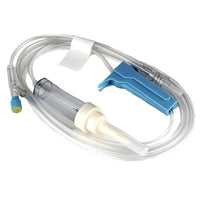
Intravenous Immune Globulin (IVIG) is a treatment where a purified solution of antibodies (immunoglobulins) is infused directly into a patient’s vein. In simpler terms, it’s an “antibody transfusion”. This therapy provides a person with a large pool of antibodies collected from the plasma of thousands of healthy donors. By delivering these antibodies intravenously, IVIG can boost or modulate the immune system, and it’s used to treat a variety of conditions. The term “immunoglobulin therapy” refers to this use of antibody preparations (like IVIG) as medications to help patients who either lack sufficient antibodies or have immune systems that need regulation.
What Exactly Is in IVIG?
IVIG is made from human plasma, the liquid part of blood. Plasma from many donors is pooled and processed to extract Immunoglobulin G (IgG), which is the main type of antibody in our blood. IgG is important for fighting infections – it recognizes bacteria, viruses, and other invaders and helps neutralize them or mark them for destruction. Each IVIG dose contains a broad spectrum of IgG antibodies reflecting immunity present in the donor population. In fact, each batch of IVIG contains antibodies from thousands of donors (often 1,000 to 15,000 people or more), ensuring a wide variety of antibodies. The manufacturing process includes steps to remove or inactivate viruses and bacteria, making the product as safe as possible. The final IVIG solution is usually a 5-10% concentration of IgG in water (with some stabilizing proteins or sugars), and it looks like a clear or pale yellow fluid.
Because IVIG comes from human donors, it provides polyclonal antibodies – meaning many different antibodies against many antigens. It’s not a targeted, single-antibody treatment, but rather a collection of antibodies that together can cover a range of common infections. Some IVIG products contain trace amounts of IgA and IgM (other antibody types), but IgG is the primary component and the workhorse of the therapy.
IVIG is a form of immunoglobulin therapy where concentrated antibodies from donor plasma are given through a vein. It serves two main purposes: to replace antibodies in people who don’t have enough, and to regulate the immune system in people whose immune responses are causing harm. This therapy has become a cornerstone for treating immunodeficiencies, allowing patients to lead much healthier lives than they would without antibodies. It’s also an important weapon against certain autoimmune and inflammatory conditions, often achieving results when other treatments fail. When you hear “immunoglobulin therapy,” IVIG is the prototypical example – a versatile, antibody-based treatment delivering passive immunity or immune modulation via intravenous injection.
-
Sale
$ 225.00GamaSTAN Immune Globulin (Human) Treatment Single-Dose Vial * Refrigerated (RX)
Proven Passive Immunity for Hepatitis A, Measles, Rubella, and Varicella Exposure Trusted Protection, Fast Immunity—FDA-Approved Human Immune Globu...
View full details🔒 Medical License Required
Intravenous Immune Globulin (IVIG) – Immunoglobulin Therapy Explained
Intravenous Immune Globulin (IVIG) is a treatment where a purified solution of antibodies (immunoglobulins) is infused directly into a patient’s vein. In simpler terms, it’s an “antibody transfusion”. This therapy provides a person with a large pool of antibodies collected from the plasma of thousands of healthy donors. By delivering these antibodies intravenously, IVIG can boost or modulate the immune system, and it’s used to treat a variety of conditions. The term “immunoglobulin therapy” refers to this use of antibody preparations (like IVIG) as medications to help patients who either lack sufficient antibodies or have immune systems that need regulation.
What Exactly Is in IVIG?
IVIG is made from human plasma, the liquid part of blood. Plasma from many donors is pooled and processed to extract Immunoglobulin G (IgG), which is the main type of antibody in our blood. IgG is important for fighting infections – it recognizes bacteria, viruses, and other invaders and helps neutralize them or mark them for destruction. Each IVIG dose contains a broad spectrum of IgG antibodies reflecting immunity present in the donor population. In fact, each batch of IVIG contains antibodies from thousands of donors (often 1,000 to 15,000 people or more), ensuring a wide variety of antibodies. The manufacturing process includes steps to remove or inactivate viruses and bacteria, making the product as safe as possible. The final IVIG solution is usually a 5-10% concentration of IgG in water (with some stabilizing proteins or sugars), and it looks like a clear or pale yellow fluid.
Because IVIG comes from human donors, it provides polyclonal antibodies – meaning many different antibodies against many antigens. It’s not a targeted, single-antibody treatment, but rather a collection of antibodies that together can cover a range of common infections. Some IVIG products contain trace amounts of IgA and IgM (other antibody types), but IgG is the primary component and the workhorse of the therapy.
IVIG is a form of immunoglobulin therapy where concentrated antibodies from donor plasma are given through a vein. It serves two main purposes: to replace antibodies in people who don’t have enough, and to regulate the immune system in people whose immune responses are causing harm. This therapy has become a cornerstone for treating immunodeficiencies, allowing patients to lead much healthier lives than they would without antibodies. It’s also an important weapon against certain autoimmune and inflammatory conditions, often achieving results when other treatments fail. When you hear “immunoglobulin therapy,” IVIG is the prototypical example – a versatile, antibody-based treatment delivering passive immunity or immune modulation via intravenous injection.