Search Any Type of Product, Medication, or Alignment
Yes, in many states insulin syringes are available over the counter (OTC) at most major pharmacies without a prescription. Check your local laws, as regulations vary by state or region.
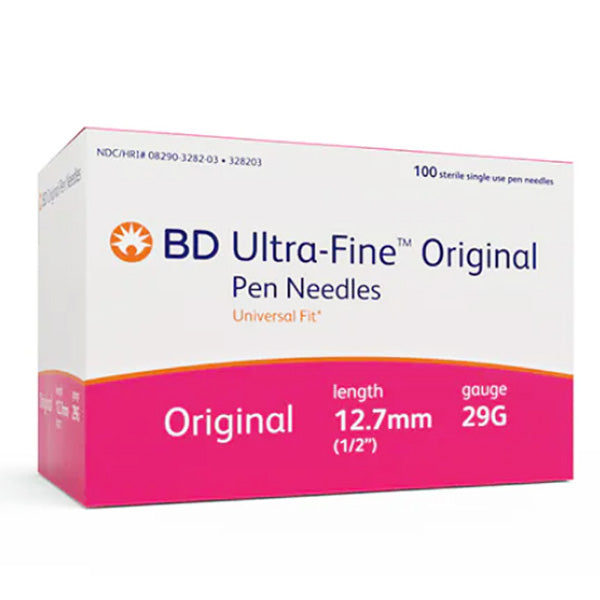
Insulin syringes come in several sizes: Gauge (needle thickness): 28G to 31G (thinner needles for less pain) Length: 6mm, 8mm, 12.7mm Barrel Capacity: 0.3ml (30 units), 0.5ml (50 units), 1ml (100 units) Consult your doctor or diabetes educator for the best size for your needs.
Some pharmacies and clinics may offer free syringes for diabetes patients through assistance programs. Check with your pharmacist, healthcare provider, or local health department.
It depends on individual needs. Some people need less than 20 units; others require more, based on their blood sugar, weight, diet, and activity level. Always follow your doctor’s prescription to avoid too much insulin or too little.
Ultra-thin, short needles (31G, 6mm) are often preferred for improved comfort and minimal pain, lowering the risk of intramuscular injection. Choose needles designed for subcutaneous insulin delivery.
The 3-hour rule means you should avoid taking another fast-acting insulin shot within 3 hours of a previous dose to prevent stacking and the risk of hypoglycemia.
Your insulin dosage for high blood sugar (like 300 mg/dL) depends on your correction factor (how much one unit lowers your blood sugar). Never adjust doses on your own—always consult your healthcare provider for personalized recommendations.
Common signs of insufficient insulin include: High blood sugar (hyperglycemia) Excessive thirst Frequent urination Fatigue Blurred vision Unexplained weight loss
Fasting (before meals): 80–130 mg/dL (per ADA guidelines) 1–2 hours after meals: <180 mg/dL Targets may vary based on age, health, and doctor advice.
Ozempic is injected with a prefilled pen using 4mm to 8mm, 32G to 31G pen needles for minimal pain and easy subcutaneous delivery.
Eating immediately after rapid-acting insulin can help prevent low blood sugar (hypoglycemia), especially when mealtime insulin is used. Follow your diabetes care plan and timing as advised by your provider.
Before meals and at bedtime for most users As recommended by your doctor, or before/after exercise, when sick, or when adjusting medications
Focus on low-carb, high-fiber foods, lean proteins, and plenty of hydration. Avoid sugary foods and drinks.
Yes! Regular physical activity is one of the most effective, natural ways to lower blood sugar and improve insulin sensitivity. Always monitor your child's or your own blood glucose levels pre-and post-exercise.