
Skip to content
Year-End Sale is Live Now - Up to 50% off
New users? Get 5% off on your first purchase.
Free US shipping over $100
Year-End Sale is Live Now - Up to 50% off
New users? Get 5% off on your first purchase.
Free US shipping over $100

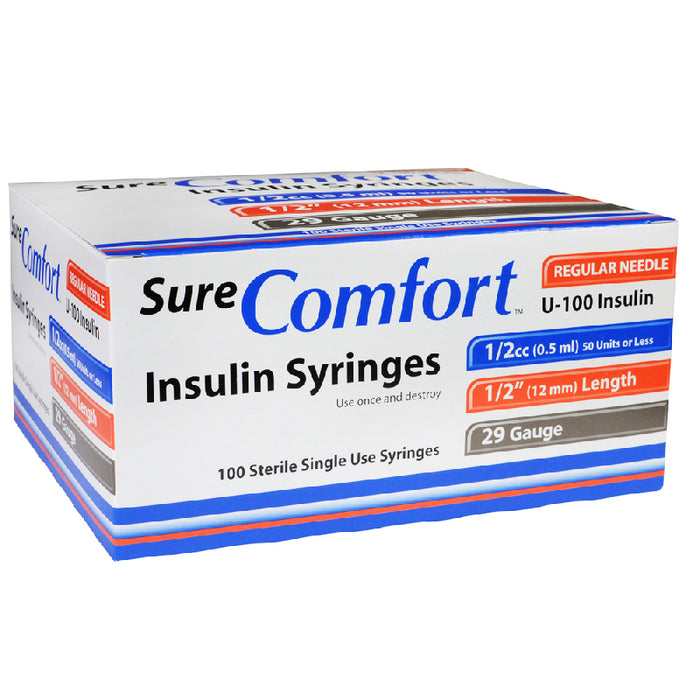
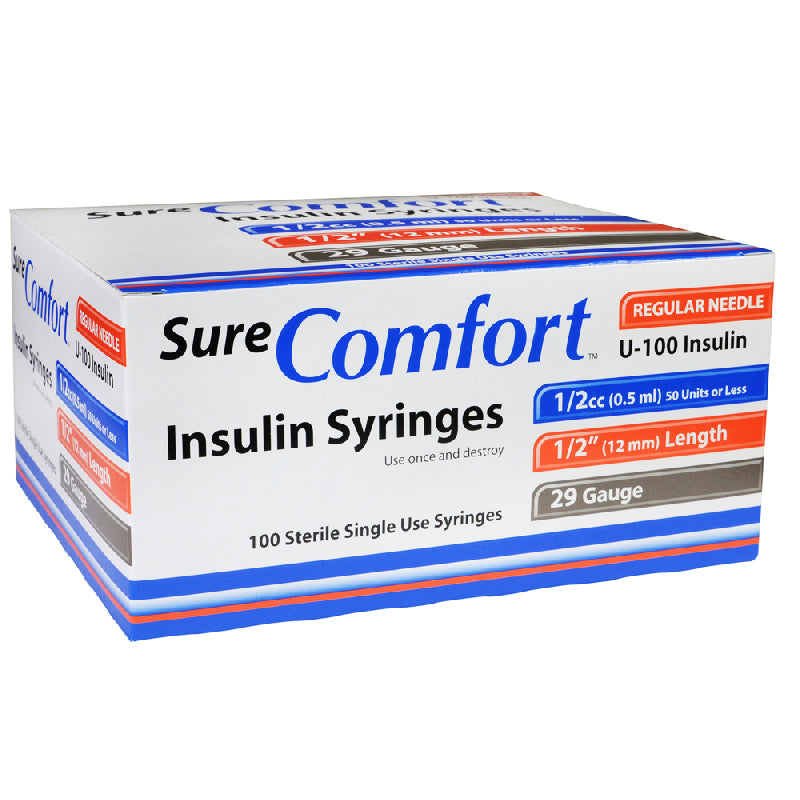
Sure Comfort Insulin Syringes 29 gauge x 1/2" 0.5 mL (100/Count)

Year End Sale 24%
Original price $ 29.95
Current price $ 22.75
SKU 86227-0900-55

Sure Comfort Insulin Syringes 29 gauge x 1/2" 0.5 mL are designed for the precise and comfortable administration of insulin to individuals with diabetes. These syringes are typically used for subcutaneous injections, ensuring accurate dosing. The thin 29-gauge needle minimizes discomfort, while the clear, easy-to-read barrel allows for precise measurement. Crafted to reduce pain and ensure smooth injections, these syringes support effective diabetes management and improve patient adherence to insulin therapy.

Allison Medical 22-9005 Sure Comfort Insulin Syringes 29 gauge x 1/2" 0.5 mL.

Allison Medical 22-9005 Sure Comfort Insulin Syringes are medical devices designed for administering insulin injections to diabetic patients. They have a gauge size of 29 G (very thin), and a 1/2 inch needle length suitable for subcutaneous injections. Each syringe has a capacity of 0.5 mL and is designed for single-use only. They feature a tri-bevel needle tip for a comfortable and smooth injection experience. These syringes are sterile and come with a removable needle cap for safety. They are compatible with all standard insulin pens and have easy-to-read markings for accurate dosage administration.

Allison Medical 22-9005 Sure Comfort Insulin Syringes are designed for use by diabetic patients to self-administer insulin injections. This syringe features a 29 gauge needle size with a length of 1/2 inch and a 0.5 mL capacity.
To use the syringe, first make sure you have the correct insulin dosage prescribed by your doctor. Remove the cap from the needle and hold the syringe with the needle pointing upwards. Pull back the plunger to the prescribed dosage, making sure to remove any air bubbles by gently tapping the syringe.
Next, clean the injection site with an alcohol swab and pinch the skin to create a small fold. Insert the needle into the skin at a 90-degree angle and slowly push the plunger down to inject the insulin. Once the dose has been delivered, count to 10 before removing the needle to make sure all the insulin has been delivered.
After use, safely dispose of the syringe according to your healthcare provider's instructions. Do not reuse the syringe as it could lead to infection or inaccurate dose delivery.
It is important to regularly rotate injection sites to avoid damaging the skin tissue and to make sure the insulin is absorbed properly. Always consult with your healthcare provider about proper injection techniques and any concerns you may have about self-administering insulin injections.

Sure Comfort Insulin Syringes 29 gauge x 1/2" 0.5 mL (100/Count)
$ 29.95 $ 22.75
FAQs for Insulin Syringes
  • Can You Get Insulin Syringes Over the Counter?

    Yes, in many states insulin syringes are available over the counter (OTC) at most major pharmacies without a prescription. Check your local laws, as regulations vary by state or region.

  • What Size Syringes Do You Use for Insulin?

    Insulin syringes come in several sizes: Gauge (needle thickness): 28G to 31G (thinner needles for less pain) Length: 6mm, 8mm, 12.7mm Barrel Capacity: 0.3ml (30 units), 0.5ml (50 units), 1ml (100 units) Consult your doctor or diabetes educator for the best size for your needs.

  • Are Syringes Free at Pharmacies?

    Some pharmacies and clinics may offer free syringes for diabetes patients through assistance programs. Check with your pharmacist, healthcare provider, or local health department.

  • Is 20 Units of Insulin a Lot?

    It depends on individual needs. Some people need less than 20 units; others require more, based on their blood sugar, weight, diet, and activity level. Always follow your doctor’s prescription to avoid too much insulin or too little.

  • What Is the Best Needle for Diabetics?

    Ultra-thin, short needles (31G, 6mm) are often preferred for improved comfort and minimal pain, lowering the risk of intramuscular injection. Choose needles designed for subcutaneous insulin delivery.

  • What Is the 3-Hour Rule for Insulin?

    The 3-hour rule means you should avoid taking another fast-acting insulin shot within 3 hours of a previous dose to prevent stacking and the risk of hypoglycemia.

  • How Much Insulin Do I Need if My Sugar Is 300?

    Your insulin dosage for high blood sugar (like 300 mg/dL) depends on your correction factor (how much one unit lowers your blood sugar). Never adjust doses on your own—always consult your healthcare provider for personalized recommendations.

  • What Are Signs of Not Enough Insulin?

    Common signs of insufficient insulin include: High blood sugar (hyperglycemia) Excessive thirst Frequent urination Fatigue Blurred vision Unexplained weight loss

  • What Should Your Blood Sugar Be?

    Fasting (before meals): 80–130 mg/dL (per ADA guidelines) 1–2 hours after meals: <180 mg/dL Targets may vary based on age, health, and doctor advice.

  • What Needle Does Ozempic Use?

    Ozempic is injected with a prefilled pen using 4mm to 8mm, 32G to 31G pen needles for minimal pain and easy subcutaneous delivery.

  • What Happens If I Eat Immediately After Taking Insulin?

    Eating immediately after rapid-acting insulin can help prevent low blood sugar (hypoglycemia), especially when mealtime insulin is used. Follow your diabetes care plan and timing as advised by your provider.

  • What Is the Best Time to Check Blood Sugar?

    Before meals and at bedtime for most users As recommended by your doctor, or before/after exercise, when sick, or when adjusting medications

  • What Should I Eat if My Blood Sugar Is High?

    Focus on low-carb, high-fiber foods, lean proteins, and plenty of hydration. Avoid sugary foods and drinks.

  • Can Exercise Lower Blood Sugar Levels?

    Yes! Regular physical activity is one of the most effective, natural ways to lower blood sugar and improve insulin sensitivity. Always monitor your child's or your own blood glucose levels pre-and post-exercise.

Search Any Type of Product, Medication, or Alignment